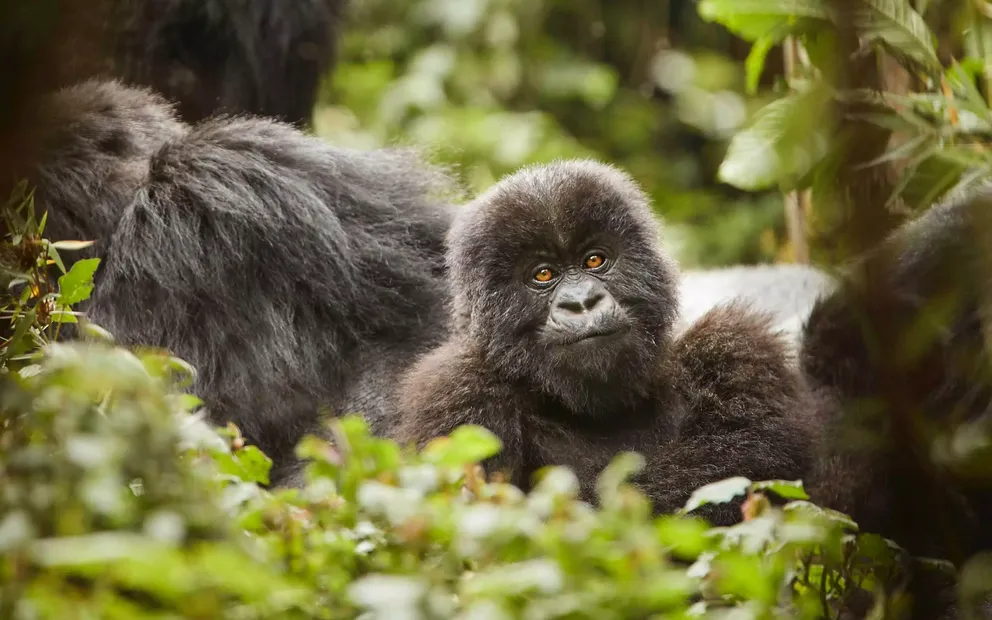
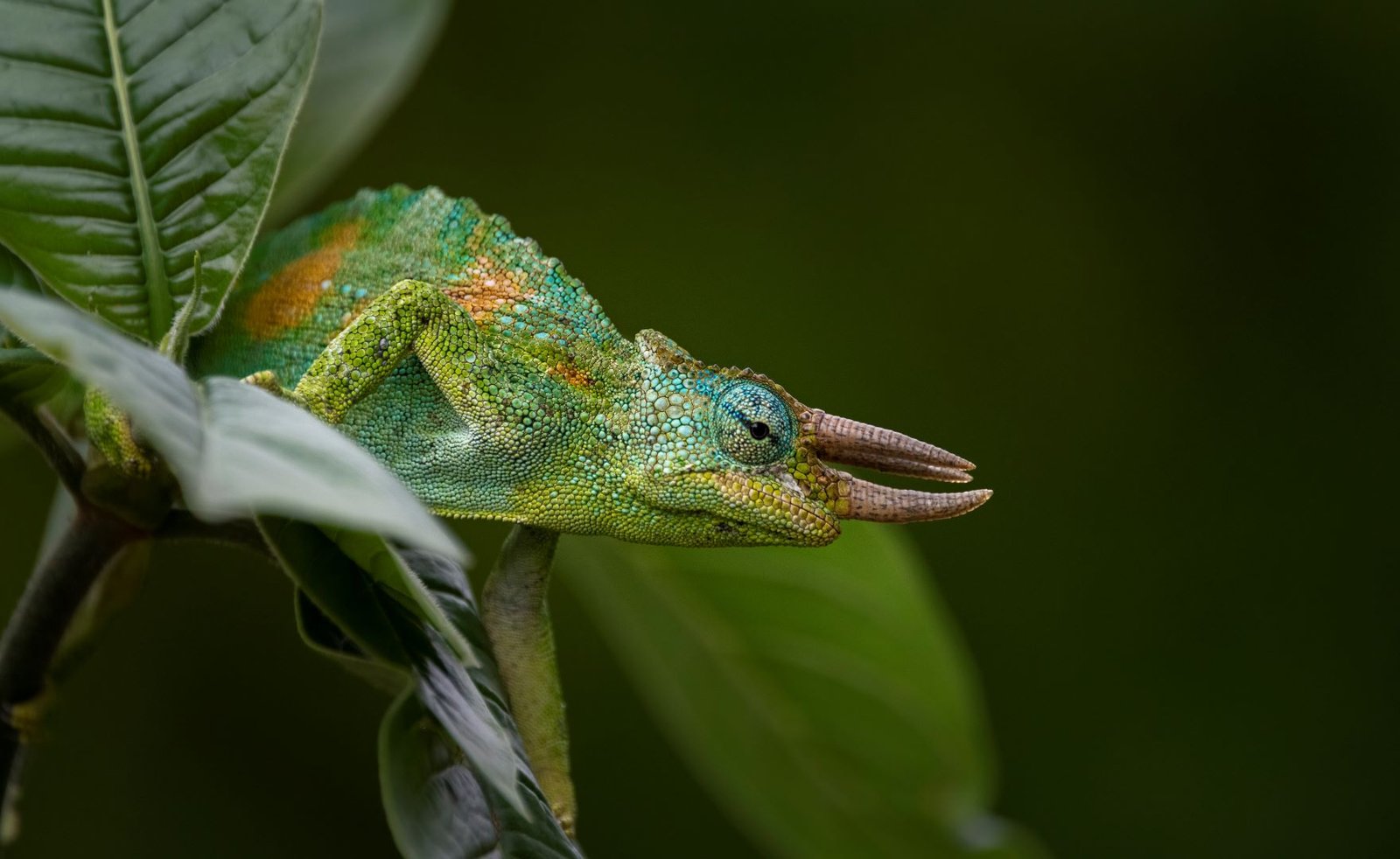

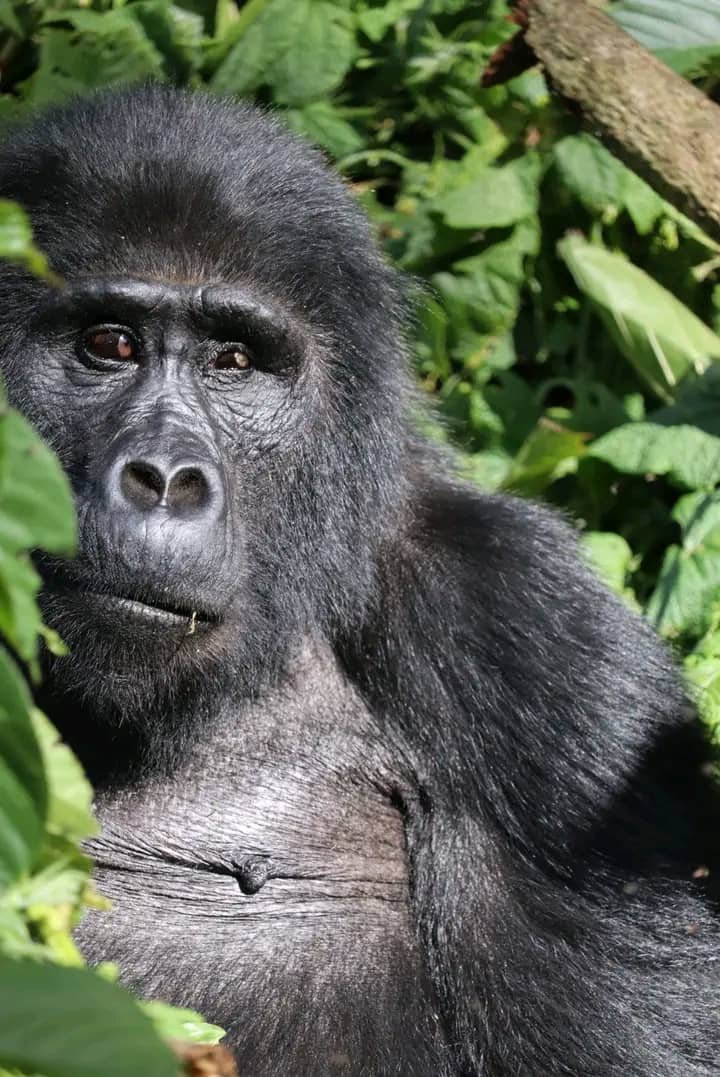
If you are wondering what to pack for gorilla trekking in Bwindi, start with the realities of the forest rather than the romance of the brochure. This is rainforest hiking in steep mountain terrain. Expect equatorial weather, cold morning mist, clay mud that clings to boots, slippery roots on narrow descents, and enough altitude hiking to make even fit travellers breathe a little harder than expected. The right gorilla trekking packing list is not about looking technical. It is about staying dry, steady, and comfortable enough to enjoy the experience.
The items most people forget are usually the ones they need most: gloves for grabbing wet vegetation, extra socks for muddy jungle trails, a proper rain jacket, ziplock bags for electronics, and spare batteries for cameras or phones in low-light forest conditions. Whether you are heading to Nkuringo, Rushaga, Ruhija, or Buhoma, smart East Africa safari layering and practical footwear matter far more than packing more stuff.
The Core Gear: What to Wear for Gorilla Trekking
At Orugano Bwindi Lodge, we talk a lot about Natural Simplicity: taking what is useful, leaving what is not, and focusing on gear that genuinely improves the day. That approach works particularly well in Bwindi, where overpacking is inconvenient and underpacking is memorable for all the wrong reasons.
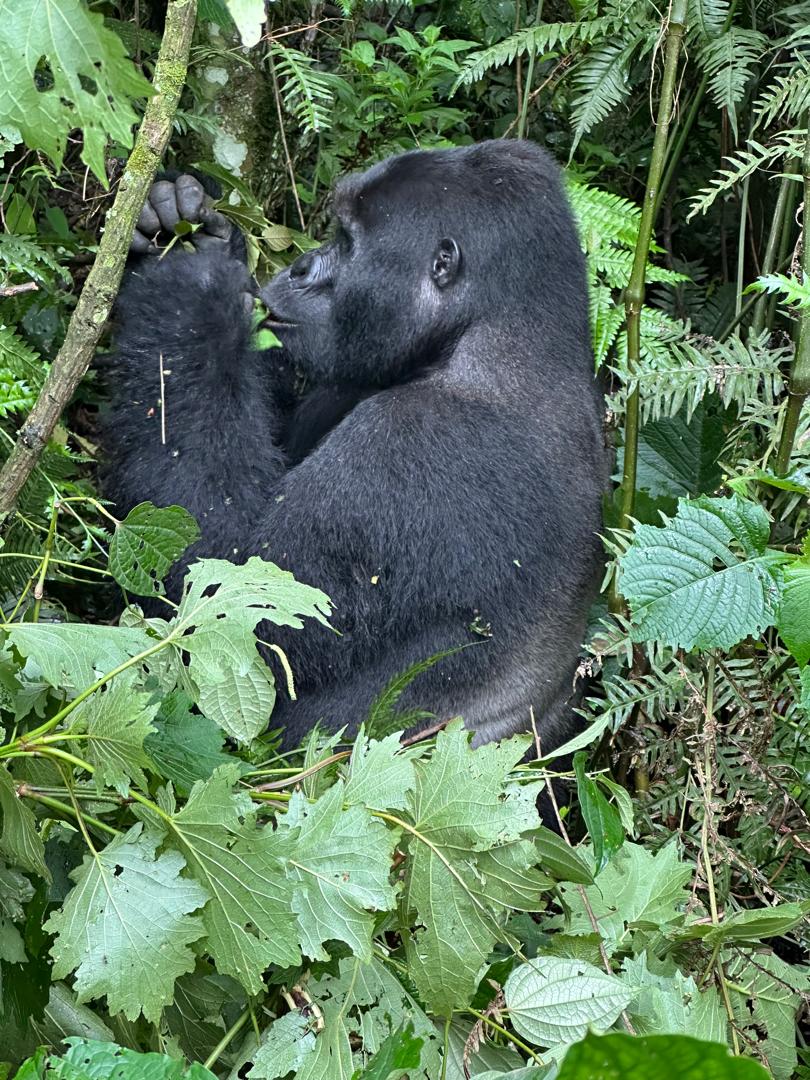
The Core Gear: What to Wear for Gorilla Trekking
The “Impenetrable” forest is not exactly full of thorns and stinging nettles everywhere you step, but you may well encounter them along the way, along with fiery ants in some sections. Your clothing is your primary shield, so dressing appropriately really matters. Here is what to wear for gorilla trekking to stay protected and comfortable.
1. Long-Sleeved Moisture-Wicking Shirts
Forget cotton. It stays wet and makes you cold. Opt for synthetic or merino wool shirts that breathe. Long sleeves are non-negotiable; they protect your arms from scratches as you push through the dense undergrowth.
2. Tough Trekking Trousers
Lightweight trekking trousers are usually the best choice because they dry faster and move better on steep trails. Jeans are actually fine if that is what you already own and they fit comfortably, but they are heavier once wet and slower to dry. Shorts, on the other hand, are not a good idea in Bwindi. Too much exposure to scratches, stinging plants, mud, and insects for very little benefit.
3. Sturdy Gardening Gloves
This is one of the most forgotten items on any gorilla trekking packing list. You will often grab branches, vines, or exposed roots for balance. A simple pair of gloves protects your hands from thorns, rough bark, and wet vegetation.
4. Long Socks or Gaiters
For muddy jungle trails, this matters more than many first-time trekkers expect. Long socks help if you tuck in your trousers, while gaiters do a better job of stopping mud, seeds, and debris from entering your boots. If you do not own gaiters, they can often be rented locally.
Wet Season vs Dry Season Gorilla Trekking Gear
Bwindi does not follow a neat, predictable weather script. It is a rainforest, so conditions can shift quickly. Still, your packing should reflect the season.
Wet Season (March–May & October–November)
This is when waterproofing becomes essential, not optional. Forest trails can turn into slick clay channels, and steep sections feel steeper once the mud starts moving underfoot.
Prioritise:
- Waterproof hiking boots with aggressive grip
- Extra socks, because one wet pair is enough to ruin the mood
- A proper rain jacket, not just a poncho
- Dry bags or ziplock bags for phones, cameras, and documents
- Gloves for pulling through wet plants and steadying yourself on muddy slopes
- Gaiters to reduce mud inside boots
A poncho can still be useful over your backpack, but it should not replace a proper rain jacket. In thick vegetation, ponchos snag easily and can feel awkward on steep climbs. Also, do not carry your passport into the forest unless specifically necessary. Leave it safely at the lodge and carry a copy if needed.
Dry Season (June–September & December–February)
Dry season usually means firmer trails, but not always easy trails. Some paths still stay muddy, especially in shaded forest sections. The bigger issues tend to be dust on access roads, stronger sun exposure in open areas, and dehydration.
Prioritise:
- Lighter layers that you can remove once the morning mist lifts
- Sun protection, including sunscreen and a hat
- Dust protection for road transfers and dry trail sections
- Plenty of drinking water, especially for longer treks
- Breathable clothing suited to East Africa safari layering
At Orugano Bwindi Lodge, we provide drinking water for the trek and can arrange packed meals as well, which helps keep your day simple and practical.
Footwear: Your Foundation
If there is one item worth getting right before you arrive for our Bwindi National Park activities, it is your footwear. The terrain here is shaped by steep slopes, slick roots, loose leaf litter, and heavy clay mud. Good grip matters. Ankle stability matters. And if you are trekking in Nkuringo or Rushaga, where climbs and descents can be demanding, footwear matters even more.
Footwear: Your Foundation
| Footwear Type | Pros | Cons | Recommended? |
|---|---|---|---|
| Waterproof hiking boots | Best grip, ankle support, best for wet and steep trails | Heavier, warmer, more expensive | Recommended |
| Trail runners | Light, comfortable, quick-drying | Poor in deep mud, less ankle support | Dry season only |
| Gumboots | Cheap, waterproof, widely available | Less ankle support, can be slippery on some descents | Acceptable |
| Sneakers | Comfortable, easy to pack | Weak grip unless they have proper treads | Not recommended |
At Orugano Bwindi Lodge, we understand that even good boots can get soaked after a proper Bwindi downpour. That is why our rooms are equipped with powerful hair dryers, which many guests quietly repurpose for drying boots and damp gear after trekking or after walks such as the Ivy River Trail.

Electronics and Photography
You are going to want photos, but Bwindi is not an easy environment for electronics. The forest canopy is dark, humidity is high, and condensation can appear the moment cold gear meets warmer air.
Camera Tips for Rainforest Conditions
For dedicated cameras, low-light performance matters more than extreme zoom. Gorilla trekking usually brings you close enough that a giant lens is more burden than advantage.
A practical setup includes:
- A camera with good high-ISO performance
- A fast aperture lens in the f/2.8 to f/4 range
- A zoom such as 24–70mm or 70–200mm, depending on your style
- A lens cloth for moisture and fingerprints
- Spare batteries stored in a dry pouch
In the rainforest, you may need to work around:
- Higher ISO settings, often ISO 1600 to 6400, depending on canopy cover
- Humidity and lens fogging
- Fast shifts between cool morning mist and warmer daylight
To reduce condensation, avoid exposing cold camera gear too quickly when stepping out from a chilled room. Keep the camera in its bag for a few minutes so it adjusts gradually. It sounds fussy, but it helps.
Smartphone Photography Tips
Phones can still do a very good job, especially because you are generally required to keep about 7 metres from the gorillas. That distance is close enough for meaningful images, but not always close enough for phones with weak zoom.
Helpful smartphone tips:
- Clean the lens before you enter the forest
- Turn flash off
- Prepare for low-light shooting
- Use optical or moderate zoom carefully, especially when photographing gorillas on slopes below you
- Keep the phone in a waterproof pouch or ziplock bag between sightings
Protecting Gear
Even a “waterproof” backpack can leak in a serious downpour. Put cameras, phones, passports copies, and batteries in dry bags or ziplock bags inside your daypack.
2026 Tech & Connectivity Essentials
A modern gorilla trekking packing list is not just about boots and rain jackets. A few practical tech items make the day smoother.
- Power Bank: Bring a reliable power bank for long trekking days. Phones drain quickly when used for photos, video, navigation, and signal searching.
- Uganda eSIM or Local SIM: If you are driving from Kigali to Bwindi, mobile data is helpful for maps, communication, and coordination. An MTN or Airtel Uganda eSIM can be very useful for that roughly 4-hour journey.
- Free Wi-Fi at Orugano Bwindi Lodge: Once you are back at the lodge, things get easier. Orugano Bwindi Lodge offers free Wi-Fi in all rooms, so backing up images or sending a quick update home is simple.
Why You Should Hire a Porter
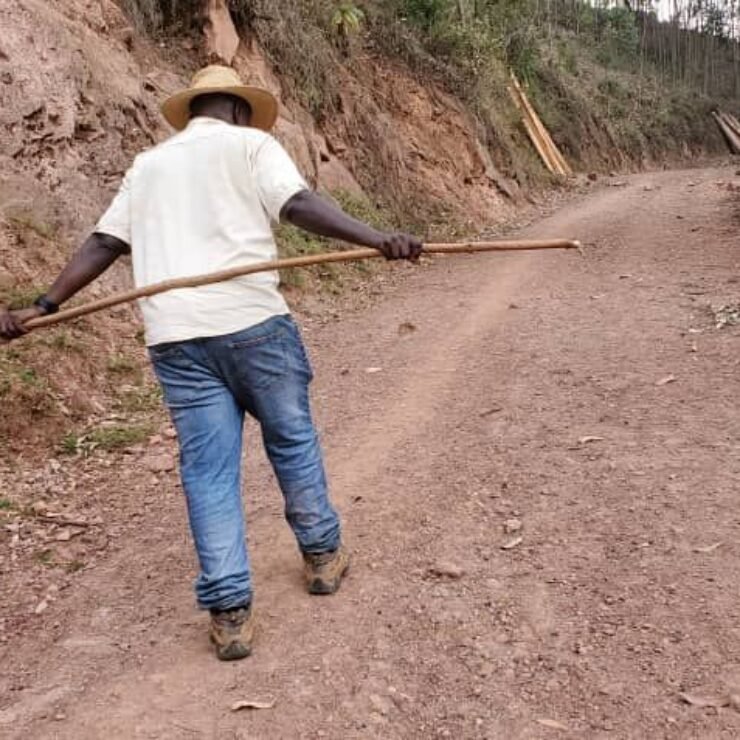
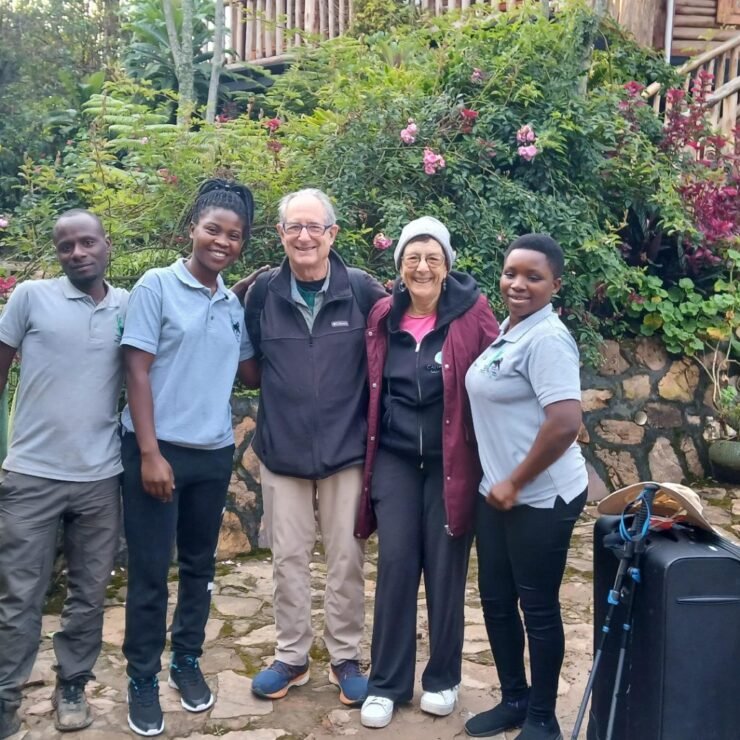
One of the best pieces of advice I can give any guest staying at Orugano Bwindi Lodge is to hire a porter. For about $20–$25 USD, a local porter will carry your daypack and, more importantly, provide a steady hand on the steep, slippery slopes.
Hiring a porter isn’t just about making your life easier, it’s a direct way to support the local economy. Many porters are former poachers or young people from the surrounding villages who now rely on tourism for their livelihood. It’s conservation in action.

Health and Hydration: Bwindi Essentials
Trekking can take anywhere from two to seven hours depending on where the gorilla family is located, the sector, and how the trackers position your group. That means hydration matters, especially in dry weather and on longer climbs where altitude hiking makes effort feel sharper.
- Water and Meals for the Trek: Bring at least 2–3 litres of water, plus a few simple energy snacks if you like. At Orugano Bwindi Lodge, we provide drinking water and can pack meals for the trek, helping guests stay fuelled without overthinking the logistics. Before you head out, a hot cup of Ugandan coffee or tea also helps on cold, misty mornings.
Luxury vs Budget Gorilla Trekking Gear
You do not need to spend a fortune to trek comfortably in Bwindi. But some upgrades are worth it if you already own them or trek often.
Budget Setup
A practical budget setup can work well with:
- Sports shoes or sturdy shoes with decent grip
- Rented gaiters
- A basic rain jacket
- The free trekking stick provided by the lodge or available through UWA
Premium Setup
If you prefer a more refined setup, or you already hike regularly, premium gear usually means:
- Hiking boots with strong treads and good ankle support
- Merino base layers for comfort in changing temperatures
- A mirrorless camera for better low-light images
- A professional waterproof shell
- Trekking poles for extra stability on descents
The point is not to make gorilla trekking look luxurious. It is to choose gear that lets you move confidently through mud, moisture, and steep forest.
7 Most Forgotten Gorilla Trekking Items
These are the things guests most often wish they had packed:
- Gloves for grabbing wet plants and roots
- Gaiters for mud and debris
- A face mask, though this is often provided at the lodge or by UWA when needed
- Extra socks for wet or muddy conditions
- A proper rain jacket
- Ziplock bags for phones, documents, and batteries
- Spare batteries, which you can recharge later at the lodge or in an Orugano vehicle during transfers
What NOT to Bring
Packing well also means leaving some things behind.
- Hard-shell suitcases for day-to-day trekking logistics; they are inconvenient in safari vehicles and unnecessary for the forest itself
- White clothing, which stains quickly and looks rough after one muddy section
- Drones, unless properly cleared in advance; they can raise security concerns and may be interpreted as restricted equipment, so request guidance through Orugano first
- Plastic ponchos as your main rain protection; they tear, snag, and are much less useful than a proper rain jacket
Permit Logistics: Keep It Simple
Yes, you need a gorilla permit, and yes, it should be booked early. But on trek day, the main practical point is straightforward: do not carry unnecessary original documents into the forest. In most cases, leave your passport safely at the lodge and carry only what is needed, such as a copy if requested during your travel arrangements.
As of 2026, a Uganda gorilla trekking permit costs $800 per person for foreign non-residents. For booking and coordination, you can use Uganda Gorilla Permits, contact us through Orugano Bwindi Lodge, or review official guidance from the Uganda Wildlife Authority.
Staying at Orugano Bwindi Lodge
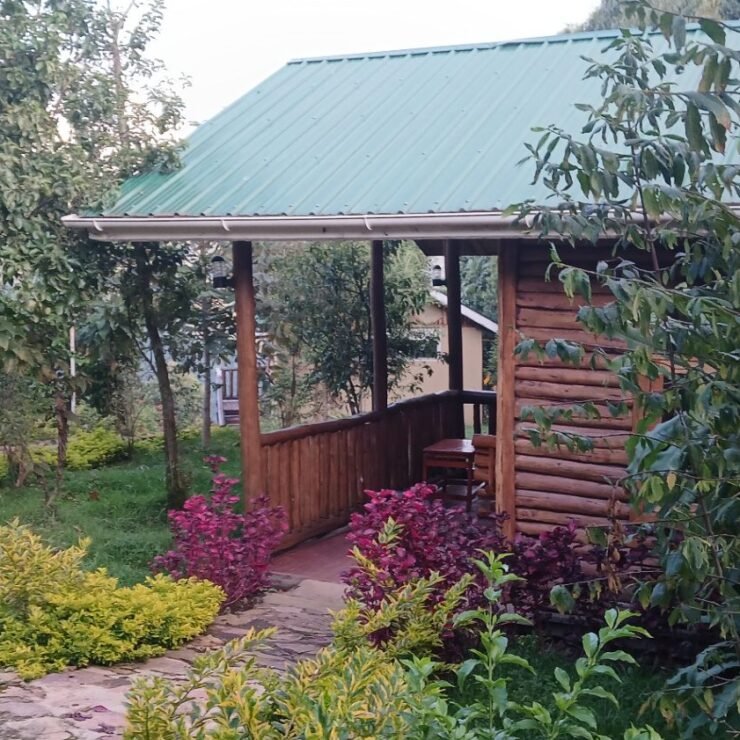
Our lodge is well positioned for the Nkuringo and Rushaga sectors of Bwindi, where steep terrain, cool mornings, and changing mountain weather are part of the experience. Nkuringo in particular can feel surprisingly cold at night and early morning, in a way many guests describe as more European than equatorial. A lightweight thermal base layer is genuinely useful here, especially before the day warms up around mid-morning.
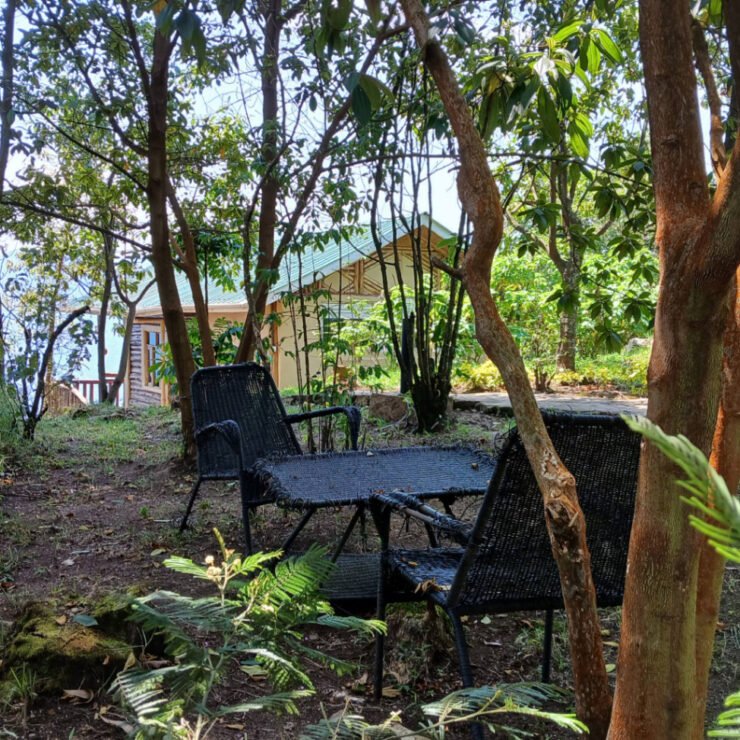
When you return from the forest, we want you to feel the Natural Simplicity of our space. Whether you’re relaxing on your private balcony overlooking the forest or enjoying a meal prepared with local ingredients, the idea is simple: practical comfort after a demanding day outdoors.
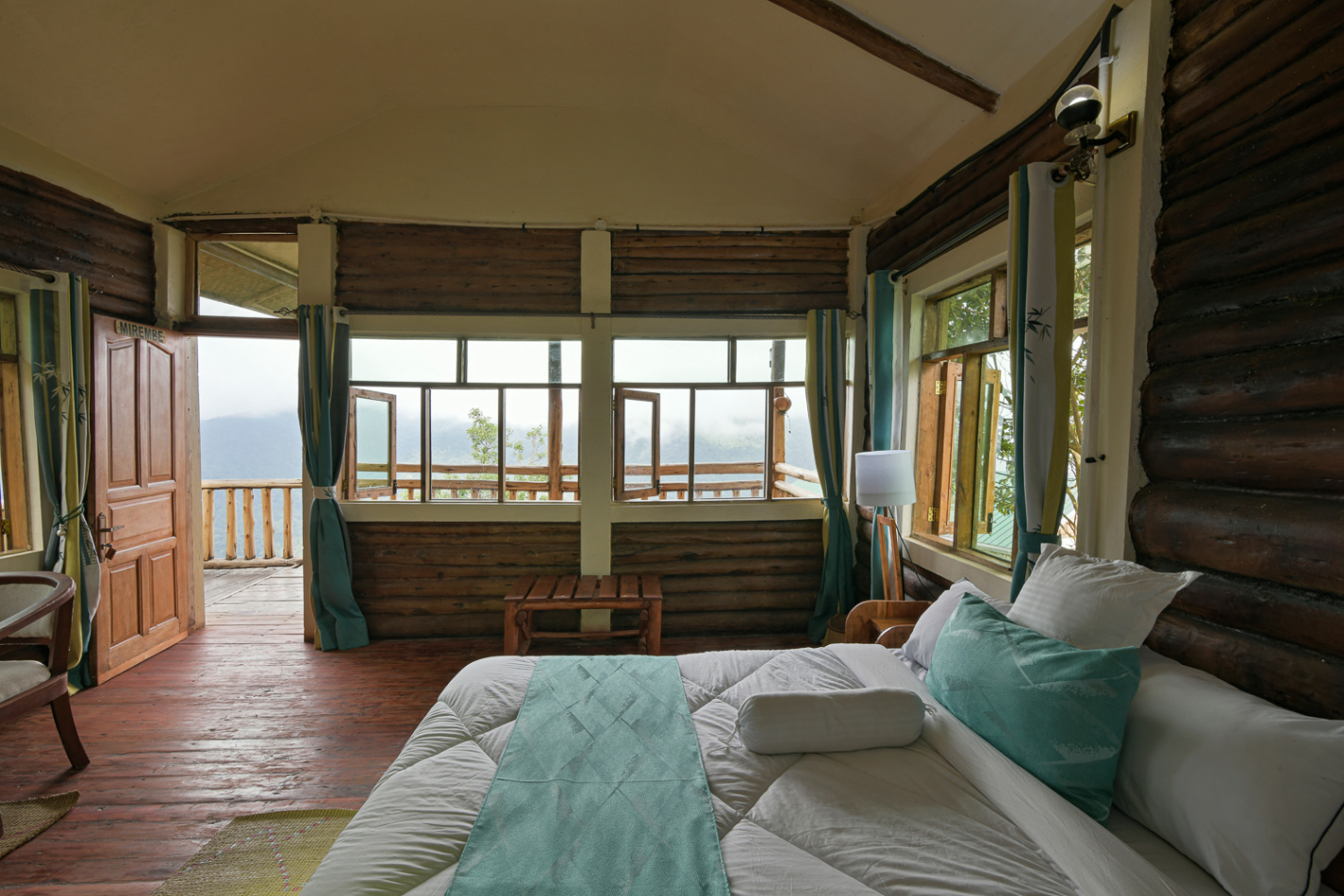
If you’re planning a longer trip, you might want to look at our 5-day Uganda primate safari or even a 7-day Pearls of Uganda tour to see more of what this beautiful country has to offer.
Gorilla Trekking Packing List Summary (2026 Edition)
To make things easy, here is your quick checklist for your Nkuringo gear and wider Bwindi trekking needs. A downloadable, mobile-friendly checklist is also available for guests who want something easier to save on their phone.
- Waterproof hiking boots with good grip
- Long-sleeved trekking shirts (moisture-wicking)
- Lightweight trekking trousers or comfortable jeans
- Long socks
- Gaiters
- Tough gardening gloves
- Proper waterproof rain jacket
- Sweater, fleece, or jumper for cold evenings and early mornings
- Lightweight thermal base layer for Nkuringo
- Wide-brimmed hat or cap
- Insect repellent
- Sunscreen
- Camera or phone with flash off
- Extra batteries
- Lens cloth
- Waterproof dry bags or ziplock bags
- Power bank
- MTN or Airtel Uganda eSIM / local SIM
- Refillable water bottle
- Personal first aid kit (plasters, antihistamines)
- Face mask if requested or preferred
Final Thoughts
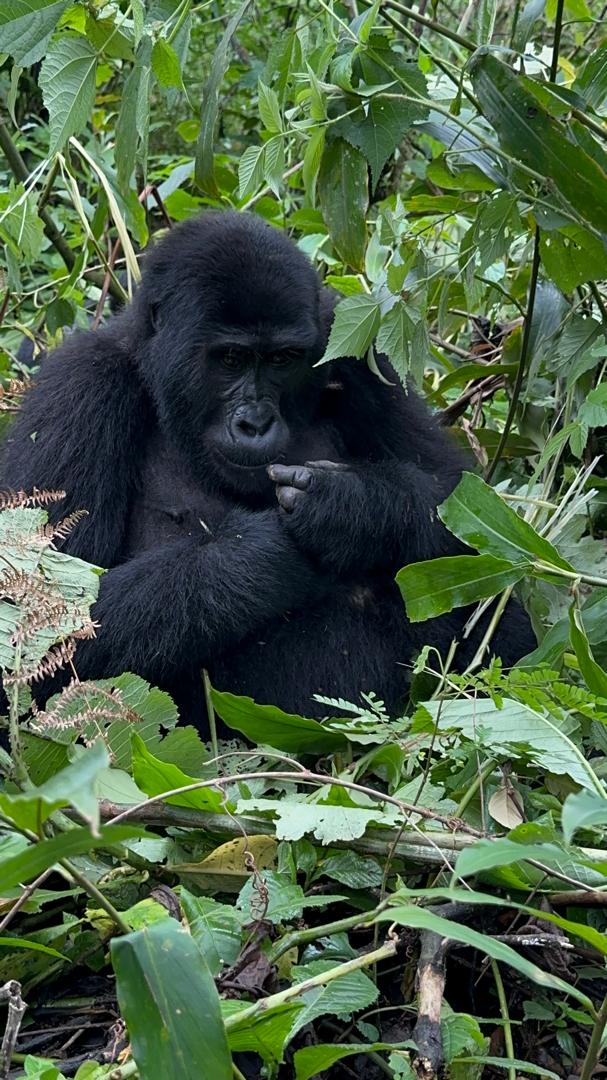
Gorilla trekking is one of the most remarkable wildlife experiences in Africa, but it is still a demanding forest hike first and a wildlife viewing moment second. Pack with the terrain in mind: wet clay, slippery roots, sudden rain, cold starts, humidity, and breathlessness on steep sections. Do that well, and the forest stops feeling like a problem and starts feeling like part of the privilege.
The right gear does not make gorilla trekking luxurious. It makes it comfortable enough for you to stop thinking about mud, rain, sweat, or cold and fully absorb the moment a silverback looks directly at you from ten feet away.
Are you ready to start your adventure? We’d love to host you at our sanctuary in the clouds. Check our accommodation rates or contact us today to start planning your 2026 gorilla trekking experience.
Frequently Asked Questions
What is the best month for gorilla trekking in Bwindi?
Trekking happens year-round. The dry seasons, from June to September and December to February, are usually easier underfoot. The wetter months can be more challenging but also greener, quieter, and excellent for dramatic rainforest photography.
Can I rent gear in Bwindi?
Yes. Items such as gaiters, shoes, and wellies can often be rented locally, depending on availability. If you are unsure what to bring, it is worth asking in advance so you can pack more efficiently.
Do I really need a porter if I’m fit?
Yes. Fitness helps, but Bwindi’s steep slopes, slippery roots, and clay mud can challenge anyone. A porter carries your daypack, gives support on difficult sections, and directly benefits the local community.
Are hiking poles available?
Yes. Hiking sticks are commonly available through UWA, and the lodge can also help you organise one. For many trekkers, especially on descents, they are more useful than expected.
Shorts or jeans: which is better?
Shorts are not advised because of stinging plants, mud, insects, and scratches. Jeans are fine if they are comfortable, though they dry more slowly than trekking trousers. If needed, the lodge can help with laundry.
How cold is Nkuringo?
Nkuringo can feel genuinely cold at night and in the early morning, often more like a cool European mountain morning than what people expect from equatorial Africa. It usually warms up by around 10am, so layering works best.
Can I wear trail runners?
Yes, if they have good grip and you are trekking in relatively dry conditions. For wet season trekking or very muddy routes, waterproof hiking boots are still the safer choice.
How do I get a gorilla permit?
Permits are limited and often sell out months in advance. As of 2026, the permit price is $800 per person for foreign non-residents. For the easiest booking process, we recommend securing your permit through Uganda Gorilla Permits or contacting us at Orugano Bwindi Lodge. Permits are officially issued by the Uganda Wildlife Authority, and you can also check our guide on how to get to Bwindi for more logistics.
Is there Wi-Fi at Orugano Bwindi Lodge?
Yes, Orugano Bwindi Lodge provides free Wi-Fi in all rooms and across the lodge, so you can stay connected, upload your gorilla photos, and back up your images after the trek.
Can I use my phone as a camera?
Absolutely. Just keep it in a waterproof pouch or ziplock bag, switch the flash off, and be ready for low-light conditions under the canopy.
Ready to trek? Book your stay at Orugano Bwindi Lodge and let the adventure begin!