
You’ve seen the documentaries. You’ve scrolled through the endless National Geographic photos of mist-covered mountains. But what happens during gorilla trekking between the moment you pull your boots on and the moment you’re standing a respectful distance from a massive silverback in the wild?
Gorilla trekking in Uganda is often described as a once-in-a-lifetime experience, which is true, but also a little too tidy. The reality is richer than that: damp leaves under your boots, low morning mist hanging over the hills, nervous laughter at briefing, and that sudden jolt of adrenaline when the forest goes quiet. If you have been wondering what to expect on a gorilla trek, this is the part the glossy brochures usually rush past.
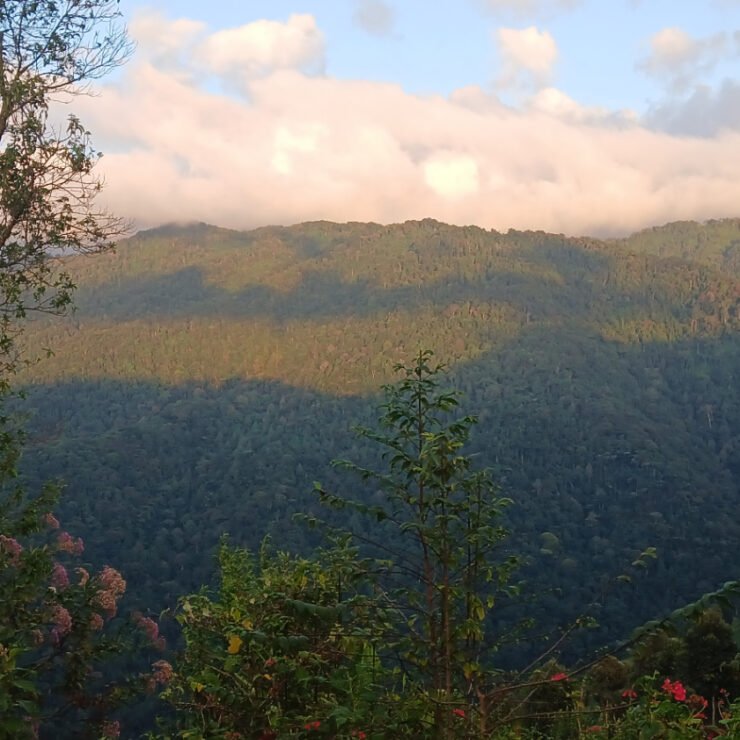
Unlike the relatively open bamboo slopes of Rwanda, Nkuringo gorilla trekking feels deeply immersive. You move from village edge to tea fields to thick forest, and the day unfolds step by step until the gorilla trekking experience becomes less like a tour and more like stepping into a living wildlife story.
At a Glance
- Gorilla encounter time: 1 hour
- Trek duration: 3–8 hours
- Group size: Maximum 8 visitors
- Minimum age: 15 years
- Success rate: Around 99% (never guaranteed)
Gorilla Trekking Timeline
To give you a clear picture of what happens during gorilla trekking, here is a typical schedule for the day.
| Time | Activity |
|---|---|
| 7:00 AM | Breakfast and transfer |
| 7:30 AM | Ranger briefing |
| 8:30 AM | Trek begins |
| 9:30 AM – 1:00 PM | Search for gorillas |
| 1 Hour | Gorilla encounter |
| Afternoon | Return trek and certificate |
Note: The earliest guests begin leaving the jungle at 1:00 PM, and by 4:00 PM, most guests are done with the tracking experience.
Step 1: The Logistics of Proximity (7:00 AM)
Your day begins early, but how early depends largely on where you sleep the night before. Bwindi is vast, and road distances can be surprisingly slow even when they look short on a map.
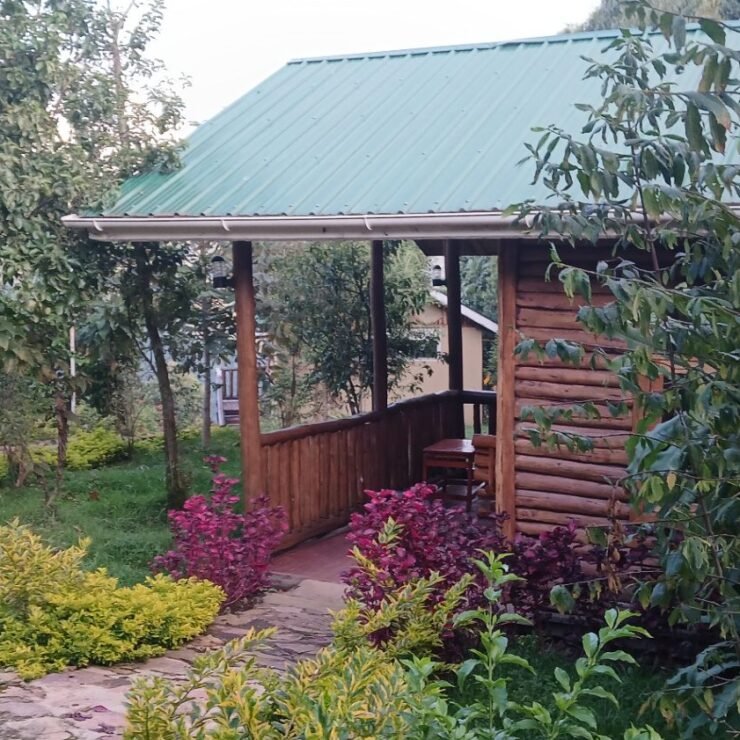
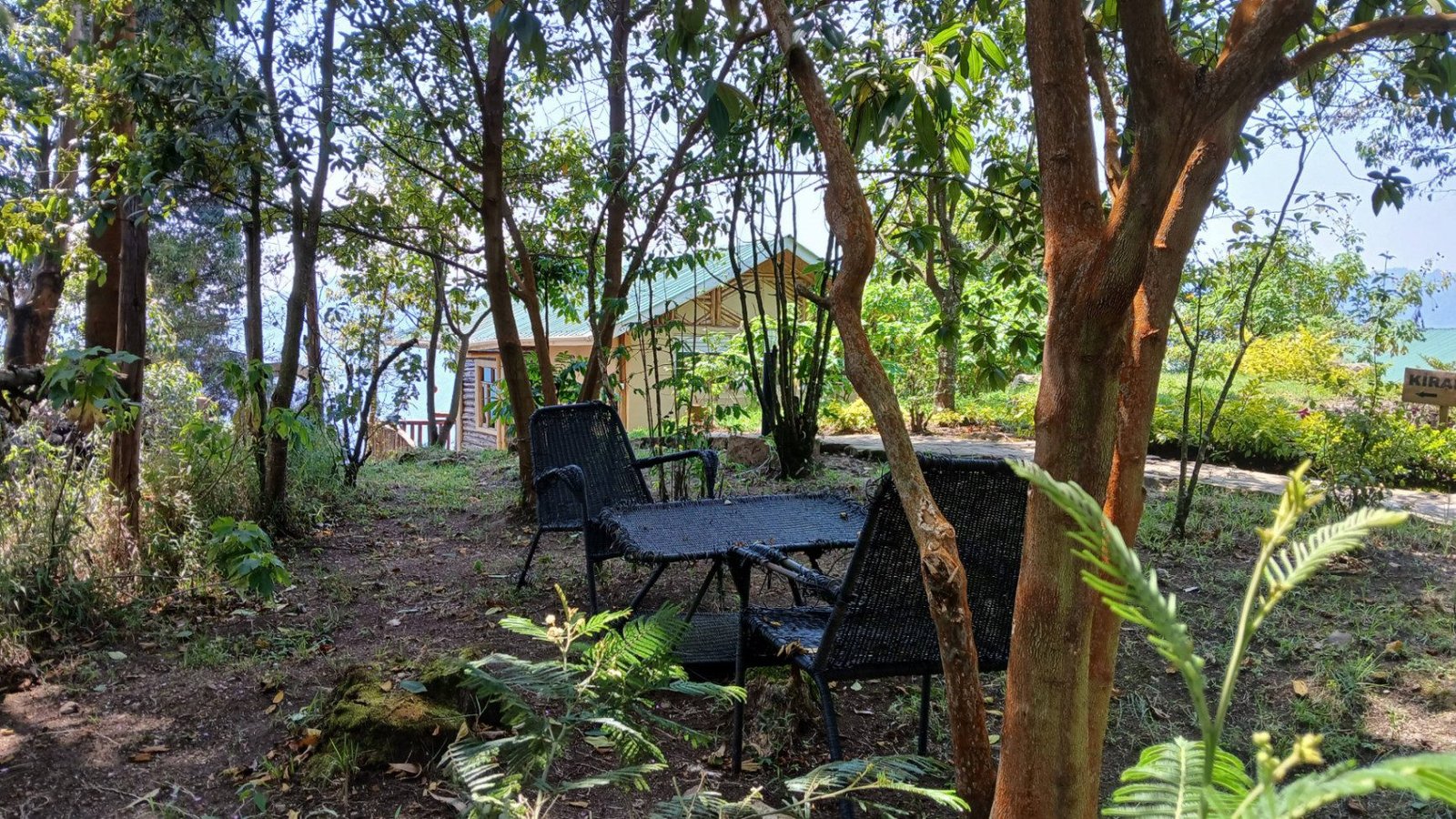
If you are staying at a lodge near Bwindi trekking start points, like Orugano Bwindi Lodge, the morning feels calm rather than rushed. You wake to birdsong, have breakfast with views towards the Virunga ranges, and make the short drive to the Nkuringo Uganda Wildlife Authority (UWA) office.
If you stay far from your trekking sector, the day starts earlier than it needs to. Because Bwindi is vast, staying close to your sector helps you avoid unnecessary early starts. It is one of those practical choices that does not sound glamorous, but on trekking morning it matters a lot.
Step 2: The Briefing at the Nkuringo Gate (7:30 AM)
Once you arrive at the park headquarters, the atmosphere is half organised wildlife operation, half school trip energy in the best possible way. Sometimes cultural dancers perform before briefing, and it genuinely helps wake everybody up. There is clapping, laughter, cameras out, and then the mood shifts as the rangers begin the formal process.
You’ll present your passport and your Uganda gorilla permit, and the rangers will run through the practical details of the day. This is more than a quick safety talk. It covers the dos and don’ts, health checks, when to wear your mask, why you should carry enough water, and how to behave once you are close to the gorillas.
Expect the briefing to cover rules such as:
- Maintain a 10-metre distance to help protect the gorillas’ health.
- Wear your mask when instructed near the gorillas.
- Keep voices low and movements calm.
- No flash photography.
- If you feel unwell, tell the team before the trek begins.
You’ll then be allocated into small groups, each with a ranger and guide. This is also where the day becomes personal. You may hear details about the specific gorilla family you are visiting, such as the Silverback’s name, how many babies are in the group, which individuals are playful, and where the family was last tracked. Suddenly, the gorillas stop feeling abstract and start feeling like neighbours you are about to meet.
For useful planning before trekking, see our guides to the Nkuringo Gorilla Families, What to Pack for Gorilla Trekking, and the Gorilla Habituation Experience if you are considering a longer primate encounter.
Step 3: Into the "Impenetrable" (8:30 AM – Noon)
After briefing, you usually drive a short distance from the headquarters to the actual trek start point. In Nkuringo, that often means beginning outside the forest itself, then walking through a tea plantation buffer zone before reaching the park boundary. It is a beautiful transition: cultivated hills, local footpaths, morning light on the leaves, and then suddenly the forest wall rising ahead of you.
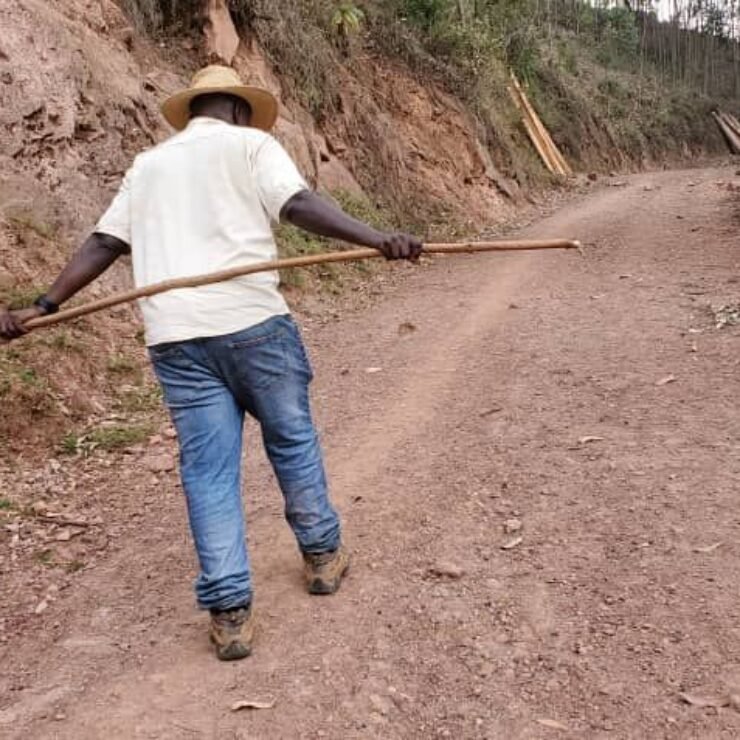
This part surprises many visitors. The gorilla trekking experience is not a constant dramatic scramble from minute one. The terrain around Nkuringo has improved over the years, and it is no longer the sort of "challenging" nightmare some older stories suggest. Moderate fitness is enough for most trekkers, especially if you take your time and hire a porter. If, on the other hand, you actually want more of a workout, you can ask the guides if a furthest group is available for your fitness level.
As you walk, the guide shares details that make the trail feel alive. You may learn which wild plants gorillas like to feed on, how trackers read broken stems and fresh dung like a morning newspaper, and how the forest and surrounding community are closely connected. Bwindi is not just a protected area sitting apart from local life; it is part of a wider landscape where conservation and livelihoods meet every day.
The duration of the trek is still unpredictable. Sometimes the family is reached in around 1 to 1.5 hours. Other days it may take longer. Trackers head out early to locate where the gorillas nested the night before and then guide the rangers by radio.
Pro Tip: Hire a porter. For about $20, these local legends will carry your bag and offer a steadying hand on uneven ground. It is practical help, yes, but it is also a direct way to support the local community.
For more context before you go, these guides help: How Difficult is Gorilla Trekking in Bwindi?, Best Time to Visit Bwindi, Kigali to Bwindi, and Bwindi vs Mgahinga.

Step 4: The Golden Hour (The Encounter)
The moment you’ve been waiting for happens almost without warning. Your ranger stops, raises a hand, and the whole group falls quiet. Walking sticks and larger bags stay behind. Masks go on. Camera settings are checked quickly. Then you move forward, slower than usual, trying not to crunch leaves too loudly underfoot. This is the point where what happens during gorilla trekking stops being a question and becomes a memory in real time.
And then there they are.
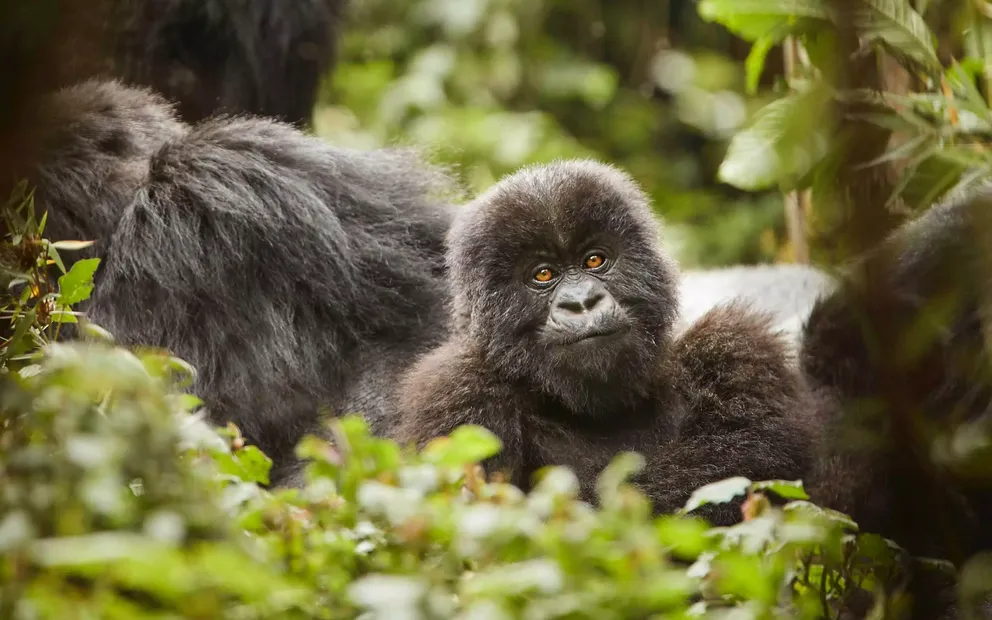
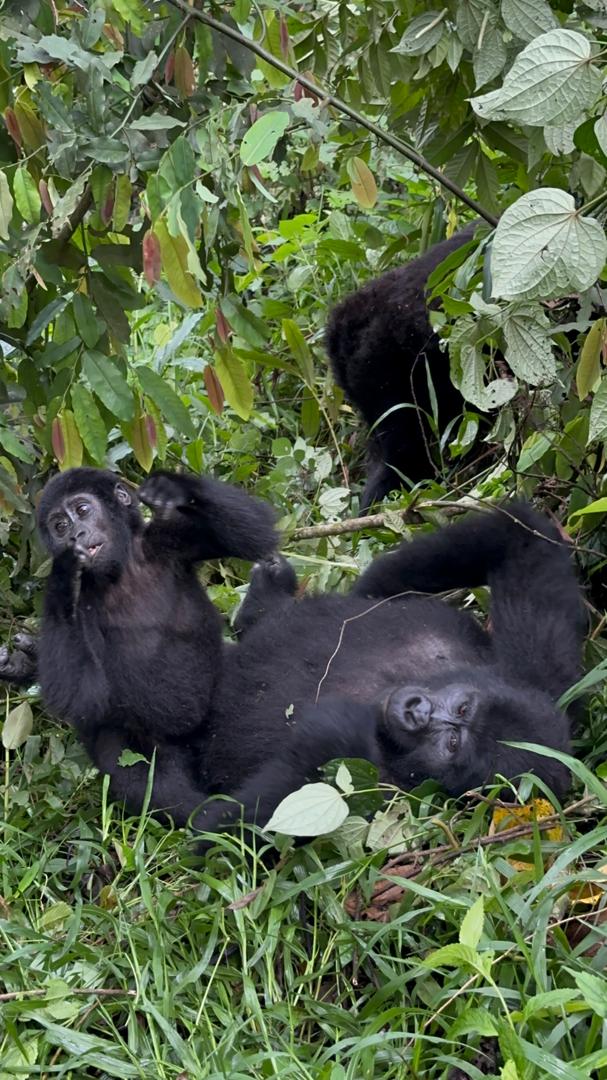
Seeing a mountain gorilla in the wild is nothing like seeing one in a zoo. There is no barrier, no stage, no soundtrack apart from birds, leaves, and the occasional low gorilla rumble. You may see a mother with an infant pressed close to her chest, juveniles tumbling through vines, or a blackback lounging with the kind of confidence most humans can only fake.
You have exactly one hour with the family. It sounds brief, but forest time behaves strangely. A few minutes can feel suspended, especially when the Silverback looks up and the group around you forgets, collectively, to breathe.
What Does Seeing Mountain Gorillas Feel Like?
It is quieter than most people expect. Not silent exactly, but softened. The guides lower their voices. The rangers sometimes "speak" to the gorillas in calm, familiar tones, a reassuring presence that helps keep the encounter settled. Leaves rustle. A baby thumps past. Somewhere behind the group, someone quietly laughs in disbelief.
Then the eye contact happens.
A gorilla glances at you, and for a split second the encounter feels startlingly human. Not because the animal seems tame, far from it, but because its expression lands with real emotional weight. Some visitors grin uncontrollably. Some cry. Some just stand there blinking, as if their brains need a second to catch up with what their eyes are seeing.
The Silverback often anchors the scene. He may feed, watch, shift his weight, or position himself protectively between the group and whatever he has decided deserves monitoring, which, today, may include you. Around him, babies climb over branches with reckless little-kid energy, while mothers keep one eye on the chaos. It is tender, funny, powerful, and deeply humbling all at once.
That is the strange beauty of it: the mountain gorillas feel wild, fully themselves, and yet uncannily familiar.
For readers planning camera gear in advance, our Photography Guide for Gorilla Trekking can help.
Step 5: The Trek Back – What Happens After Gorilla Trekking?
Eventually, the ranger signals that the hour is up. Most groups pause for a short rest and packed lunch before beginning the return walk. The hike back is often quieter, not because people are tired, although yes, that too, but because everyone is replaying the encounter in their head.
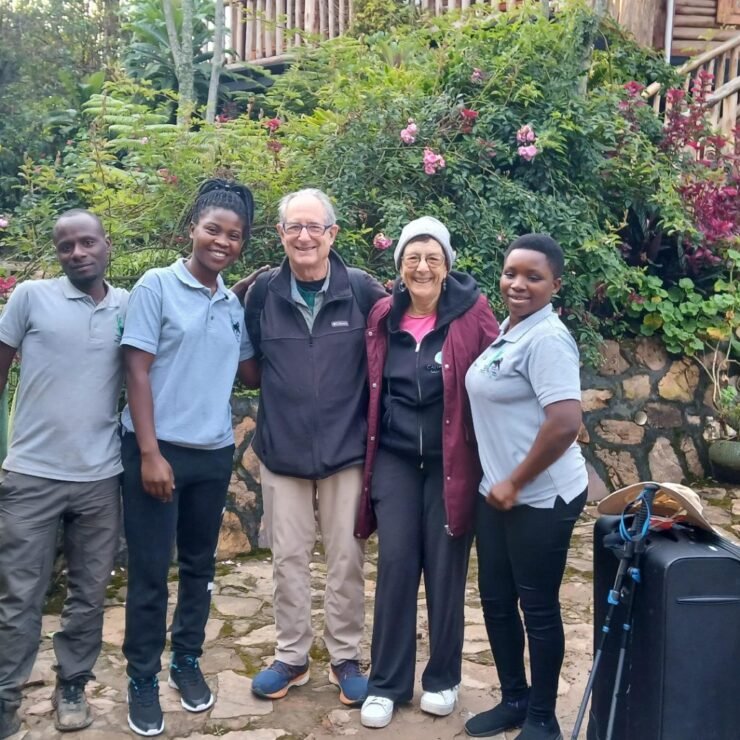
Once you reach the park office again, there’s a small ceremony. You’ll receive a "Gorilla Trekking Certificate" as a badge of honour. It is a simple moment, but a satisfying one. You have just completed one of the most memorable wildlife experiences in Africa.
Why Staying at Orugano Bwindi Lodge Matters
After a day in the forest, the nicest luxury is often the simplest one: being nearby. Guests staying at Orugano Bwindi Lodge are usually back for a hot shower, a proper meal, and mountain views within a short time of finishing their trek.
That closeness changes the rhythm of the day. The morning is less rushed, and the return feels easier. Instead of facing another long transfer, you can settle back into the calm of the lodge, hand over muddy boots for cleaning, and let the day slowly sink in from the terrace. It is a soft landing after an intense experience, which, frankly, feels exactly right.
That is the Natural Simplicity we offer: comfort that supports the adventure rather than distracting from it.

Frequently Asked Questions About What Happens During Gorilla Trekking
Q: How fit do I need to be for Nkuringo gorilla trekking?
A: Moderate fitness is enough for most visitors. The Nkuringo terrain is still hilly, but it is not the impossible slog some travellers fear. Hiring a porter helps a lot, and if you want more of a challenge, you can ask about a furthest group.
Q: How long does gorilla trekking take?
A: Most treks take between 3 and 8 hours in total, including briefing, hiking, the one-hour gorilla encounter, and the return walk. Some are shorter, some longer; it depends on where the gorilla family is that day.
Q: What should I pack?
A: Long trousers, a long-sleeved shirt, sturdy hiking boots, a rain jacket, water, snacks, and gloves for gripping branches. You can also read our full What to Pack for Gorilla Trekking guide.
Q: What happens if it rains?
A: Treks continue in the rain, which is very normal in Bwindi. Bring waterproofs, protect your camera gear, and expect muddy trails. The forest is not especially concerned with your hair.
Q: Will I see the gorillas?
A: Gorilla sightings are highly reliable — the success rate in Bwindi is around 99%. Trackers locate each habituated family before trekking groups set out, so it is very rare for a trek not to find them.
Q: Can I take photos?
A: Yes. Just make sure your flash is turned off. If photography is a priority, our Photography Guide for Gorilla Trekking is worth reading before your trip.
Q: How close do mountain gorillas come to visitors?
A: Although visitors are expected to keep the recommended distance, gorillas are wild animals and sometimes choose to move closer on their own. Rangers closely supervise all encounters to ensure safety for both visitors and gorillas.
Plan Your Adventure
Now that you know exactly what happens during gorilla trekking, the only thing left is to experience it for yourself.
Ready to step into the forest? Gorilla trekking in Uganda is more than a wildlife activity. It is part hike, part emotional reset, and part lesson in just how alive a forest can feel.
If you are planning your trip, you may also find these helpful: Best Time to Visit Bwindi, Kigali to Bwindi, Bwindi vs Mgahinga, Nkuringo Gorilla Families, How Difficult is Gorilla Trekking in Bwindi?, and the Gorilla Habituation Experience.
Book your stay at Orugano Bwindi Lodge to make trekking day smoother from start to finish. Check our availability here or contact us if you would like help planning your Bwindi visit.
FAQs About What Happens During Gorilla Trekking
1. Are there toilets during gorilla trekking?
There are no formal toilets on the trail itself. Most trekkers use natural cover in the forest before, during, or after the trek; some starting points have basic pit latrines. Your guide can advise on the best moments to go.
2. Can I trek if I have a cold?
No. Because gorillas are highly susceptible to human respiratory illnesses, anyone with a cold, flu, or other contagious illness is asked not to trek that day (a wildlife authority ranger may turn you away at check-in). If you are ill, contact us in advance to discuss rescheduling your permit.