
So, you’re thinking about gorilla trekking in Uganda, and wondering how difficult is gorilla trekking once you actually reach Bwindi Impenetrable National Park. It sounds legendary, doesn't it? Like something out of an adventure novel where the protagonist emerges from the vines, slightly dishevelled but victorious. But then you hear about the Nkuringo gorilla trekking sector. You hear words like "strenuous," "vertical," and the slightly ominous "Kashasha climb."
Suddenly, you’re looking at your hiking boots, the ones you’ve mostly used for brisk walks to the local coffee shop, and wondering: Can I actually do this?
The short answer? Yes, you probably can. The longer answer? It’s going to be a workout. At Orugano Bwindi Lodge, we believe in being honest (and a little bit witty) about what to expect. Located right on the edge of the park, we see trekkers head out with pristine gear and return with mud-caked knees and the widest smiles you’ve ever seen. Here is your realistic guide to the physical difficulty of trekking in Nkuringo and how to prepare for the adventure of a lifetime.
The Nkuringo Sector: Why the "Tough" Reputation?
Bwindi is divided into four main sectors: Buhoma, Ruhija, Rushaga, and Nkuringo. If Buhoma is the "classic" gentle introduction, Nkuringo is the high-octane adventure sibling.
The primary reason for its reputation is the elevation. The Nkuringo ridge sits at about 2,100 metres (6,890 ft) above sea level. Most treks here start with a descent, a very steep one. You’ll drop down into the valley to find the gorillas, and as the old saying goes: what goes down must come back up.
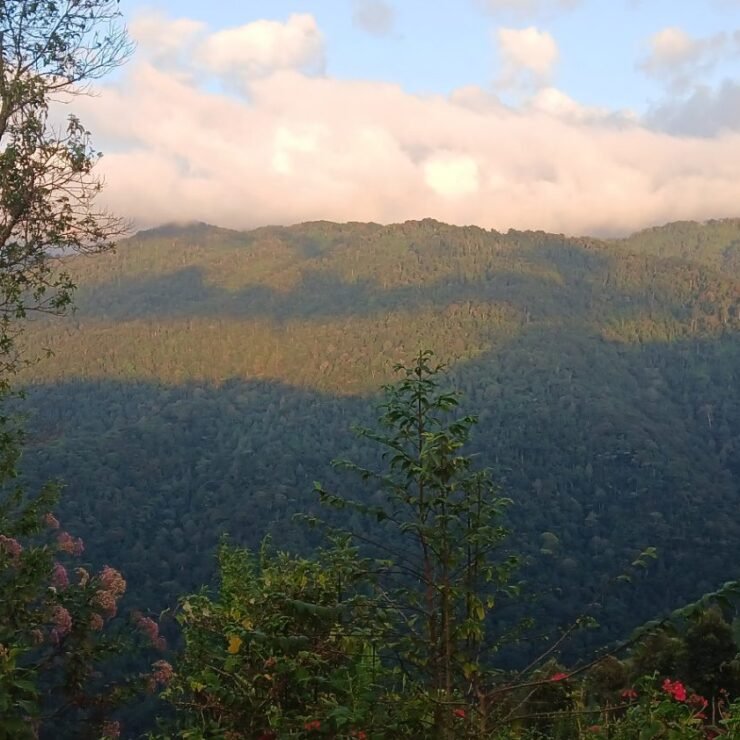
Unlike other sectors where the terrain might roll gently, Nkuringo is characterized by sharp ridges and deep valleys. You aren't just walking; you are navigating a 3D landscape of ancient roots, slick moss, and tangled vines. This is why staying at a lodge near Bwindi trekking start points is so crucial, you don't want a long commute before a 600-metre vertical climb!

The Infamous Kashasha Climb
If you talk to seasoned guides, they’ll eventually mention the Kashasha climb. The Kashasha River trail is one of the most beautiful routes in the park, cutting through the heart of the forest between Nkuringo and Buhoma.
However, if your gorilla family happens to be hanging out near the river, your return journey involves ascending the Kashasha valley wall back up to the Nkuringo ridge. We’re talking about a sustained, steep incline that can take anywhere from 45 minutes to two hours depending on your pace. It’s the kind of climb that makes you question your life choices for the first twenty minutes, but makes you feel like a mountain deity once you reach the top.
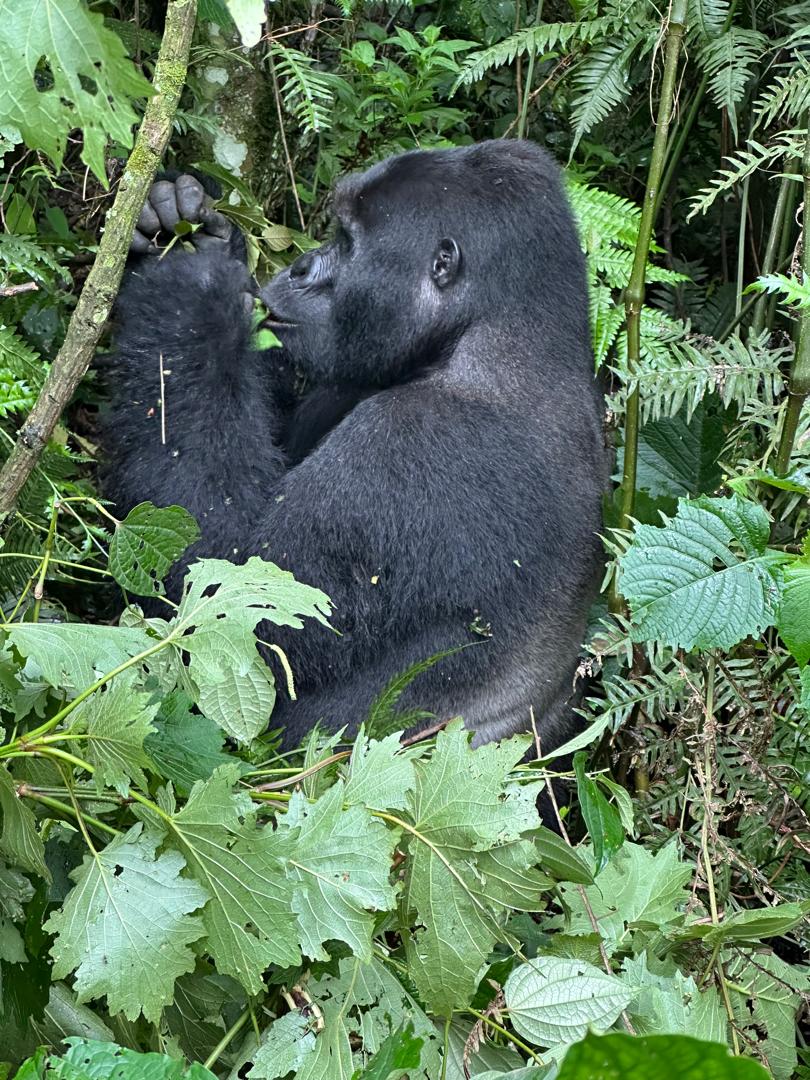
The terrain here isn't just about the incline; it's about the "Impenetrable" part of Bwindi. The ground can be soft and muddy (even in the dry season), and the "path" is often whatever the ranger has cleared with a machete five minutes earlier.
Reality Check: What Fitness Level Do You Actually Need?
We often get asked, "Do I need to be a marathon runner?" The answer is a resounding no. But you shouldn't be a dedicated couch potato either. If you're asking how difficult is gorilla trekking, your fitness level matters, but so does your pace, mindset, and preparation. Here is how we break down the fitness levels for gorilla trekking in Uganda:
1. The "I Walk My Dog" Level
If your exercise consists of flat 20-minute walks, Nkuringo will be a shock to the system. You will likely find the descent taxing on your knees and the ascent very slow. You can do it, but you must hire a porter (more on that later) and take it one step at a time.
2. The Weekend Warrior
If you enjoy a good hike on the weekends or hit the gym twice a week, you’re in the "Sweet Spot." You’ll huff and puff on the Kashasha climb, sure, but you’ll have the stamina to enjoy the scenery rather than just staring at your feet.
3. The Mountain Goat
If you run trails or do high-intensity interval training, you’ll find Nkuringo a fun challenge. You might even be the one waiting for the rest of the group to catch up (please don't gloat, the gorillas are watching).
Regardless of your level, the best time to visit Uganda for gorilla trekking is during the drier months (June-August and December-February). Wet mud adds a whole new level of "difficulty" that even the fittest hikers find humbling.
Preparing for the Trek: Tips from the Locals
Preparation is the difference between a "gruelling slog" and an "exhilarating challenge." If you're still weighing up how difficult is gorilla trekking, this is where smart preparation makes the biggest difference. Here’s how to prep:
- Focus on Your Quads and Glutes: In the month leading up to your trip, find some stairs. Walk up them. Walk down them. Your knees will thank you during the descent into the valley.
- The Power of the Pole: Do not, we repeat, do not, turn down the walking stick offered at the briefing. It acts as a third leg on slippery descents and a lever on the climbs.
- Hire a Porter: This is our #1 tip. For about $20 USD, a local porter will carry your bag and, more importantly, give you a literal hand on the steep bits. It also provides vital income to the local community.
- Hydrate Like a Pro: The humidity in Bwindi is high. Even if it’s misty and cool, you are losing fluids. Drink more water than you think you need.
Why Staying at Orugano Bwindi Lodge Changes the Game
Nkuringo is tough, but your accommodation shouldn't be. After a day of tackling the Kashasha climb, you don't want to retreat to a cold, generic room.
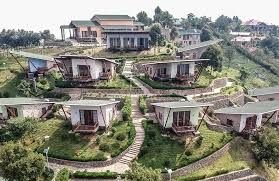
At Orugano Bwindi Lodge, we’ve designed our property around the concept of Natural Simplicity. Imagine returning from the forest, your muscles buzzing from the exertion, and being greeted with a warm towel and a roaring stone fireplace. Our boutique eco-luxury villas are strategically positioned so you can look back out at the very ridges you just conquered, all while tucked under bespoke linens.
Being a lodge near Bwindi trekking start points means you aren't waking up at 4:00 AM to drive two hours on bumpy roads. You wake up with the mist, eat a hearty organic breakfast, and stroll to the briefing point. This saved energy is your secret weapon for the trek ahead.
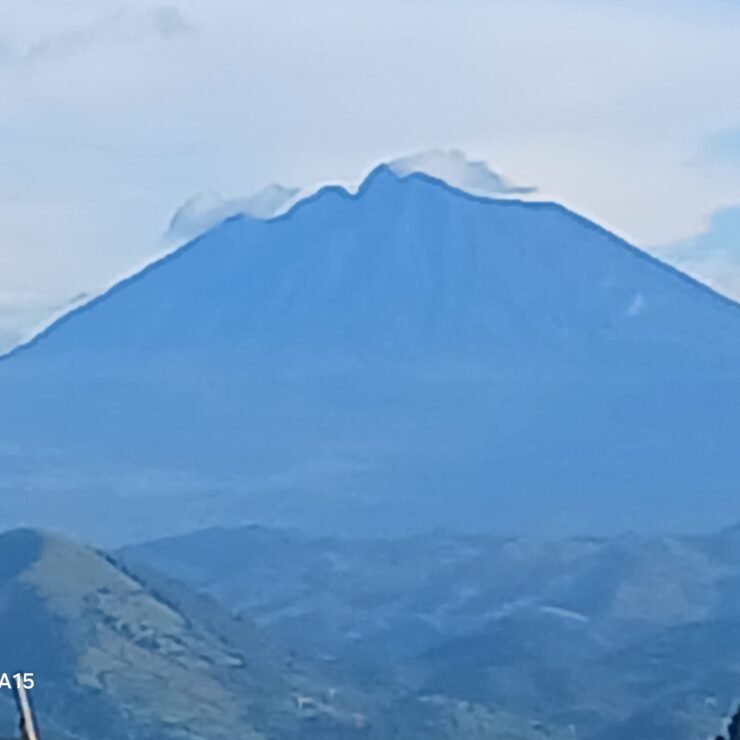
And once you're back? Our gorilla trekking recovery secrets involve locally sourced tea, a hot rain shower, and a view of the Virunga Mountains that makes all the sweat feel like a fair trade.

Beyond the Trek: Recovery and Reflection
Once the adrenaline of seeing the Nkuringo gorilla families wears off, you might find your legs feeling a bit like jelly. This is the perfect time to pivot to lower-impact activities.
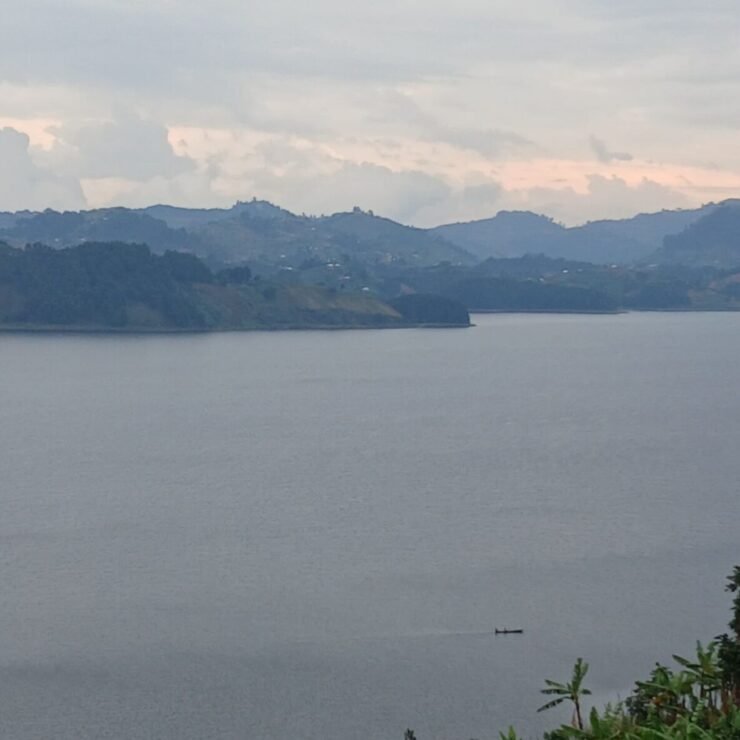
We highly recommend a gentle canoe excursion on Lake Mutanda or a community walk to visit the Batwa people. These activities allow you to soak in the culture and scenery of South Western Uganda without the vertical gain. It’s all part of the holistic experience we offer, blending the raw, untamed adventure of the forest with the sophisticated, peaceful sanctuary of the lodge.
Is it Worth It?
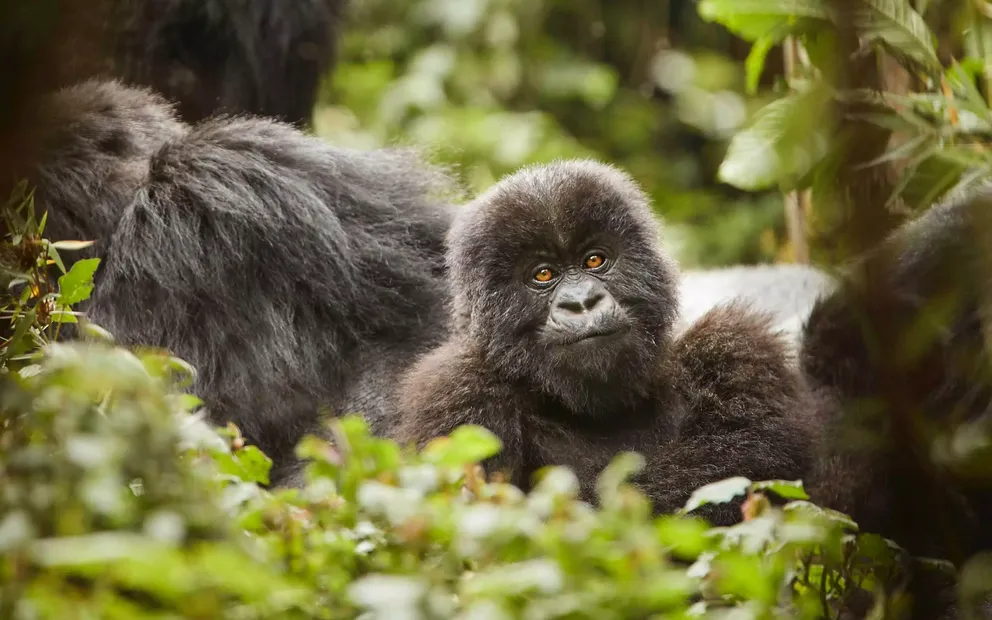
People often ask how difficult is gorilla trekking in real terms, and whether the challenge of Nkuringo gorilla trekking is worth the price and the physical toll. When you finally sit just metres away from a Silverback, watching him gently strip bark from a branch while the youngsters tumble through the undergrowth, the "difficulty" evaporates. You aren't thinking about your burning calves; you’re thinking about how lucky you are to be in the presence of such ancient, quiet power.
Nkuringo isn't just a trek; it’s a pilgrimage. And like all good pilgrimages, the effort is part of the reward.
Ready to conquer the Nkuringo heights?
Don't just dream about the forest, experience it from the comfort of Natural Simplicity. Book your stay at Orugano Bwindi Lodge today and let us help you plan the ultimate, high-quality safari experience.
FAQs About Nkuringo Gorilla Trekking Difficulty
1. How long does the trek usually take?
In Nkuringo, treks can last anywhere from 3 to 7 hours. It depends entirely on where the gorillas spent the night.
2. What should I wear for the Kashasha climb?
Sturdy, waterproof hiking boots with good ankle support are non-negotiable. Wear long trousers and long-sleeved shirts to protect against "blister bushes" and stinging nettles.
3. Is there an age limit for trekking in Nkuringo?
The official age limit is 15 years. For older trekkers, we recommend a realistic self-assessment of fitness. If you have mobility issues, let us know in advance so we can request a closer gorilla group during the briefing.
4. Can I trek if it's raining?
Yes, treks happen rain or shine. In fact, it's called a "Rainforest" for a reason! Just bring a high-quality lightweight poncho and expect things to get a bit more slippery.
5. How far is Orugano Bwindi Lodge from the trekking start point?
We are one of the closest lodges to the Nkuringo gate, making us the ideal base for those wanting to minimize travel time and maximize recovery.
Meta Title: How Difficult is Gorilla Trekking in Nkuringo Bwindi?
Meta Description: Wondering how difficult is gorilla trekking in Bwindi's Nkuringo sector? Get a realistic look at the Kashasha climb, fitness levels, and expert trekking tips.