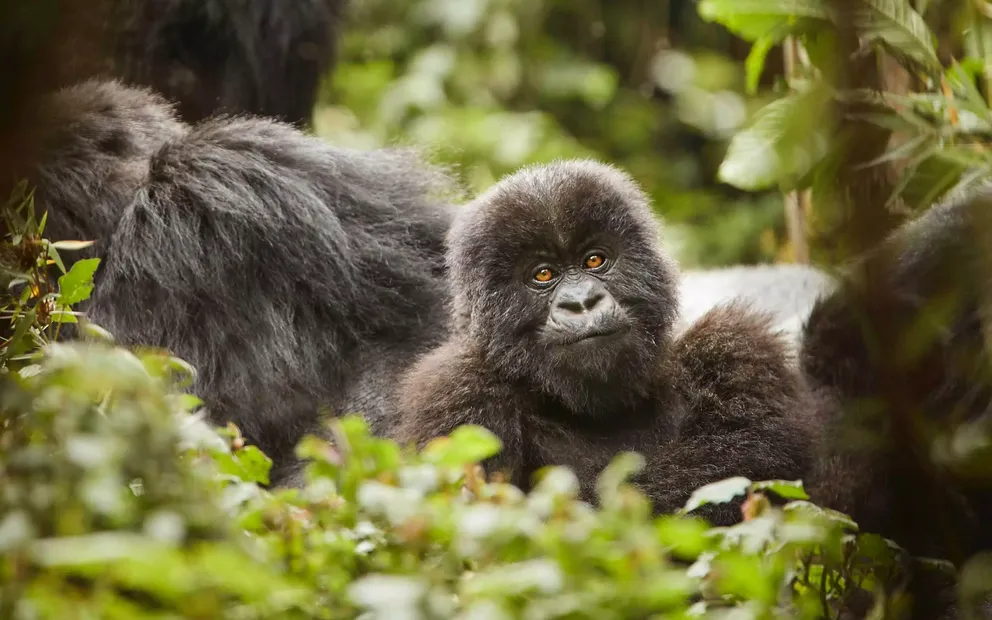
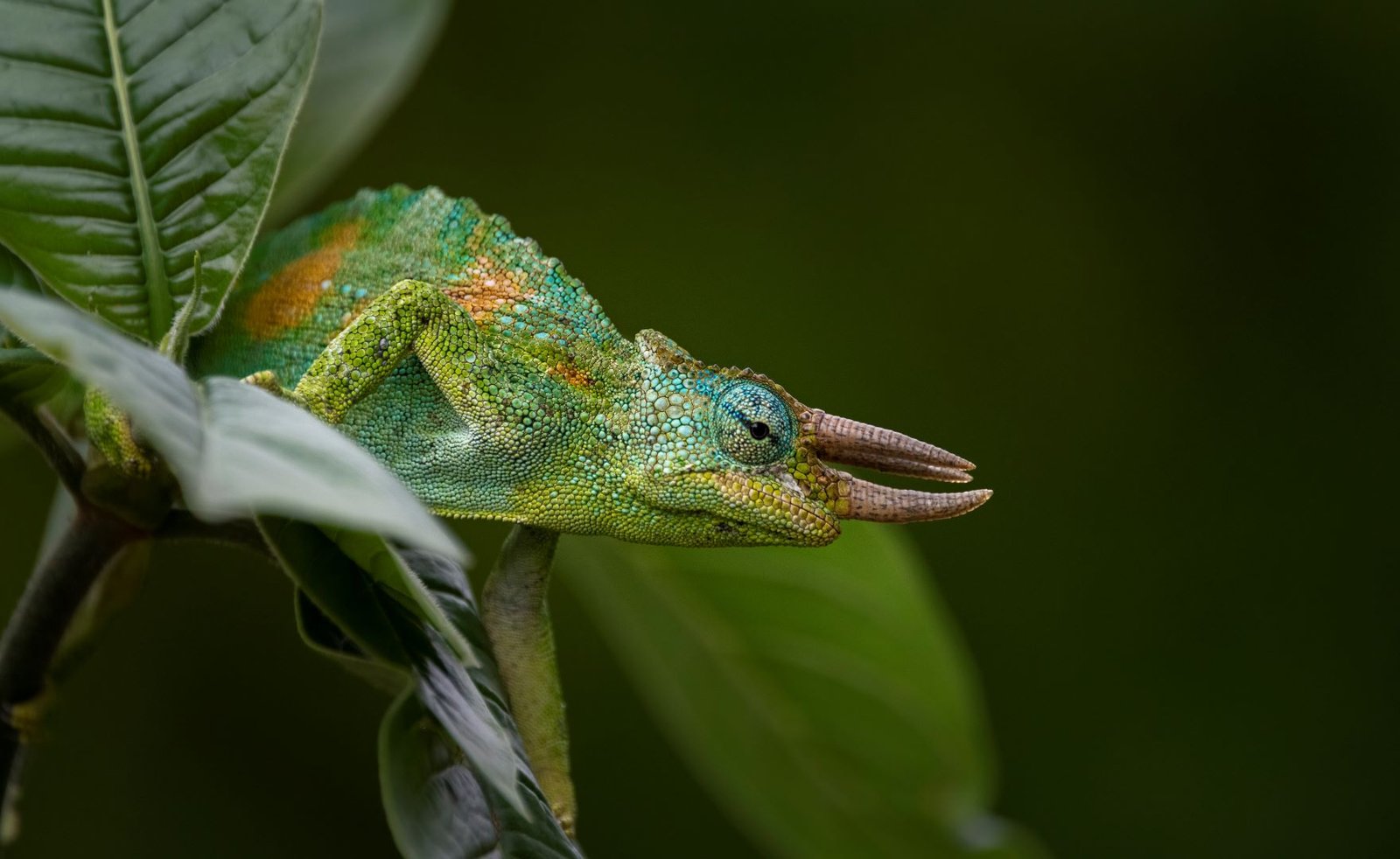

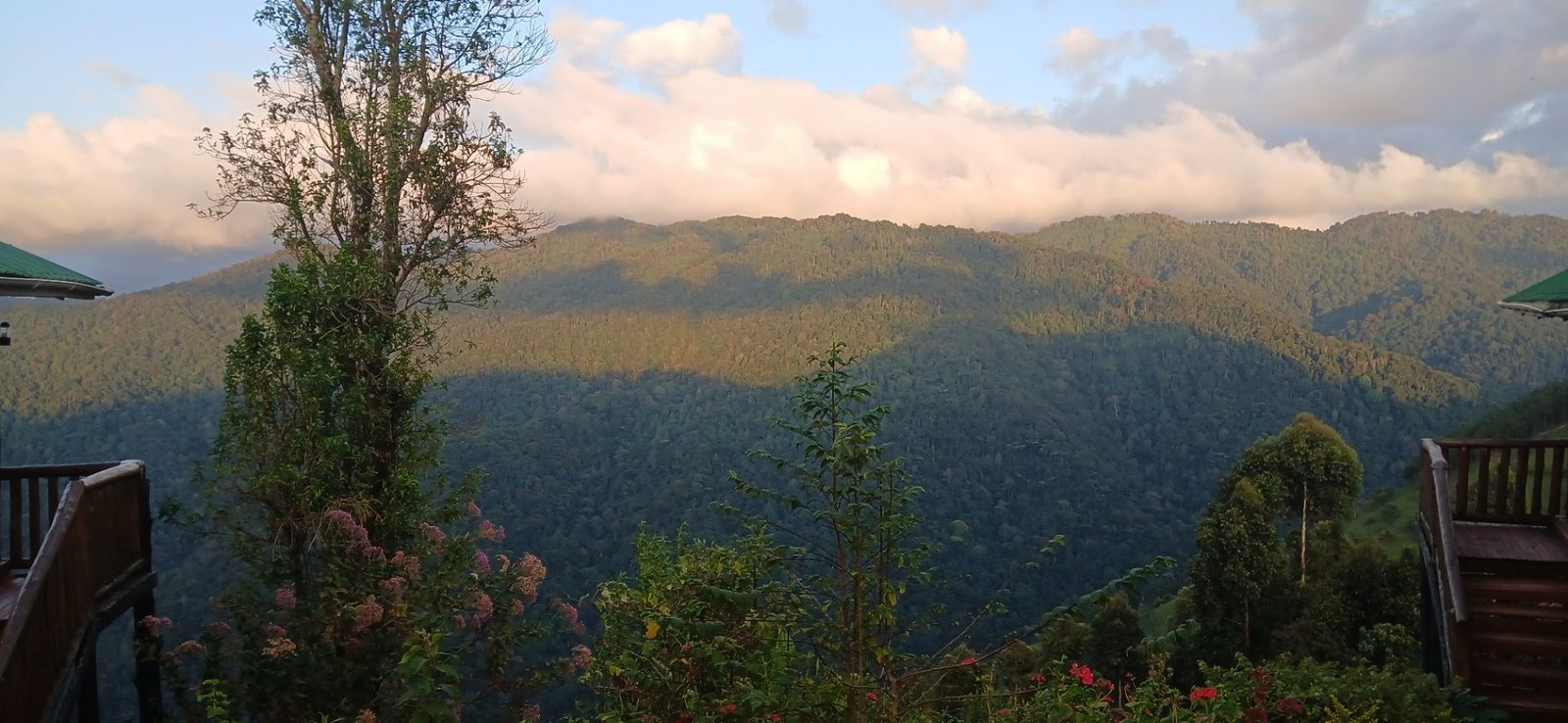
Best time for gorilla trekking in Bwindi — that’s the real planning question for 2026 and 2027 travellers. In other words, this guide covers the best time to visit Uganda for gorilla trekking too, since Bwindi is where the vast majority of Uganda’s gorilla treks happen. If you’re considering gorilla trekking in Uganda, especially in the well-known Nkuringo gorilla trekking and Rushaga gorilla trekking sectors, the right month affects far more than comfort. It shapes trail difficulty, photography conditions, road logistics, and how easily you can secure Bwindi gorilla trekking permits.
The short answer: you can trek all year. The more useful answer: not every month performs the same for every type of traveller. Dry months usually mean firmer trails and easier movement. Wet months often mean better permit flexibility, greener forest conditions, and cleaner post-rain light for photography. Meanwhile, southern Bwindi has its own practical advantage: if you are trekking in Nkuringo or Rushaga, arriving through Kigali and driving roughly 4 hours is usually far more efficient than driving 9–10 hours from Kampala.
This guide breaks down the seasons technically, so you can match weather, terrain, visibility, and access to the kind of Bwindi trip you actually want.
Best Time to Visit Bwindi at a Glance
| Month | Trekking | Photography | Crowds | Permit Availability |
|---|---|---|---|---|
| January | Excellent | Excellent | High | Moderate |
| February | Excellent | Excellent | Moderate | Moderate |
| March | Good | Very Good | Low | Good |
| April | Fair | Excellent | Very Low | Excellent |
| May | Fair | Excellent | Very Low | Excellent |
| June | Excellent | Very Good | High | Limited |
| July | Excellent | Very Good | Very High | Limited |
| August | Excellent | Good | Very High | Limited |
| September | Very Good | Excellent | Moderate | Good |
| October | Good | Excellent | Low | Excellent |
| November | Good | Excellent | Low | Excellent |
| December | Excellent | Very Good | High | Limited |
Best time for gorilla trekking in Bwindi: why timing actually matters
Unlike a beach holiday, Bwindi does not behave in neat seasonal binaries. Yes, the drier months usually offer easier walking conditions. But the wetter months can deliver stronger forest colour, lower visitor pressure, and better access to Bwindi gorilla trekking permits when peak dates are heavily booked. So the best time for gorilla trekking in Bwindi depends on whether you prioritise easier footing, cleaner logistics, photography, or permit flexibility.
It also depends on which sector you choose. Nkuringo gorilla trekking is known for its steep gradients, higher starting altitude, and demanding ascents and descents compared with many other Bwindi sectors. Rushaga gorilla trekking is generally more flexible operationally because of the number of habituated families and accommodation choices nearby, though the terrain can still be steep and muddy. In practical terms, Nkuringo often feels more physically intense, especially in rain.
One more planning detail worth underlining: the 2026 Uganda gorilla permit price is $800 per person for foreign non-residents, and that standard applies year-round. If you’re still weighing destinations, you can also read our comparison of Luxury Uganda Safari vs Rwanda, our guide to Uganda vs Rwanda gorilla trekking, our detailed Gorilla Permit Guide, and our practical breakdown of Kigali vs Entebbe for gorilla trekking.
Which Bwindi Sector Is Best?
Choosing the right sector matters almost as much as choosing the right month.
- Nkuringo: Best for views of the Virunga Mountains and forest, forest trails, community treks, and a quieter luxury atmosphere. It is also ideal if you want to stay close to Nkuringo gorilla trekking routes and premium Bwindi accommodation.
- Rushaga: Offers the largest number of habituated gorilla families and is the exclusive location for the Gorilla Habituation Experience.
- Buhoma: Best for connections to Kibale and Kabale, the classic Buhoma-to-Nkuringo experience, and a polished luxury Bwindi experience.
- Ruhija: Best for birders, quieter trails, and immersive forest trekking.
Seasonal technical comparison for Bwindi gorilla trekking
The table below gives a working overview for trip planning. Conditions vary by week, not just by month, because Bwindi’s rainforest climate is highly localised.
| Season | Typical Rainfall Pattern | Day Temperature | Permit Difficulty | Forest Visibility |
|---|---|---|---|---|
| June–August | Lowest rainfall of the year, though short showers still happen | Approx. 11–23°C in higher southern sectors | High demand; permits should be booked early | Generally strong visibility, but dry air can bring haze on distant views |
| September | Transitional shoulder season with mixed dry and light rain days | Approx. 11–22°C | Moderate demand | Good forest visibility, greener backgrounds, variable cloud cover |
| October–November | Short rains; frequent afternoon showers and wetter trails | Approx. 11–21°C | Easier than peak season | High local clarity after rain, but mist can close in quickly |
| December–February | Relatively drier overall, especially Jan–Feb | Approx. 12–24°C | High demand, especially festive dates | Often bright and usable for photography, though dust and haze can soften long views |
| March–May | Long rains; sustained wet conditions and saturated trails | Approx. 10–21°C | Usually easier to secure permits | Excellent colour saturation and clean post-rain light, but mist and rain reduce consistency |
The Bwindi microclimate: why “dry season” never means fully dry
Bwindi is a montane rainforest, not a savannah park pretending to be predictable. Even in the so-called dry seasons, you should expect occasional rain, wet vegetation, and sudden drops in temperature. This matters even more in southern Bwindi, where Nkuringo sits at over 2,100 metres above sea level.
That altitude changes the feel of the trek. Early mornings can be cold, especially before sunrise departures. Cloud can roll in fast. A bright morning can become misty by mid-trek, and light rain can arrive with very little warning. In other words, “dry season” in Bwindi usually means less rain, not no rain.
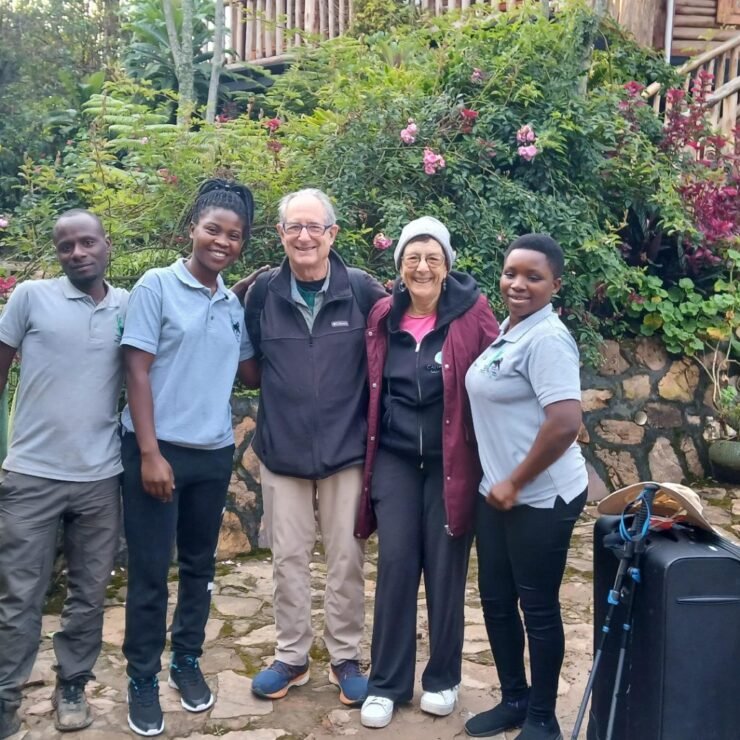
From Orugano Bwindi Lodge we often see guests arrive expecting the rainy season to ruin their trek. In reality, the wetter months can produce some of the most memorable gorilla encounters and strongest photography conditions of the year. The forest is greener, the mountain views are often clearer after rain, and visitor numbers are lower. While weather can occasionally delay departures, trekking teams adjust schedules around conditions and most excursions proceed normally once it is safe to do so.
For high-end travellers, the practical takeaway is simple:
- Pack a waterproof outer layer in every month
- Carry a warm mid-layer for early starts in Nkuringo
- Protect cameras, phones, and passports from moisture year-round
- Expect wet foliage even when the trail itself looks relatively dry
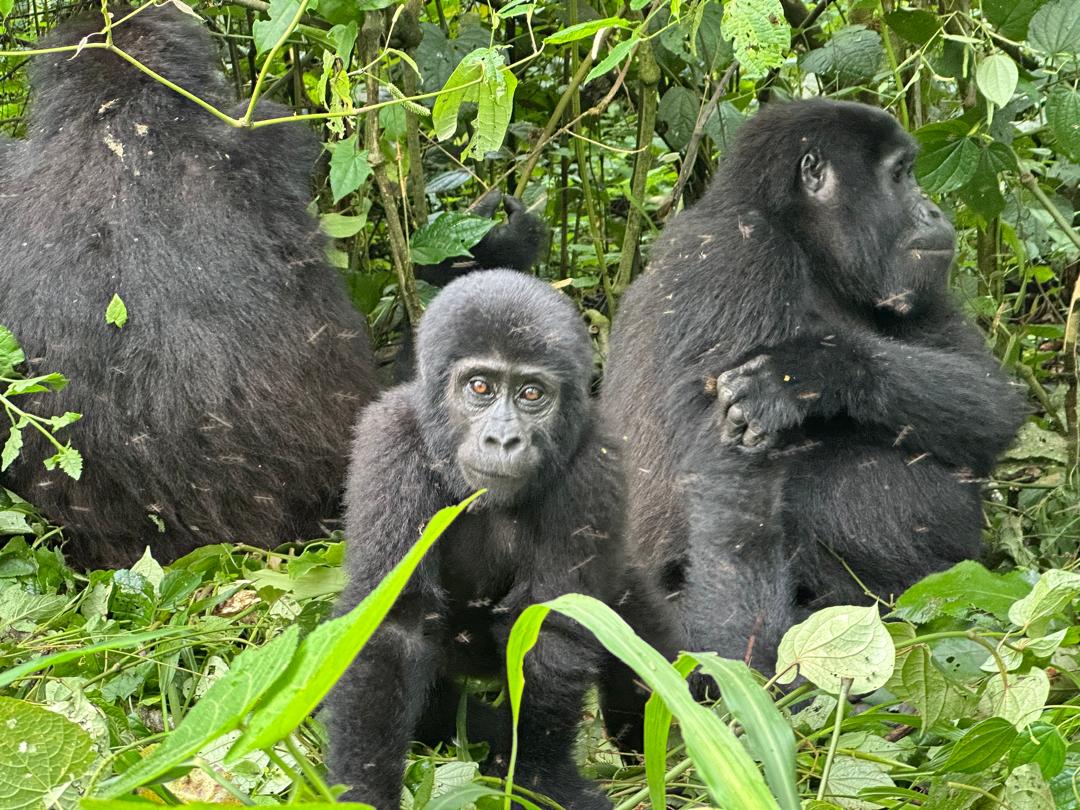
June – August: Best time for gorilla trekking in Bwindi for classic dry-season conditions
This is the golden window, the long dry season that most travellers ask about first. For many people, this is the best time for gorilla trekking in Bwindi because trails are usually firmer, forest movement is easier, and logistics are simpler. If you’re planning Nkuringo gorilla trekking or Rushaga gorilla trekking, this is one of the most straightforward times of year to do it.
The Good:
- Less surface mud and fewer deep slippery sections
- Better walking conditions in Nkuringo’s steeper terrain
- More reliable road access and cleaner transfer planning
- Excellent season to use the Kigali to Bwindi route, which takes around 4 hours and saves you from the much longer 9–10 hour drive from Kampala
- Easy to combine with other Uganda safari tours
The Reality Check:
- The 2026 permit price is still $800 per person
- Demand is high, especially for the southern Bwindi sectors
- Lodges book fast, including well-located options near Nkuringo and Rushaga
- Dry air can slightly reduce long-range scenic clarity, especially on brighter afternoons
For photography, this period often delivers usable light and easier movement, but it is not always the cleanest atmosphere. In dry months, fine dust on access roads and suspended moisture in warm air can create haze — a soft veil that reduces contrast on distant landscapes. Gorilla images inside the forest are usually less affected than wide scenic shots, but volcano views can look flatter than travellers expect.
This is the season for travellers who want the smoothest version of the experience. Not effortless, obviously — it’s still a rainforest hike, not a stroll to brunch.
September: The underrated shoulder-season sweet spot
September is quietly excellent. It sits between heavier demand and wetter conditions, which makes it a strong pick for travellers who want balance. If you’re looking at Rushaga gorilla trekking or Nkuringo gorilla trekking, this month often gives you a useful middle ground: decent trekking conditions, greener scenery, and fewer people on the trail.
Why We Love It:
- Lighter crowds than the main dry-season rush
- Better permit availability than peak months
- Fresh green landscapes without the full difficulty of the long rains
- A calmer lodge atmosphere and softer morning light
The Trade-Off:
- Some trails begin getting muddier
- Weather becomes less predictable
- You still need proper rain gear and waterproof boots
September is particularly good for travellers who want a compromise between easier walking and better visual freshness in the forest.
October – November: Best time for flexible travellers who don’t mind a little rainforest honesty
Here’s where Bwindi becomes technically more demanding. The rains return more seriously, the trails get muddier, and trekking in the south can feel properly rugged. But for travellers who care more about availability than polished conditions, this can still be a very smart time for Bwindi gorilla trekking.
The Upside:
- Permits are often easier to secure
- Rushaga gorilla trekking and Nkuringo gorilla trekking may be easier to book on shorter timelines
- Some lodges offer attractive low-season rates
- The forest looks dramatic, lush, and deeply alive
- Post-rain air can produce noticeably cleaner, higher-contrast landscape views
- Migrant bird species arrive, and Bwindi’s forest — home to over 350 recorded bird species — is especially rewarding for birding this time of year
The Downside:
- Mud becomes part of the experience, not a side note
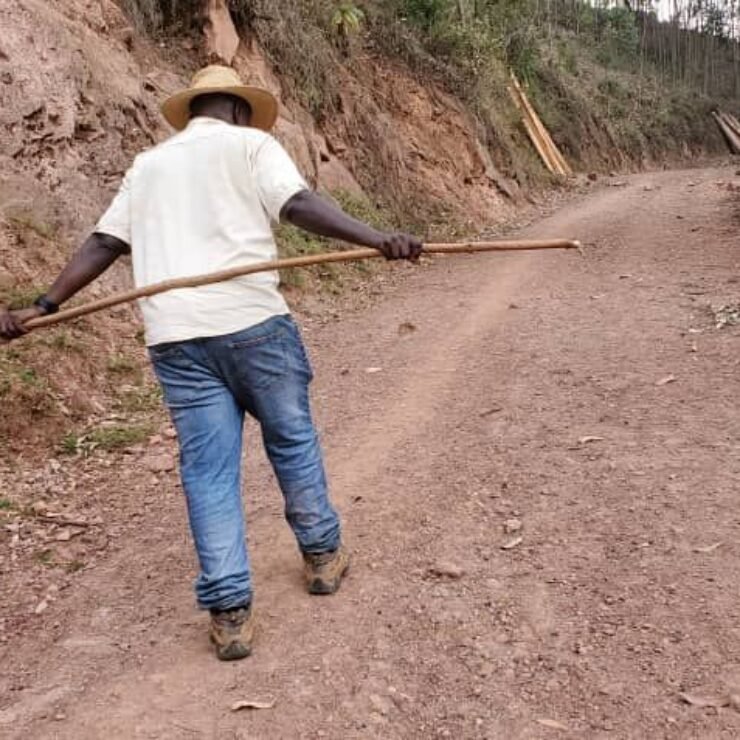
- In Bwindi, that often means slick red clay that cakes onto boots and becomes slippery on steep descents
- Steep sections in Nkuringo can feel tougher than in many other sectors once the ground is saturated
- You’ll want waterproof gear, gaiters, and trekking support from a porter
For photographers, this period can be surprisingly rewarding. After rain, the air is often washed clean of dust, which improves contrast and colour separation. Leaves reflect more light, greens deepen, and distant ridgelines can look clearer than in the dry season. The trade-off is that mist and low cloud change fast, so consistency is lower even when visual quality is excellent.
December – January: Festive season, dry trails, and strong photography conditions
Welcome to peak season, round two. The weather typically improves again, the trails are friendlier, and permit demand climbs fast. If you’re travelling over the holidays, this may be your best time for gorilla trekking in Bwindi — but planning late is, frankly, an ambitious life choice.
What to Expect:
- Generally excellent trekking conditions
- High demand for permits in both Nkuringo and Rushaga
- The standard 2026 permit cost remains $800
- Busy festive travel dates and limited room availability
Booking Strategy:
If you want this window, book early. Very early. The good news is that it’s also a brilliant time to base in southern Bwindi and use the 4-hour Kigali to Bwindi drive, which is far easier than the long 9–10 hour drive from Kampala.
Dry-season photography is strong here, but not always perfect. You can get bright, clean forest light in the morning, yet scenic views may sometimes lose contrast because of atmospheric haze. If your priority is gorilla portraiture rather than ultra-crisp mountain panoramas, this season still performs very well.
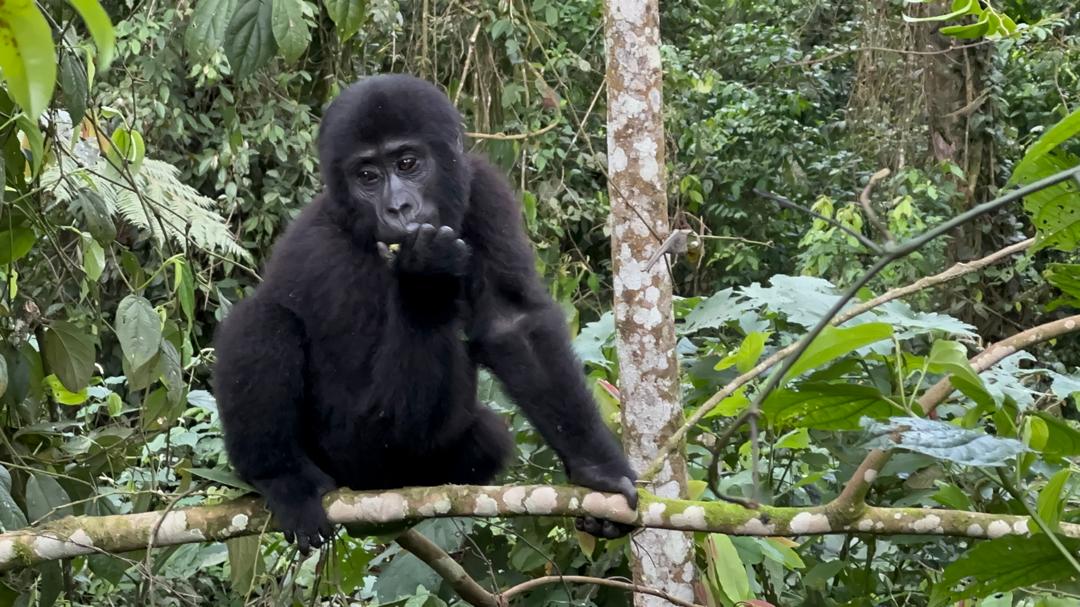
February: Last call for dry season, and one of the best months for photographers
February is one of the strongest all-round months in Bwindi. Trails are usually manageable, skies are often clearer, and the forest still looks rich without feeling relentlessly wet. For many 2026/2027 travellers, this is one of the smartest times to book Nkuringo gorilla trekking or Rushaga gorilla trekking.
Best For:
- First-time trekkers who want easier trail conditions
- Travellers using the Kigali to Bwindi transfer route
- Couples and small groups wanting strong weather reliability
- Anyone combining gorilla trekking with other experiences like golden monkey trekking or the Batwa Trail
Photography conditions: dry-season haze vs wet-season clarity
If you care about photography, January and February are hard to beat for access and comfort. You’re more likely to get drier trails, less equipment stress, and easier movement between shooting positions. Gorilla photography is always shaped by the jungle — low light, movement, foliage, and shifting distance — but these months often offer the best overall balance.
That said, there is an important technical nuance. In drier months, especially on bright days, haze can soften distant scenery. Haze is basically suspended fine particles and moisture in the atmosphere that reduce contrast and make far-off ridges or volcanoes look flatter. By comparison, after rain in the wetter months, the air is often cleaner. You get more clarity, stronger tonal separation, and richer greens, even if the weather is less predictable.
If you are photographing in misty or dark forest conditions, these settings are a practical starting point:
- Shutter speed: aim for at least 1/250 sec for still gorillas, 1/500 sec if movement is constant
- Aperture: use the widest practical setting, often f/2.8 to f/5.6, to gather light
- ISO: expect to work around ISO 1600–6400 in dense forest
- Exposure compensation: consider +0.3 to +0.7 in fog or mist if subjects look too dark against bright background haze
- Autofocus: continuous AF or subject tracking helps when gorillas shift position behind foliage
Mirrorless cameras generally perform better for real-time exposure preview in changing mist, while DSLRs still handle low-light autofocus well with the right lens. Smartphones can produce decent results if you avoid heavy digital zoom, tap to expose for the gorilla’s face, and keep the phone steady with both hands. A waterproof pouch matters more than brand loyalty out here.
March – May: Lush, quiet, and ideal for adventurous value-seekers
This is the long rainy season, and yes, it can be intensely muddy. But it’s also a beautiful time to be in Bwindi. If you don’t need postcard-dry trails and you’d rather prioritise availability, atmosphere, and occasional lower accommodation rates, this season has real appeal.
Why Consider It:
- Permits are often easier to secure, even for shorter lead times
- The $800 permit price stays the same, but lodge offers can improve the overall package value
- Fewer visitors on the trails in Nkuringo and Rushaga
- Gorgeous misty forest scenery and fantastic birdlife
- Excellent post-rain colour and contrast for atmospheric photography
The Challenge:
- Trails can be steep, slick, and physically demanding
- In Bwindi, wet-season mud is often heavy red clay, which is more slippery than many travellers expect
- Rain is common, so waterproof kit is essential
- This season is less ideal if you strongly prefer easy walking conditions
This is the season when the difference between sectors becomes more obvious. Nkuringo gorilla trekking is often more physically demanding because of its steep slopes and higher altitude approach. If trail ease is your main priority, you should discuss sector strategy carefully before confirming your Bwindi gorilla trekking permits.
Planning Your Bwindi Gorilla Trek: The Practical Stuff
Here’s what you actually need to know before booking for 2026 or 2027:
Permits & Availability:
- The current 2026 Uganda gorilla permit price is $800 per person for foreign non-residents
- Permit pricing does not change by season
- Peak months for Bwindi, especially June–August and December–February, should be booked well in advance
- In lower-demand months, permits for Nkuringo gorilla trekking and Rushaga gorilla trekking are often easier to secure
- If your dates are fixed, secure your Bwindi gorilla trekking permits first, then build flights and lodging around the confirmed sector
- For a full booking walkthrough, read our Gorilla Permit Guide
Kigali vs Kampala: which route is better for southern Bwindi?
One of the smartest ways to plan southern Bwindi is to arrive via Kigali in Rwanda, then transfer by road to Bwindi. For many travellers heading to Nkuringo or Rushaga, the Kigali to Bwindi drive is around 4 hours, while the Kampala to Bwindi drive is usually 9–10 hours depending on traffic, road conditions, and stop pattern.
For Nkuringo gorilla trekking and Rushaga gorilla trekking, the Kigali route is technically superior for three reasons:
- Less road fatigue: you arrive fresher before the trek
- Better fit for luxury itineraries: it reduces wasted transit time and improves overall trip flow
- Stronger access to southern Bwindi: Nkuringo and Rushaga are geographically better positioned for arrivals from Kigali than from Kampala
The Kampala route still works well if you are combining Bwindi with a longer Uganda circuit, but for travellers whose main focus is southern Bwindi, Kigali is usually the more efficient entry point.
What to Pack:
- Waterproof hiking boots
- Rain jacket, even in the dry season
- Warm layer for cold starts in Nkuringo’s higher altitude
- Gaiters for mud protection
- Long sleeves and trousers for thorns and insects
- Garden gloves for gripping vegetation on steep slopes
- A dry bag or waterproof pouch for cameras and phones
For a fuller checklist, see our guide on what to pack for gorilla trekking, and if you want a realistic read on trail effort, our Gorilla Trekking Difficulty Guide is worth reviewing before you confirm your trip.
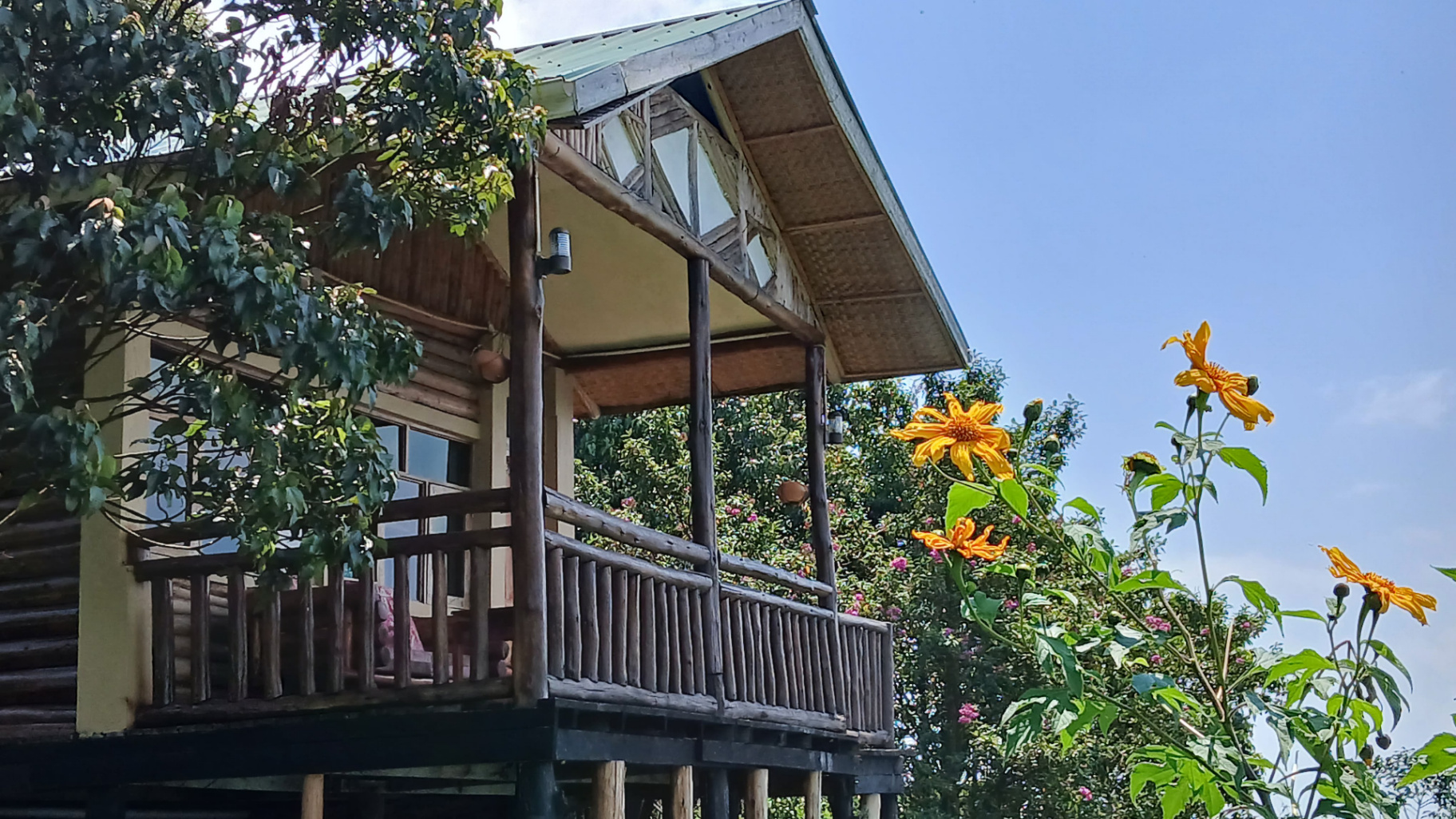
Why Base Yourself at Orugano Bwindi Lodge:
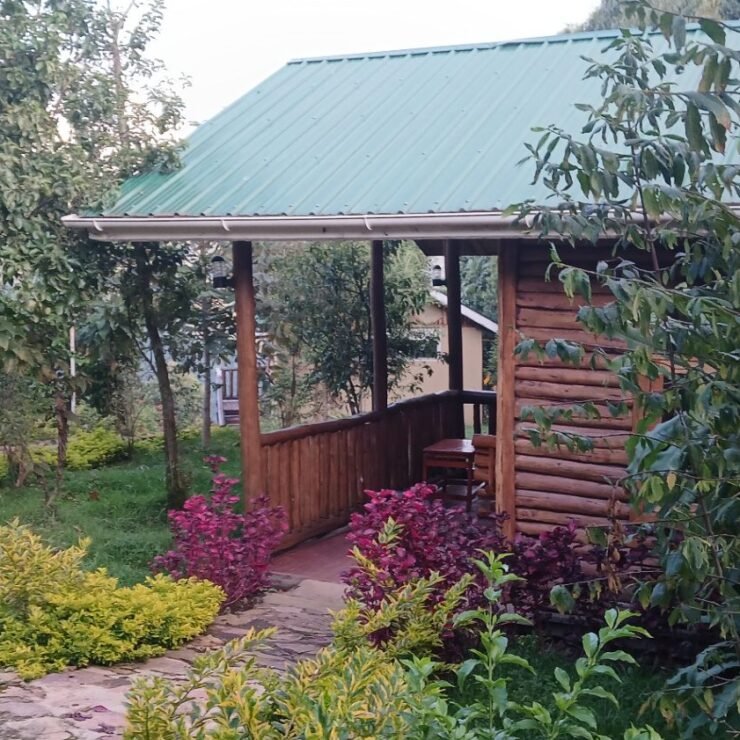
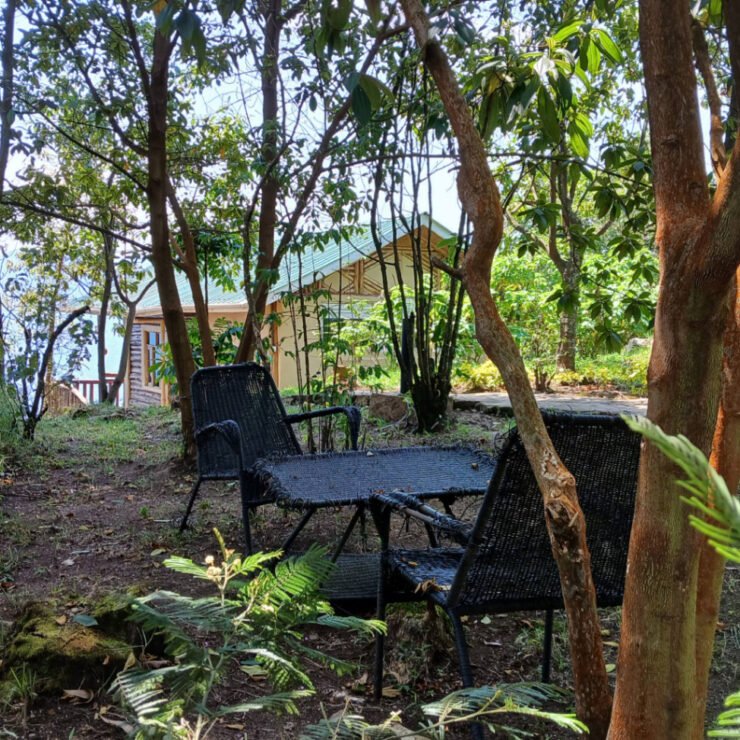
Location matters, especially for the southern sectors. Our lodge offers easy access to Nkuringo gorilla trekking, convenient links for Rushaga gorilla trekking, panoramic Virunga views, and a restful base before and after your trek.
Explore our accommodation options: from cosy single cottages to spacious family suites.
Best Time to Visit Bwindi Based on Your Travel Style
- First-Time Gorilla Trekkers: January, February, June, July
- Photographers: September, October, November
- Budget-Conscious Travellers: March, April, May
- Luxury Travellers: January, February, June, July
- Birdwatchers: March-May and October-November
Best time for gorilla trekking in Bwindi: the bottom line for 2026/2027
Choose June–August or December–February if:
- You want the best chance of drier trails
- You prefer easier conditions for Nkuringo or Rushaga treks
- You’re planning a once-in-a-lifetime gorilla trip and want the classic experience
Choose January or February if photography matters most:
- You want strong natural light and clearer views
- You care about both gorilla photography and scenic landscapes
- You’d like dry-season comfort without waiting for mid-year travel
Choose September if you want balance:
- You prefer fewer crowds
- You still want fairly decent trekking conditions
- You like the idea of a quieter lodge atmosphere
Choose March–May or October–November if:
- You’re flexible and don’t mind wetter trails
- Permit availability matters more than peak-season weather
- You want lush rainforest drama and potentially better accommodation value
Here’s the truth: there’s no wrong time to visit Bwindi for gorilla trekking. Every season brings a different version of the forest, and every version has its own charm. The best time really comes down to what you value most: dry trails, easier permits, greener scenery, or the best overall rhythm for your trip.
And when you’re ready to make it happen, we’ll be here in southern Bwindi with volcano views, warm hospitality, and a well-positioned base for the southern trekking sectors.
Frequently Asked Questions
What is the rainiest month in Bwindi?
Usually April and May are the wettest months in Bwindi, with heavier rainfall and muddier trail conditions.
Can I trek gorillas during the rainy season?
Yes, gorilla trekking happens year-round in Bwindi, including during the rainy season.
Which month has the fewest visitors?
Typically April, May, October, and November see fewer visitors than the main peak months.
Is January better than July for gorilla trekking?
Both are excellent months for gorilla trekking, but July is usually busier and often requires earlier booking.
How far in advance should I book gorilla permits?
For peak season, it is best to book at least 6 months in advance to secure your preferred dates and sector.
Is the best time to visit Uganda for gorilla trekking the same as Bwindi?
Yes. Bwindi Impenetrable National Park is home to the vast majority of Uganda’s gorilla permits, so the best time to visit Uganda for gorilla trekking follows the same seasonal patterns outlined above for Bwindi.
Need Help Choosing the Right Month? Tell us your travel dates, preferred month, fitness level, and whether photography, comfort, or permit availability matters most. We’ll recommend the most suitable Bwindi sector, lodge, and trekking strategy for your trip. Get in touch with us or book your stay at Orugano Bwindi Lodge.