
Last updated: June 2026
Uganda vs Rwanda Gorilla Trekking: Quick Answer
If you want the best value, more safari variety, and access to Gorilla Habituation, choose Uganda. If you want the fastest access and a short-stay format, choose Rwanda. The gorilla encounter rules are the same in both countries, but permit prices, logistics, landscapes, and safari experiences differ significantly.
| Factor | Uganda | Rwanda |
|---|---|---|
| Gorilla Permit | $800 | $1,500 |
| Gorilla Habituation | Yes | No |
| Main Trekking Park | Bwindi | Volcanoes |
| Closest Airport | Kigali or Entebbe | Kigali |
| Drive Time from Kigali | 4 hrs | 2.5–3 hrs |
| Forest Type | Dense rainforest | Bamboo & volcanic slopes |
| Safari Extensions | Excellent | Good |
| Luxury Lodges | Excellent | Excellent |
| Best For | Value & adventure | Speed |
Choosing between Uganda vs Rwanda gorilla trekking in 2026 is not just about picking a destination. It is a serious decision about budget, time, comfort, and the kind of forest experience you want. Both countries offer exceptional, closely regulated encounters with mountain gorillas, but the practical differences between them are now much clearer.
In 2026, Rwanda has firmly established itself as the ultra-luxury, fast-access option. Uganda, meanwhile, continues to stand out for stronger permit value, a more immersive rainforest setting, broader safari extensions, and the specialist advantage of Gorilla Habituation. If you are comparing logistics, Bwindi gorilla trekking permits, lodge pricing, trek difficulty, and photographic conditions, this guide gives you the honest side-by-side view.
Why Trust This Comparison?
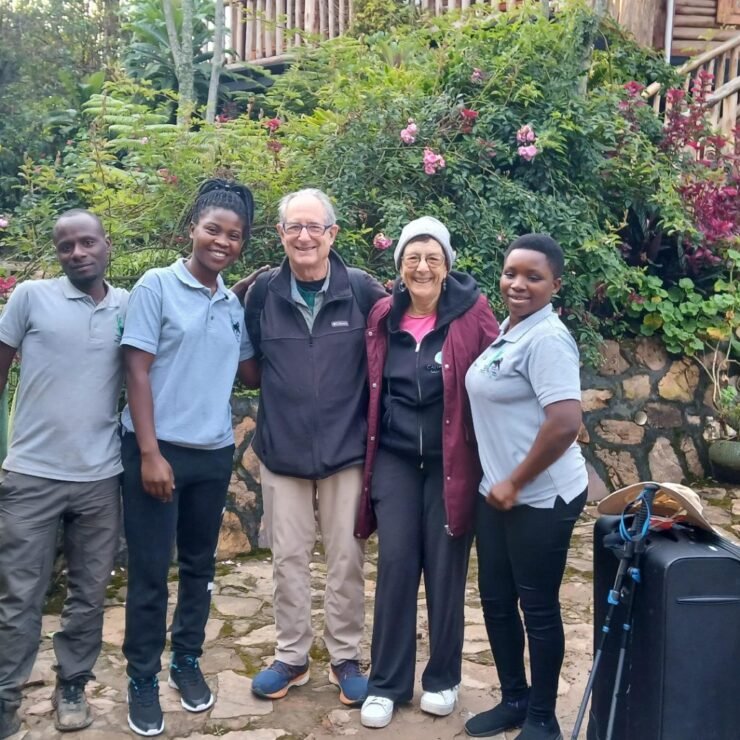
We are not comparing these destinations from a distance. Located just minutes from the Nkuringo briefing point, we regularly assist travellers comparing Uganda and Rwanda gorilla trekking permits, accommodation, transfer routes and safari extensions. Our team lives and works in the gorilla trekking region year-round.
That perspective matters. We understand the practical trade-offs on the ground, from the reality of the Kigali to Bwindi route to the difference between Nkuringo and Rushaga, the rhythm of a Rwanda short-stay trip, and what guests actually value after the trek is over. In other words, this is not brochure-level comparison. It is built from real itinerary planning in the gorilla trekking region.
1. The 2026 Verdict
In 2026, the gap between Uganda and Rwanda is clearer than ever. Rwanda has doubled down on a premium speed model: higher permit costs, quicker airport access, polished logistics, and a strong ultra-luxury positioning around Volcanoes National Park. Uganda, on the other hand, remains the more immersive option, with lower permit prices, deeper rainforest scenery, broader safari combinations, and the added advantage of Gorilla Habituation in Bwindi. For many travellers, the real decision comes down to time versus depth. If you want the shortest, smoothest gorilla trip, Rwanda makes sense. If you want better overall value, more itinerary flexibility, and a stronger sense of wild forest adventure, Uganda continues to be the more rounded choice.
| Feature | Uganda (Bwindi & Mgahinga) | Rwanda (Volcanoes National Park) |
|---|---|---|
| Permit Cost | USD $800 | USD $1,500 |
| Landscape | Ancient, dense rainforest; deep ridges | Volcanic slopes; bamboo forests |
| Ease of Trek | Generally more demanding (Bwindi) | Generally easier (bamboo zones) |
| Accessibility | 40 Minute flight or 10h Safari drive from EBB / 4h from Kigali | 2.5-3h drive from Kigali |
| Special Experience | Gorilla Habituation (4 hours) | Exclusive 1-hour treks |
| Accommodation | Authentic, scenic, ridge-top luxury | International ultra-luxury brands |
| Best For | Value, photography, and deep nature | Speed, luxury, and short itineraries |
2. The Financial Reality: Permits and Beyond
The most immediate difference is the price of admission. In 2026, a gorilla permit in Rwanda costs USD $1,500, nearly double Uganda’s USD $800.
For a couple, trekking twice is where the gap becomes very real. The price difference can be USD $2,800, which is enough to cover several extra nights at a high-quality Bwindi lodge, private transfers, golden monkey trek or a chimpanzee extension.
Hidden Costs & Value Additions
- Rwanda: Often pairs naturally with very high-end lodges, where rates commonly range from USD $1,500 to $4,000 per night.
- Uganda: Gives you more flexibility across mid-range and luxury options, especially in southern Bwindi sectors of Nkuringo and Rushaga.
- Uganda via Kigali: This is the practical value move. You land in Kigali, drive to Bwindi, and keep the lower Uganda permit rate while still benefiting from Kigali’s easier access.
For official rates and policy updates, always check the Uganda Wildlife Authority and Visit Rwanda.
3. Accessibility: Kigali to Bwindi: The Smart Route vs. The Entebbe Slog
Logistics are often the final deciding factor.
Rwanda: The Shortest Route
Volcanoes National Park is just 2.5 to 3 hours from Kigali International Airport. If you only have two or three days, Rwanda is hard to beat. You can arrive in Kigali, transfer quickly, trek the next morning, and fly onward with very little operational friction.
Uganda: The Strategic Route
Bwindi used to be dismissed as the harder option because of the long 9 to 10-hour drive from Entebbe. That is still true if you enter Uganda conventionally by road. But in 2026, many experienced travellers choose the smarter route: Kigali to Bwindi.
- Cyanika or Katuna border: From Kigali, you can reach southern Bwindi sectors such as Nkuringo and Rushaga in about 4 to 5 hours, depending on the border and road conditions.
- The advantage: You use Kigali as your arrival point, but trek in Uganda where permit value is much stronger.
- Visa note: The East African Tourist Visa (USD 100) is often the most practical option for travellers combining Rwanda and Uganda.
Why Many Kigali Arrivals Choose Nkuringo
For travellers landing in Kigali and trekking in Uganda, Nkuringo is often the most strategic choice. It is one of the closest Bwindi sectors to Kigali, which makes it especially practical for cross-border itineraries that want Uganda’s permit value without the longer Entebbe road journey.
Nkuringo also appeals for reasons beyond geography. It generally feels quieter than Buhoma, the views across the forest and toward the Virunga volcanoes are exceptional, and you still remain close to Rushaga, where Gorilla Habituation is available. In other words, Nkuringo gives you convenience, scenery, and access to one of Uganda’s most distinctive gorilla experiences without trying too hard to be dramatic about it.
For travellers comparing sectors, this is one reason southern Bwindi keeps coming up in serious itinerary planning. You can also explore our guides to Nkuringo vs Rushaga and the wider Bwindi Impenetrable National Park Guide.
4. The Trekking Experience: Bwindi vs. Volcanoes
The actual forest experience is where the two destinations begin to feel very different.
Are the Gorillas Different?
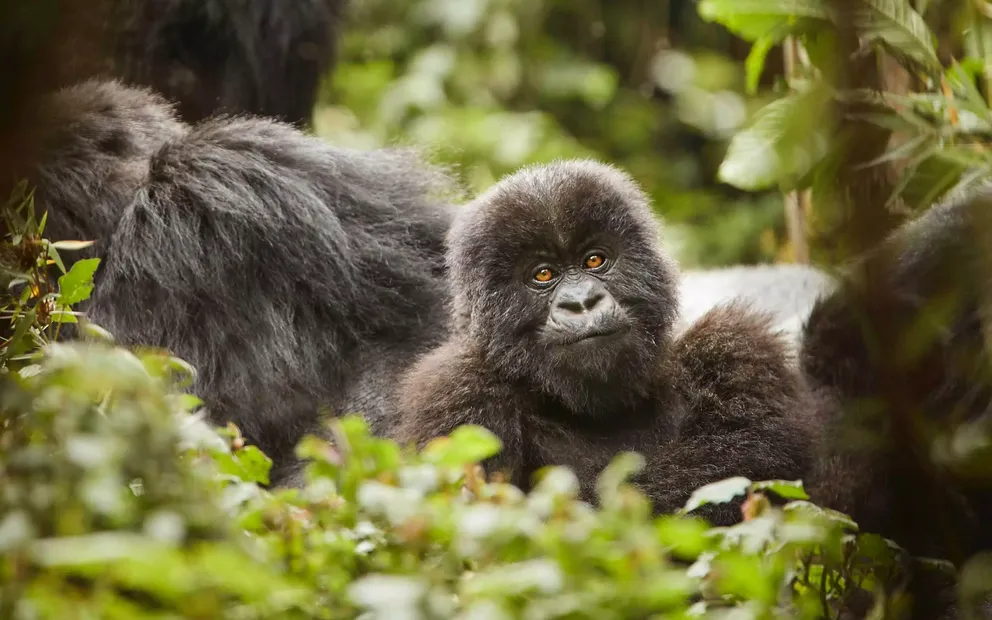
No. The gorillas you see in Uganda and Rwanda are the same species: mountain gorillas. The core encounter rules are also effectively the same. In both countries, gorilla trekking is tightly regulated, group sizes are limited, and visitors spend up to one hour with a habituated gorilla family during a standard trek.
That means the real differences are not about the animals themselves. They are about permit cost, terrain, vegetation, access, photography conditions, and the overall style of the trip. Uganda does add one important exception through Gorilla Habituation, which allows longer time in the forest, but that is a different permit category rather than a different gorilla species or a different standard trekking rule.
So if you are wondering whether Rwanda has “better gorillas” or Uganda has “bigger gorillas”, the short answer is no. The choice is really about the setting and the travel experience around the trek.
Landscape & Vegetation
- Rwanda (Volcanoes National Park): Gorilla families often range through bamboo forest and volcanic foothills. The vegetation can feel more open, with cleaner lines of sight and brighter conditions for photography.
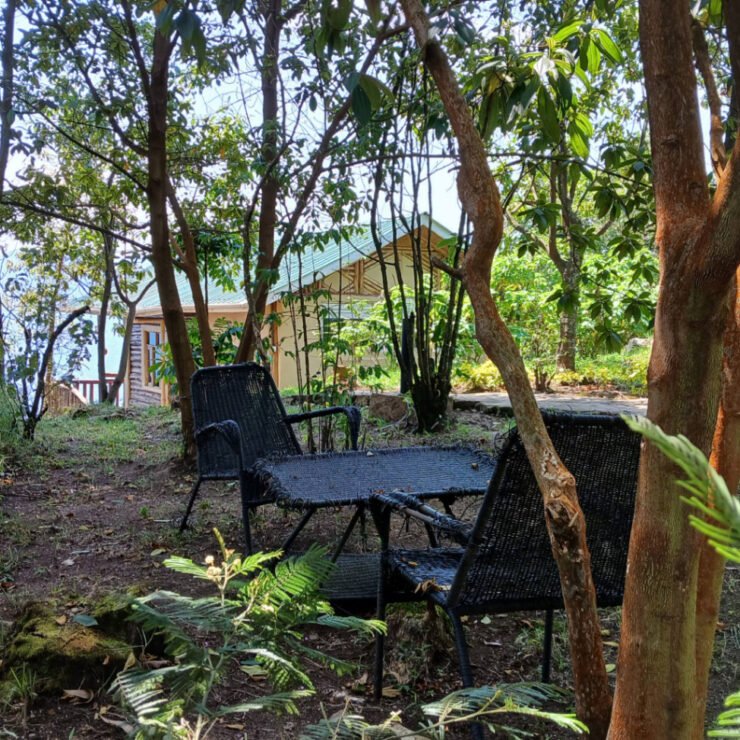
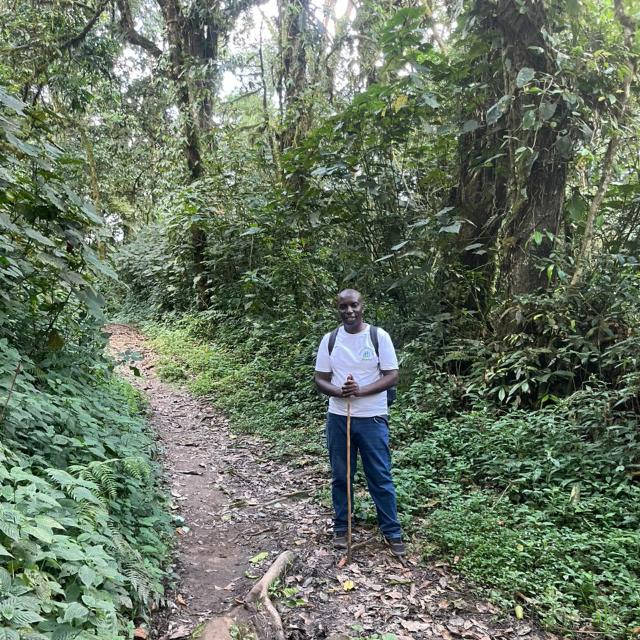
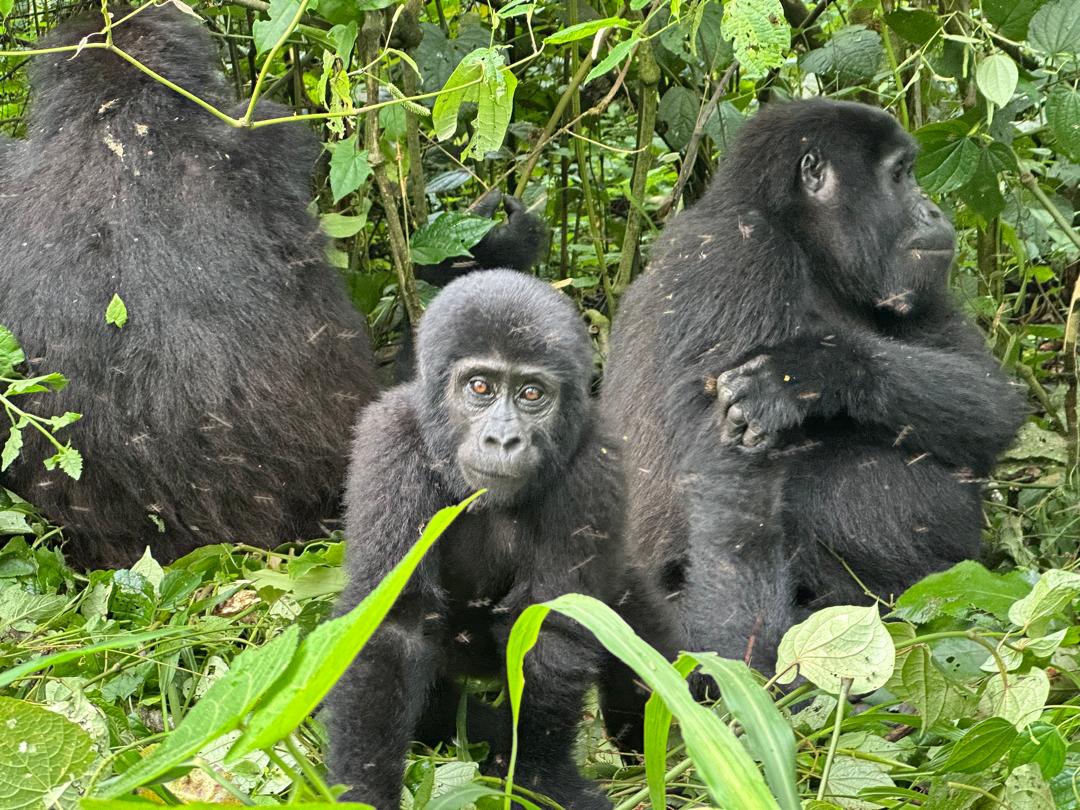
- Uganda (Bwindi): Bwindi is older, denser, and more atmospheric. You are trekking through true montane rainforest, with tangled vegetation, giant trees, steep ridges, mist, and darker undergrowth.
Trek Difficulty
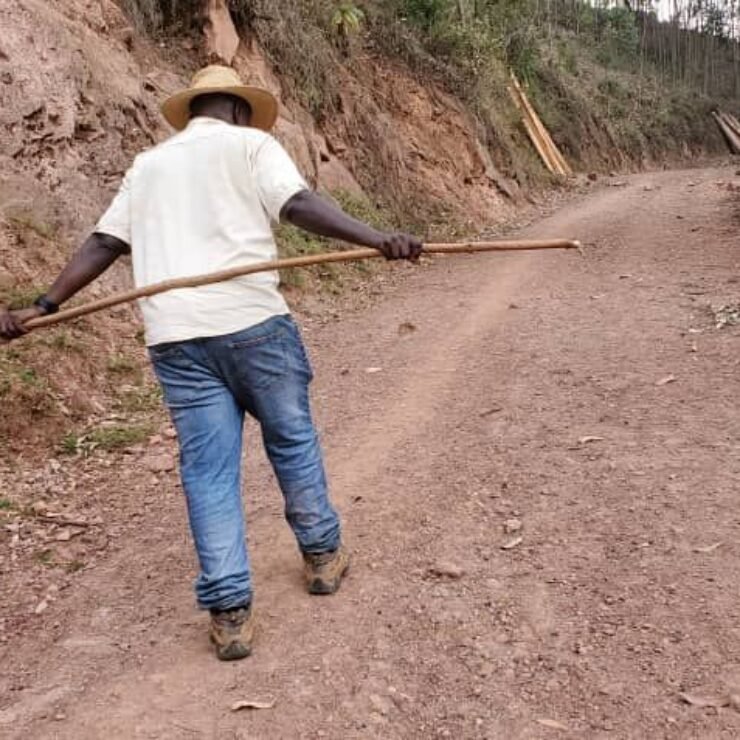
- Nkuringo Sector (Uganda): Widely known for steep ridges and demanding climbs. It is one of the more physically challenging parts of Bwindi, but also one of the most scenic.
- Rushaga Sector (Uganda): Usually offers more gorilla families and more route variety, which can help with availability and matching trek profiles.
- Volcanoes National Park (Rwanda): Altitude still matters, and some treks are demanding, but the trails often feel clearer and less enclosed than Bwindi’s.
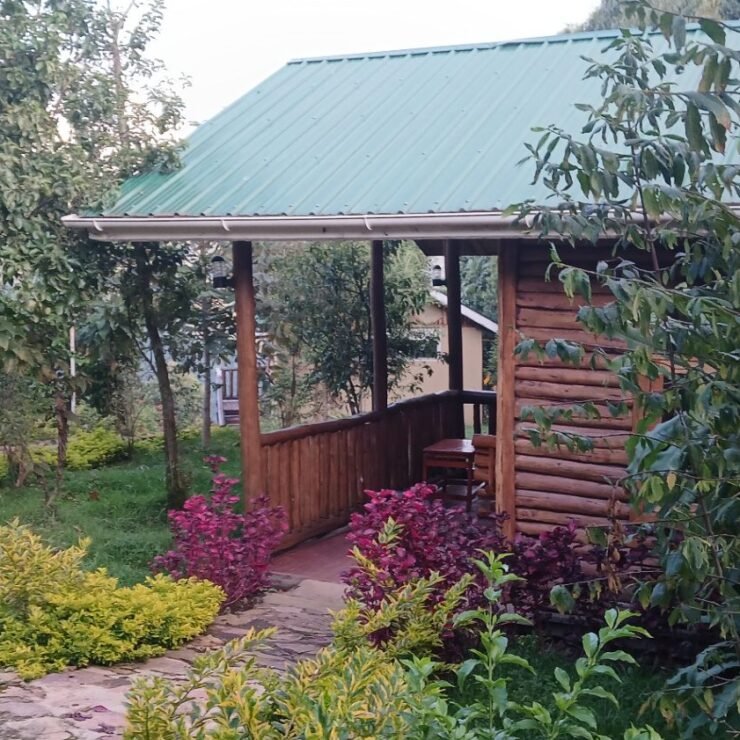
For travellers staying at Orugano Bwindi Lodge, the advantage is that you are already well positioned for southern Bwindi trekking while enjoying expansive ridge-top views over the forest and toward the Virunga volcanoes.

5. Exclusive to Uganda: The Gorilla Habituation Experience
If you are a serious primate enthusiast, this is often the tie-breaker. Rwanda does not offer Gorilla Habituation.
In Uganda’s Rushaga and Nkuringo sectors, you can book a Gorilla Habituation Permit (USD $1,500; USD $1,800 from 1 January 2027).
- Standard Trek: Up to 1 hour with a habituated gorilla family
- Habituation Experience: Up to 4 hours with a semi-habituated family
- What makes it different: You join trackers, rangers, and researchers as they work with gorillas that are still getting used to human presence
It is more immersive, more educational, and generally more demanding than a standard trek. For photographers, wildlife enthusiasts, and repeat Africa travellers, that additional time in the forest can be the strongest argument for choosing Uganda.
6. Luxury Accommodation: International Brands vs. Local Soul
Rwanda and Uganda both offer high-end stays, but the feeling is different.
Rwanda’s Ultra-Luxury
Rwanda is known for internationally recognised names such as Singita Kwitonda, One&Only Gorilla’s Nest, Bisate Lodge, and Sabyinyo Silverback. These properties are highly polished, design-forward, and deeply premium in price.
Uganda’s Authentic Luxury
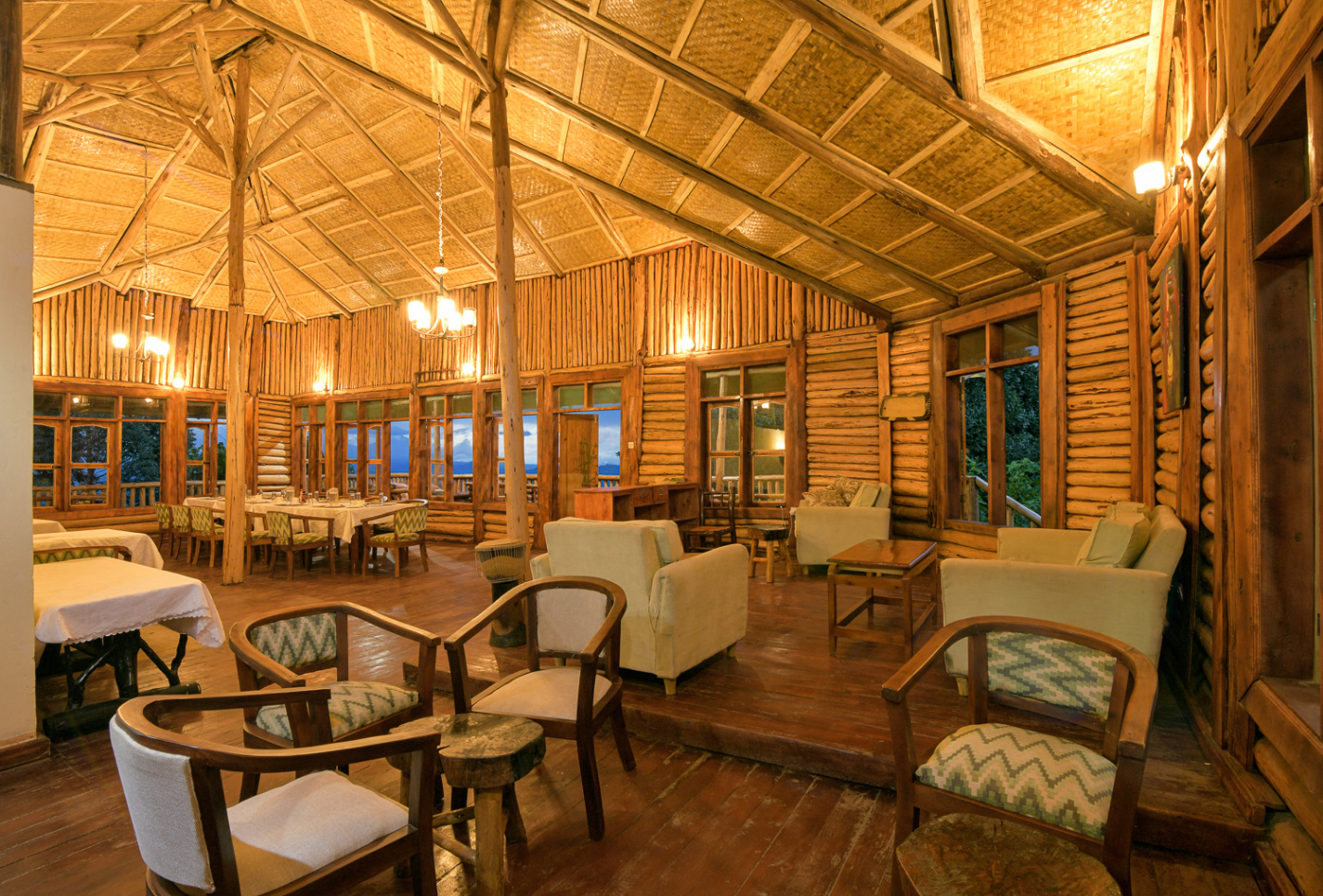
Uganda’s luxury properties tend to be more intimate and more closely connected to the surrounding forest environment. In southern Bwindi, places like Orugano Bwindi Lodge focus on atmosphere, views, comfort, and access rather than a heavily staged resort style.
In Nkuringo, the appeal is simple in the best possible way:
- quiet ridge-top scenery
- immersive forest surroundings
- elegant comfort rooted in place
- a slower rhythm after the trek
For many travellers, that feels like the better kind of luxury. Not louder, just more meaningful.
7. Photography: Sightlines and Lighting
For photographers, the choice is not just about the gorillas. It is also about the forest itself.
- Choose Rwanda if: You want cleaner backgrounds, brighter conditions, and bamboo zones that often create simpler compositions.
- Choose Uganda if: You want mood, depth, and that classic rainforest atmosphere. Bwindi gives you mist, darker greens, layered vegetation, and images that feel more dramatic, though technically more demanding.
In practical terms, Uganda often rewards photographers who are comfortable shooting in lower light and working with more visual complexity.
8. Itinerary Synergies: Beyond the Primates
The gorilla trek may be the headline, but many guests want more than one wildlife moment.
Uganda: The Full Safari
Uganda is easier to build into a longer and more varied itinerary. From Bwindi, you can combine your trek with:
- Mgahinga National Park for golden monkey trekking
- Queen Elizabeth National Park for game drives and Kazinga Channel boat cruises
- Kibale Forest for chimpanzee tracking
- Lake Bunyonyi for a slower recovery stop after trekking
- community and cultural experiences around Nkuringo
Rwanda: Compact and Polished
Rwanda works well for short combinations with:
- Akagera National Park
- Nyungwe Forest
- a short Kigali city stay
Rwanda is efficient and polished, but Uganda usually offers more safari depth if you want the gorillas to be part of a broader journey.
9. Honest Pros and Cons
Rwanda
- Pro: Short drive times, polished logistics, and easy integration with tight schedules
- Con: Much more expensive, especially once permits and lodge standards are matched
Uganda
- Pro: Better permit value, Gorilla Habituation, richer safari extensions, and dramatic ridge-top scenery in southern Bwindi
- Con: Longer logistics if routed via Entebbe and generally more demanding trekking conditions
10. The Verdict: Who Should Choose What?
The fast and premium traveller: Choose Rwanda. If you only have 48 to 72 hours and want the smoothest possible access, Rwanda is the operational winner.
The nature enthusiast and photographer: Choose Uganda. The forest atmosphere, greater safari flexibility, and Gorilla Habituation option create a deeper primate experience.
The value seeker who still wants comfort: Choose Uganda via Kigali. You land in Rwanda, drive into southern Bwindi, and stretch your budget much further without sacrificing quality.
For many travellers planning ahead for 2026, Uganda remains the more rounded option. And if your focus is southern Bwindi, Orugano Bwindi Lodge offers one of the most scenic and restorative bases in Nkuringo.
Essential Reading
If you are still weighing up the details, these guides will help you go deeper:
- Ultimate Guide to Gorilla Trekking in Uganda
- Gorilla Habituation Experience in Bwindi
- Kigali vs Entebbe Airport for Gorilla Trekking
- Is Gorilla Trekking Hard?
- Best Time to Visit Bwindi
- Nkuringo vs Rushaga
- Bwindi Impenetrable National Park Guide
Frequently Compared Questions
Is Uganda or Rwanda better for gorilla trekking?
It depends on what matters most to you. Uganda is usually better for travellers who want stronger value, a deeper rainforest setting, more safari extensions, and the option of Gorilla Habituation. Rwanda is better for travellers who prioritise speed, easier airport access, and a short high-end itinerary.
Why is Rwanda gorilla trekking more expensive?
Rwanda has deliberately positioned gorilla trekking as a premium tourism product. The higher permit price supports a luxury-led model built around short access times, high-end lodges, and tightly packaged experiences near Kigali. Uganda, meanwhile, has kept permits lower and tends to offer more flexibility across budget levels and itinerary styles.
Is Bwindi better than Volcanoes National Park?
Not automatically, but it is often better for travellers who want a more immersive forest experience. Bwindi feels older, denser, and more atmospheric, while Volcanoes National Park is more open in places and usually easier to reach. If you love dramatic rainforest scenery and safari combinations, Bwindi often wins. If you want efficiency and polished logistics, Volcanoes makes a strong case.
Can I trek gorillas from Kigali?
Yes, absolutely. You can trek in Rwanda from Kigali with a straightforward 2.5-3 hour drive to Volcanoes National Park. You can also land in Kigali and cross into Uganda for trekking in southern Bwindi, especially Nkuringo and Rushaga, usually in about 4 to 5 hours depending on the border crossing.
Which country has more gorillas?
Uganda generally has the advantage in terms of broader trekking options because Bwindi Impenetrable National Park has more habituated gorilla families spread across multiple sectors, with Mgahinga adding another trekking option. Rwanda has excellent gorilla trekking, but its experience is concentrated in Volcanoes National Park.
FAQ: Frequently Asked Questions
Is the trek easier in Rwanda or Uganda?
Generally, Rwanda’s bamboo zones are easier to navigate than Uganda’s dense rainforest. That said, both destinations require a reasonable level of fitness, and some Rwanda treks can still be demanding. If you want a fuller breakdown, read Is Gorilla Trekking Hard?.
Can I visit both in one trip?
Yes. Many travellers land in Kigali, trek in Rwanda, and then continue into Uganda for a second trek or Gorilla Habituation. The East African Tourist Visa (USD 100) can simplify travel between the two.
What is the best month to go?
The drier months from June to August and December to February are usually best for trail conditions. For a full seasonal breakdown, read our guide on the Best Time to Visit Bwindi.
Is it safe to drive from Kigali to Uganda?
Yes. The routes via Cyanika and Katuna are standard tourist crossings and are widely used for gorilla trekking itineraries. For a route-focused comparison, see Kigali vs Entebbe Airport for Gorilla Trekking.
Which sector of Bwindi is best for southern access?
For many travellers entering via Kigali, Nkuringo and Rushaga are the most practical southern sectors. If you are comparing the two, read Nkuringo vs Rushaga.
Need Help Choosing?
Not sure whether Uganda or Rwanda is the better fit for your travel style and budget? We help travellers compare permits, lodges, transfer options and trekking sectors before they book. Contact our team for impartial advice and a personalised gorilla trekking itinerary.