
Let’s be real for a second: is gorilla trekking in Uganda worth it? It’s a question we hear a lot at Orugano Bwindi Lodge. When you factor in the flights, the bumpy roads, the $800 permit, and the potential for a very muddy pair of boots, you’re looking at a significant investment of both time and money. That is exactly why so many travellers type is gorilla trekking in Uganda worth it before they commit.
In 2026, the travel world is louder than ever. You have endless choices for wildlife encounters, from the Serengeti plains to the South African bush. But standing five metres away from a 200kg Silverback in the heart of the Bwindi Impenetrable National Park isn’t just another “wildlife encounter.” It’s a moment that shifts your perspective on what it means to be human.
If you’re wondering whether you should pull the trigger on that booking, here is our honest, no-nonsense guide to whether gorilla trekking is truly worth your hard-earned money this year. In short, if you have been asking yourself is gorilla trekking in Uganda worth it, this guide will help you answer that with real context, not just brochure talk.
Uganda vs Rwanda: Which Gives Better Value?
The price gap is the first thing most travellers notice. Uganda’s gorilla permit is $800. Rwanda’s is $1,500. That alone changes the conversation.
Here is the simple side-by-side view:
| Feature | Uganda | Rwanda |
|---|---|---|
| Permit | $800 | $1500 |
| Terrain | Rugged & Denser | Steeper but clearer |
| Vibe | Raw & Authentic | High-end Luxury |
| Travel | Longer overland | Faster Kigali access |
Uganda usually wins for travellers who want depth, stronger value, and a forest experience that still feels properly wild. Rwanda appeals to those who want shorter transfers and a more polished luxury flow.
That said, the core encounter in Uganda is hardly a compromise. The success rate is over 99% — though, as with any wild gorilla encounter, never guaranteed — groups are limited to 8 people per trek, and rangers enforce the 7–10 metre distance rule to protect the gorillas while still allowing a deeply powerful encounter.
Your permit also helps fund trackers, ranger teams, conservation work, and community benefit-sharing around Bwindi. So yes, the $800 is significant. But it is doing real work.
Read: Gorilla Habituation Experience
Guide: Best Time to Visit Bwindi
The Emotional Payoff: The Moment That Quietly Rearranges You
If you’re asking is gorilla trekking in Uganda worth it, this is the part most articles flatten into a cliché. They tell you it is “amazing” or “unforgettable” and move on. Helpful? Not really.
What actually happens is quieter than that. You trek through dripping foliage, hear your own breathing, and follow the ranger in near silence. Then the group stops. No big dramatic soundtrack, no polished safari platform, no neat zoo viewing window. Just a shift in the air, a hand signal, and the sudden awareness that a wild gorilla family is right there.
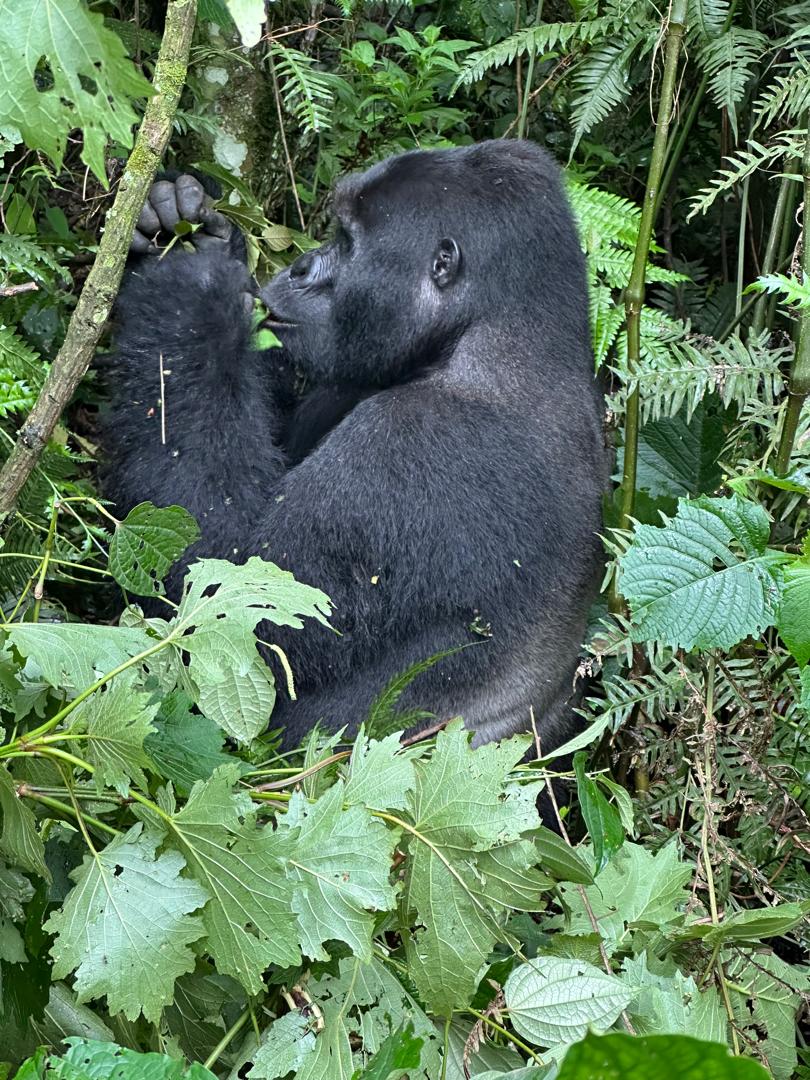
The first eye contact with a silverback can feel almost disarming. Not because he does anything theatrical, but because he doesn’t need to. He sits with that impossible mix of power and calm, watching the forest as if he owns time itself. And for a few seconds, you stop thinking about your boots, your camera, your permit, your inbox, all of it. The forest goes hushed. People lower their voices without being told. That is the awe Bwindi does best.
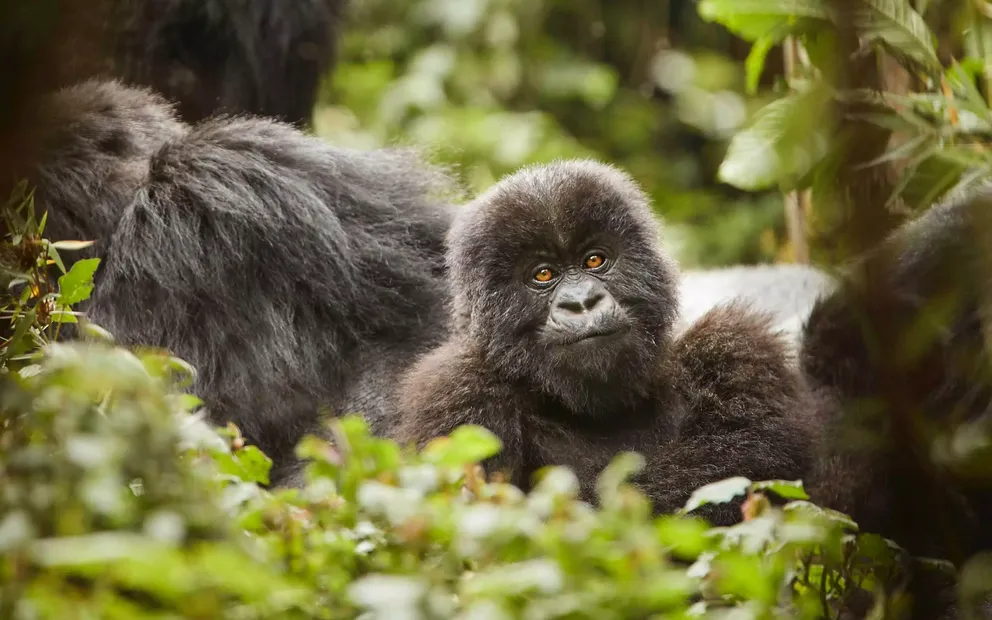
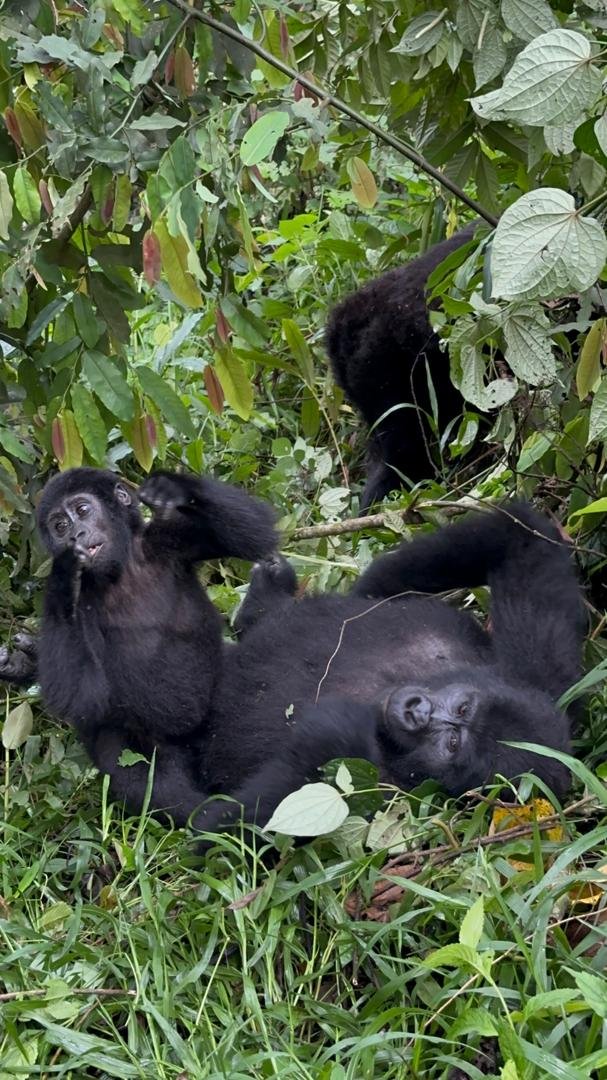
There is a strange, steady intelligence in a gorilla’s eyes. When a mother gathers her infant close or a juvenile barrels through the undergrowth with all the grace of an overconfident toddler, you do not feel like a spectator. You feel like a guest who has been allowed into something ancient and private.
For many travellers, that single encounter answers the question is gorilla trekking in Uganda worth it more clearly than any price comparison ever could. It is not just about seeing gorillas. It is about feeling your sense of scale change.
A Day in the Life: The Realistic Trekking Timeline
This is what the day actually feels like in Nkuringo, not the polished brochure version.
5:30 AM: Wake up
You wake to the smell of eucalyptus smoke and fresh coffee. At dawn, you may also hear the soft, distant calls of colobus monkeys as the forest starts stirring. Nkuringo sits at 2,100 metres, so the air feels cool and clean before the humidity builds.
7:30 AM: Briefing at Nkuringo station
You arrive at the station while the mist lifts over the Virungas. Rangers go through the rules, assign groups, and explain the pace of the day. This is also where the trek stops being an idea and becomes real.
8:30 AM: The climb begins
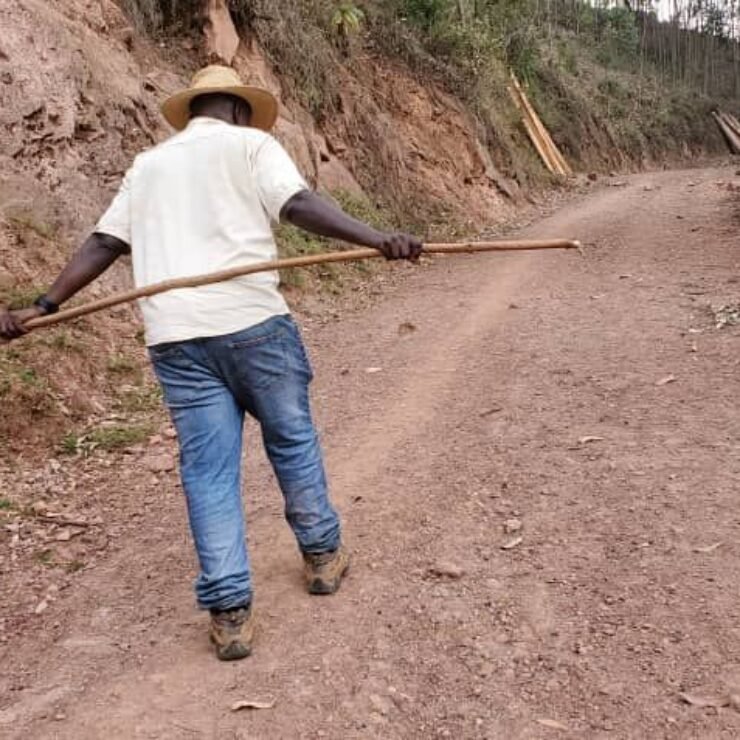
Now the trail reminds you very quickly that Bwindi is a rainforest, not a landscaped park. Porters walk beside guests, often joking in Rukiga, and somehow make the steep bits feel less dramatic.
11:00 AM: Trackers signal
The mood changes fast. A hand gesture, a quiet word on the radio, and suddenly the whole forest seems to lower its voice.
11:15 AM: One hour with the family
This is the part that people fail to describe properly. One hour. Total awe. You are close enough to study expressions, body language, and the calm authority of the silverback, while still respecting the 7–10 metre distance rule.
1:00 PM: Muddy trek back
The return is slower, muddier, and usually full of that half-silent, half-laughing mood that comes after something big. Your legs feel it. So do your boots.
4:00 PM: Boots off at Orugano
You are back at Orugano, boots off, drying by the fireplace. This is where Natural Simplicity makes perfect sense. Warm water, mountain air, a good meal later on, and enough quiet to replay the whole thing in your head.
The Real Challenge: Mud, Humidity, and the Honest Effort
Now for the part some brochures politely skip: this is a trek. Not a scenic stroll. Not a “light nature walk.” A trek.
Bwindi can be muddy, slippery, humid, and steep. Trails often turn into narrow channels of clay. You may duck under branches, step over roots, and climb or descend sharply for longer than expected. In Nkuringo especially, the terrain can be properly demanding. Beautiful, yes. Also unapologetically physical.
Expect:
- Mud that clings to your boots and occasionally tries to keep them.
- Humidity that makes your shirt stick to your back before the real climb even begins.
- Steep slopes that test your legs on the way down just as much as on the way up.
- Real fatigue by the end of the experience, especially if you are coming from sea level.
None of that is a reason not to go. It is the reason the experience feels earned. The effort sharpens the reward. Still, honesty matters here. If you are wondering is gorilla trekking in Uganda worth it, you deserve the full picture, not the polished version.
The good news? You do not need to be an elite athlete. You need reasonable mobility, a bit of grit, and the humility to go slowly. Hiring a porter is not a luxury add-on. It is one of the smartest decisions you can make.
For official permit and conservation information, it is always wise to review guidance from the Uganda Wildlife Authority.
Who Usually Loves Gorilla Trekking in Uganda?
Not every traveller wants the same kind of reward. Gorilla trekking tends to resonate most deeply with a few very specific types of people.
1. Nature Addicts
These are the travellers who do not need polished entertainment. They want mist, birdsong, giant ferns, and the thrill of being somewhere that still feels genuinely wild. If you love forests more than infinity pools, you will probably get it immediately.
2. Bucket-Listers
Some trips sit on the list for years for a reason. Gorilla trekking is one of those rare experiences that still feels bigger in real life than it does on paper. No small achievement in modern travel, honestly.
3. Legacy-Builders
These are the travellers who want their money to do more than create a nice holiday. They want stories worth passing on, family memories with depth, and travel choices that support conservation and local livelihoods. Gorilla trekking fits that mindset beautifully.
Photography Realities: The Shot Is Great, but the Moment Is Better
Yes, you can take photos. No, it is not always easy.
Bwindi is a dense rainforest, which means:
- Low light under the canopy
- Dense foliage between you and the gorillas
- Fast-changing angles as the family moves
- Moisture and mist that can challenge lenses and visibility
If photography matters to you, bring a camera that handles low light well and avoid relying entirely on your phone. At the same time, be prepared for the best part of the hour to happen when you stop fiddling with settings and simply look up.
This is the part many guests remember most. There is often a point when the camera drops to your side, the shutter stops, and you realise the best memory of the trek may never sit on an SD card. Good. Some experiences are better carried than captured.
Who Should Not Do Gorilla Trekking?
Let’s be blunt. Gorilla trekking is not for everyone, and that is perfectly fine.
You should think twice if:
- You hate mud and get grumpy the second your trousers are wet.
- You cannot handle steep or uneven slopes for several hours.
- You want a tidy, effortless wildlife viewing setup.
- You expect animals to perform on cue like they are part of a show.
- You are looking for a zoo-style encounter with guaranteed clear views from a comfortable platform.
Bwindi is wild, beautiful, and unpredictable. That is exactly why people love it. But if what you really want is easy access, polished paths, and zero discomfort, this may not be your trip.
The “Nkuringo Advantage”: Why Where You Trek Matters
Bwindi is divided into four sectors: Buhoma, Ruhija, Rushaga, and Nkuringo. If you want the most authentic, raw, and visually stunning experience, we always point people toward the Nkuringo sector. In other words, if you are still weighing up is gorilla trekking in Uganda worth it, the sector you choose can make a real difference.
Nkuringo is the expert’s choice for a few reasons. Firstly, the views are unparalleled. On a clear day, you can see the Virunga Volcanoes stretching out into the clouds. Secondly, the trekking here is notably challenging, which often means thinner crowds and a stronger sense of immersion.
It also sits at 2,100 metres, which shapes the whole experience. The mornings feel cooler, the climbs hit a bit harder, and the forest atmosphere feels properly highland and dramatic.
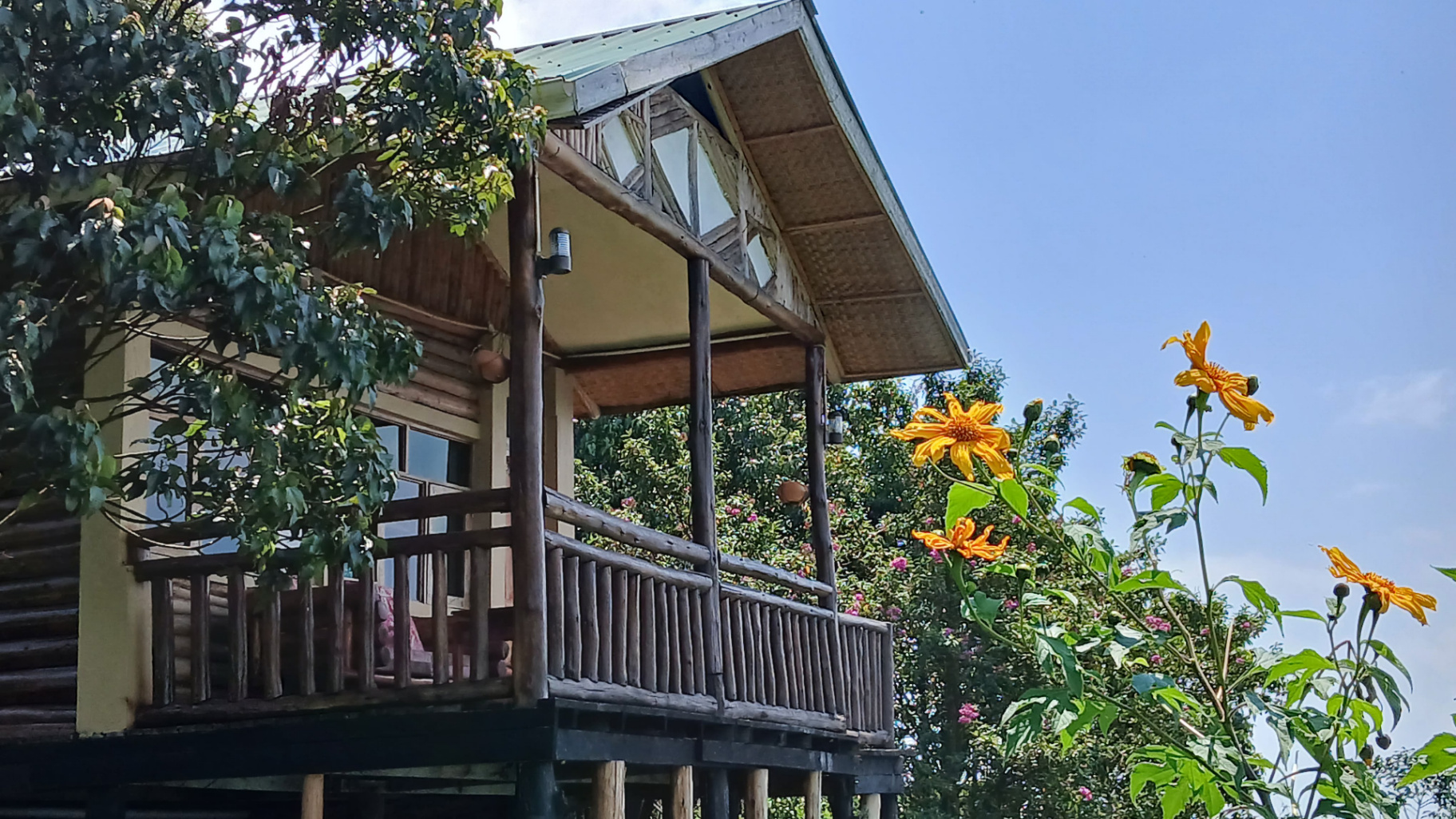
When you stay at Orugano Bwindi Lodge, you are positioned right on the edge of this majestic sector. Our lodge is built on the philosophy of Natural Simplicity. We believe that after a day of intense physical exertion in the forest, you do not need overcomplicated luxury. You need a hot shower, a roaring fire, a comfortable double bed, and a view that lets your soul breathe.
Conservation: Your Permit is a Lifeline
Is it worth it for the gorillas? Absolutely. In the 1980s, mountain gorillas were on the brink of extinction. Today, thanks to the revenue generated by tourism, the population has grown to over 1,000 individuals.
When you purchase a permit through the Uganda Wildlife Authority, a portion of that money goes directly back to the local communities. This is vital. When local people benefit from the gorillas being alive, through jobs as porters, lodge staff, guides, trackers, and community projects, they become the forest’s fiercest protectors. By trekking, you are actively participating in one of the world’s most successful conservation stories. If your version of is gorilla trekking in Uganda worth it includes ethical travel and real conservation value, that matters a lot.
Is it Too Difficult? (The Physicality Factor)
We have to be honest here, this isn’t a walk in the park. It’s a hike in a rainforest. The altitude in Nkuringo is around 2,100 metres, which can make you breathe a bit harder if you’re coming from sea level.
However, “worth it” also means accessible. You don’t need to be a marathon runner. We’ve had guests in their 70s complete the trek successfully. The key is to hire a porter (highly recommended!) and to take your time. The rangers are incredibly patient and will adjust the pace to the slowest member of the group. So if your biggest concern behind is gorilla trekking in Uganda worth it is fitness, the honest answer is that it is challenging, but still very achievable for many travellers.
The Orugano Experience: Your Home in the Clouds
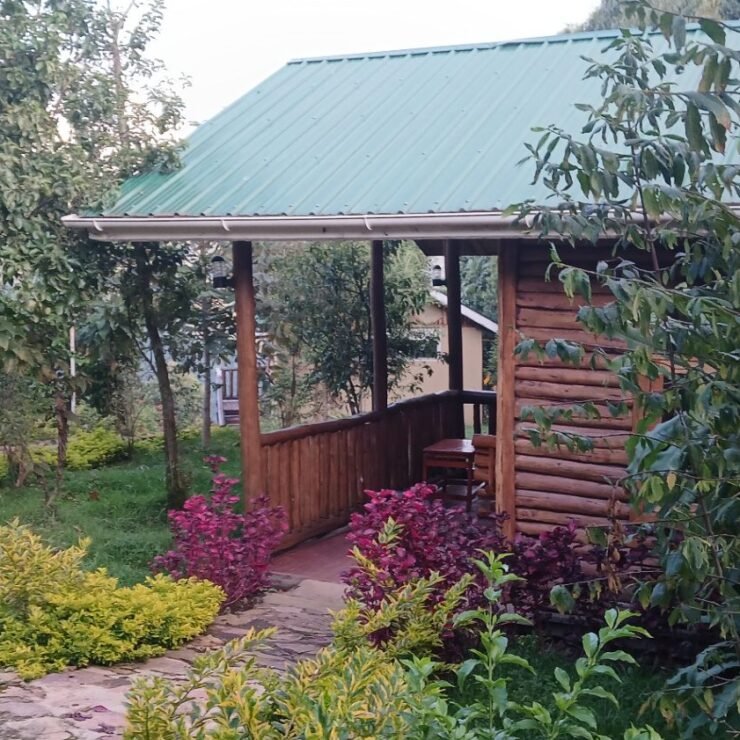
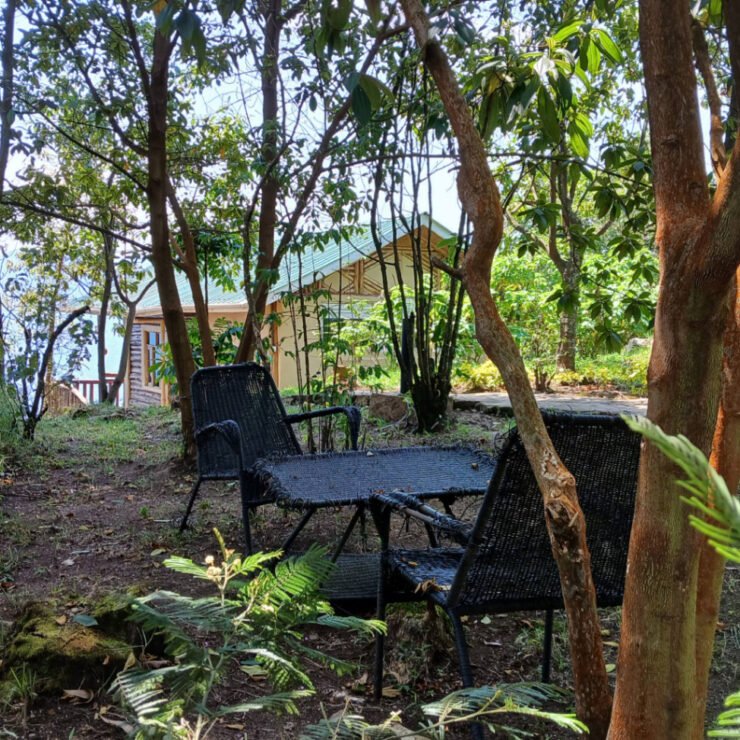
Part of what makes the trip “worth it” is where you lay your head at night. At Orugano Bwindi Lodge, we’ve designed our space to complement the forest, not compete with it.
Our lodge is built around Natural Simplicity. After a demanding day in Bwindi, that philosophy makes perfect sense. You come back muddy, a little tired, and very aware that comfort is not a silly extra. It is part of the whole experience.
Our rooms feature balconies that look directly out over the misty canopy. We offer a luxury safari lodge experience that focuses on what matters most after the trek: a hot shower, a comfortable bed, a quiet place to breathe, free Wi-Fi if you want to share the news, and a writing desk if you would rather sit with the feeling for a while.
There is also the simple reward of returning to warmth. Coffee after the chill of the forest. A fireplace in the evening. A good meal without fuss. And the huge advantage of staying just minutes from the Nkuringo briefing point, so your morning starts with calm rather than a long transfer.
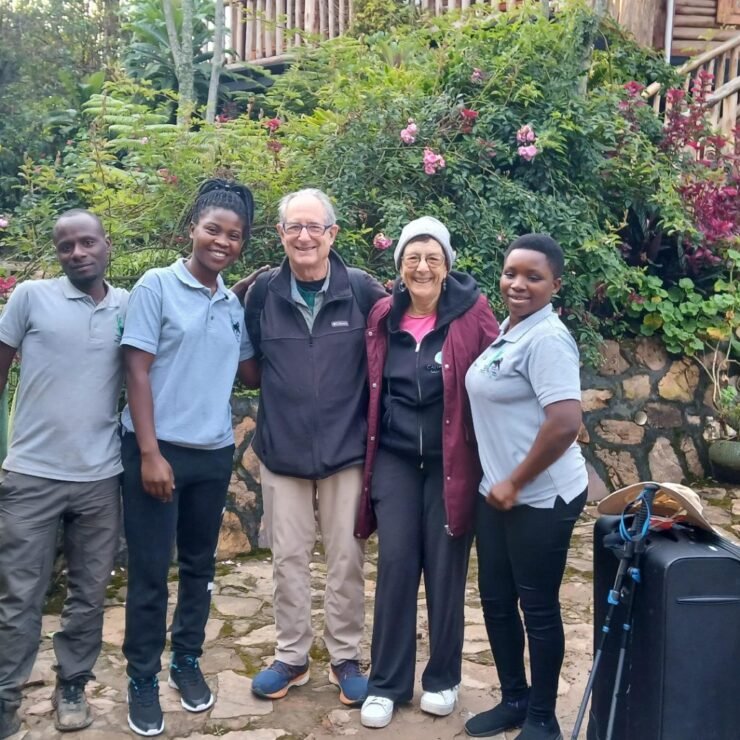
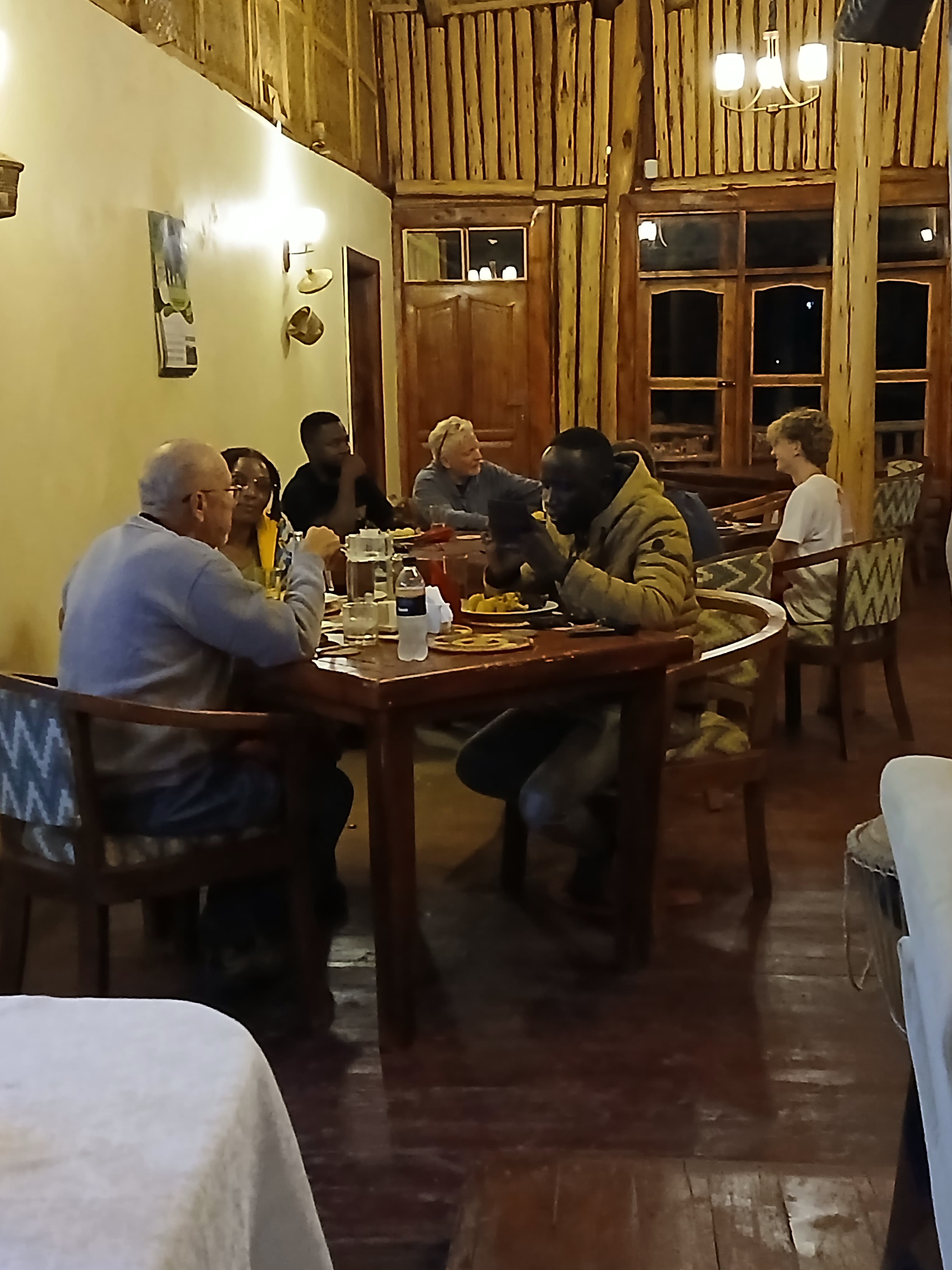
The communal spirit at our lodge is something special. Every evening, guests gather in our restaurant to swap stories of their encounters over a glass of wine and a delicious, locally-sourced dinner. It is often in those post-trek conversations that people finally say it out loud: yes, it really was worth it.
The Verdict: Is it Worth it in 2026?
If you are looking for a sterile, predictable holiday, perhaps not. If you want a zoo experience, definitely not. But if you are looking for a journey that tests your legs, opens your heart, and reconnects you to the natural world in a way that feels genuinely rare, then gorilla trekking in Uganda is worth every single cent.
The value is not only in the sighting. It is in the build-up, the effort, the silence, the conservation impact, and the strange calm that follows the encounter. The savings compared to Rwanda, the biodiversity of Bwindi, and the depth of the experience make this one of the most meaningful bucket-list journeys in East Africa.
For most travellers who come prepared and choose the right base, is gorilla trekking in Uganda worth it stops being a search query and becomes a very easy yes.
Quick Tips for Your 2026 Trek:
- Book Early: Permits for the peak seasons (July-September) often sell out 6 months in advance.
- Stay in Nkuringo: For the best views, fewer crowds, and easy access to the start, this sector is hard to beat.
- Pack Right: You’ll need gardening gloves, sturdy waterproof boots, long trousers, and a waterproof jacket.
- Hire a Porter: It costs about $20 plus a tip, and it’s the best money you’ll spend all trip.
- Manage Expectations: You are entering a rainforest, not a studio. Bring patience, not perfectionism.
Ready to Turn the Question Into a Plan?
If this sounds like your kind of adventure, stay close to the forest and give yourself the recovery you will actually appreciate afterwards.
Book Your Stay at Orugano Bwindi Lodge
Request Your Gorilla Trekking Itinerary
Frequently Asked Questions
How long do I get to spend with the gorillas?
The standard permit allows for exactly one hour from the moment you locate the family. This is strictly enforced to minimise stress on the animals.
What are the chances of actually seeing the gorillas?
The success rate is over 99%, thanks to trackers who head into the forest early and coordinate with ranger teams before your group enters.
How many people are allowed in one trekking group?
Uganda limits each gorilla trek to 8 people, which helps keep the encounter low-impact and more intimate.
How close do you get to the gorillas?
The official rule is to keep a 7–10 metre distance. In dense forest, the encounter can still feel incredibly close.
Is it safe?
Yes. You are accompanied by armed UWA rangers at all times. The gorillas are habituated, meaning they are used to human presence and do not view you as a threat.
What is the minimum age?
The minimum age for gorilla trekking in Uganda is 15 years old.
Can I trek if I have a cold?
Unfortunately, no. Because gorillas share 98% of our DNA, they are highly susceptible to human respiratory diseases. If you are visibly ill, the rangers may prohibit you from trekking to protect the gorillas.
What if I’m not a serious photographer?
That is completely fine. In fact, many travellers enjoy the trek more once they stop trying to document every second. Bwindi’s low light, foliage, and humidity can be tricky, so do not judge the value of the experience by the number of perfect photos you get.
Who should skip gorilla trekking?
If you dislike mud, struggle with steep terrain, or want an effortless wildlife viewing setup, this may not be the right fit. Gorilla trekking rewards curious, flexible travellers far more than comfort-first sightseers.
About the Author
Bob Kabaziguruka is a Ugandan tourism entrepreneur and storyteller behind Orugano Bwindi Lodge and Orugano Safaris. Based in Nkuringo on the edge of Bwindi Impenetrable National Park, Bob writes from direct local experience, blending practical safari knowledge with a deep belief in conservation, community, and the restorative power of the forest.
Ready to start your adventure?
Don’t just dream about the mist. Let us help you turn the question into a real plan.
Book Your Stay at Orugano Bwindi Lodge and wake up just minutes from the Nkuringo start point.
Request Itinerary if you want help with permits, transport, and the full safari flow.
Your seat by the fireplace is waiting.