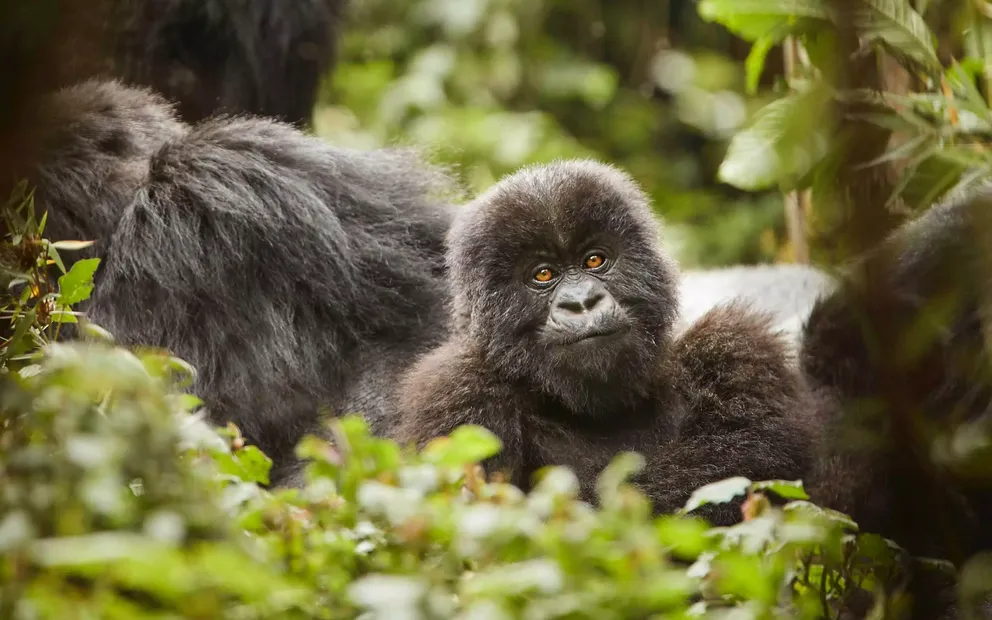

Uganda Safari Tours are why Winston Churchill called Uganda the “Pearl of Africa,” and frankly, even that feels like a bit of an understatement. Imagine waking up to the mist clinging to ancient ferns, the distant call of a Great Blue Turaco, and the knowledge that today, you’ll be looking into the eyes of a mountain gorilla.
Uganda isn’t just a destination; it’s a sensory overload in the best possible way. For those planning Uganda Safari Tours, the sheer variety can be overwhelming. Do you go for the primates? The big cats? The volcanic lakes? Our philosophy at Orugano Bwindi Lodge is rooted in “Natural Simplicity”, we believe the best way to experience this land is to strip away the noise and focus on the raw, authentic moments.
In this guide, we’re breaking down the four essential experiences that make for the ultimate Uganda safari—and some of the most unforgettable Uganda Safari Tours in one itinerary: the legendary nkuringo gorilla trekking, the famous tree-climbing lions, our vocal chimpanzee cousins, and the serene waters of Lake Mutanda.
1. Uganda Safari Tours Highlight: Nkuringo Gorilla Trekking
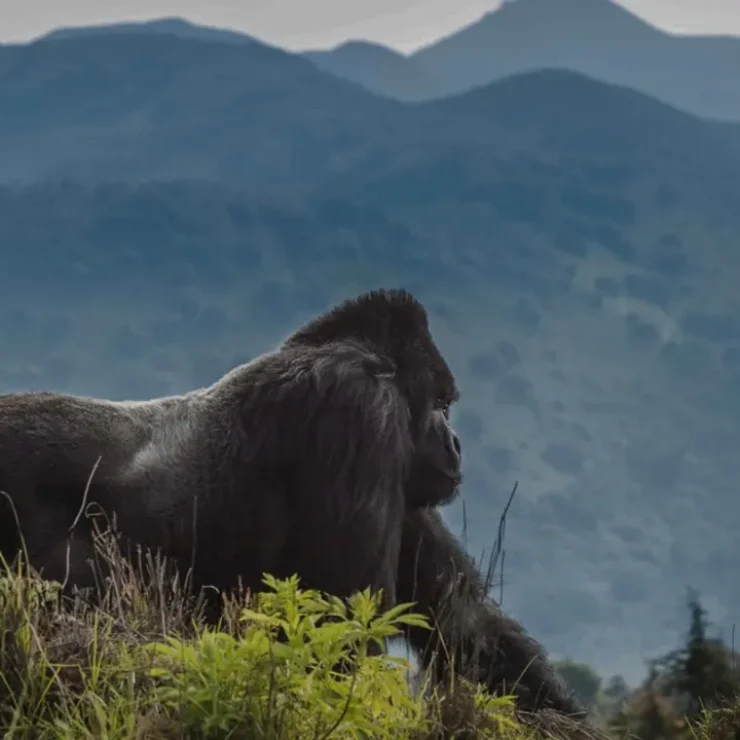
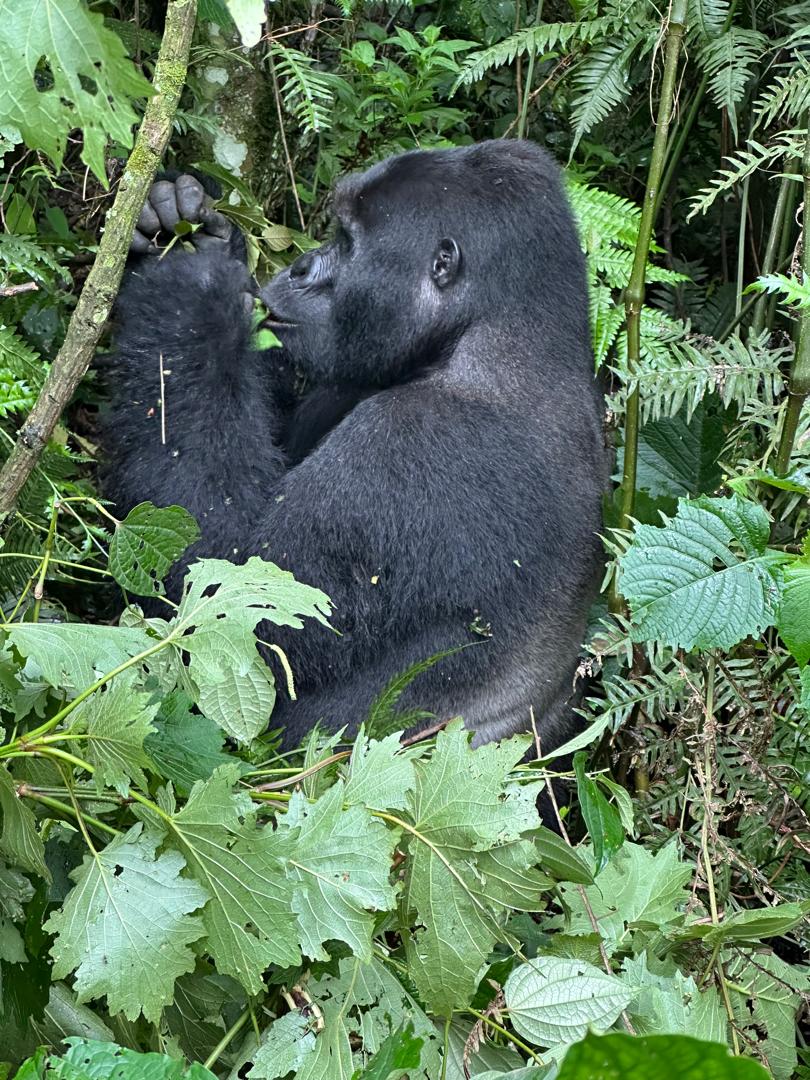
If you’re coming to Uganda, gorilla trekking is likely at the top of your list. While there are several sectors in Bwindi Impenetrable National Park, the Nkuringo sector holds a special place in our hearts. Why? Because it offers some of the most dramatic views and rewarding physical challenges in the entire park.
Nkuringo gorilla trekking is often considered the “connoisseur’s choice.” Located on a high ridge in the southern part of Bwindi, the trails here provide breathtaking panoramas of the Virunga Volcanoes. When you descend into the valley to find the Nkuringo or Christmas gorilla families, you aren’t just taking a walk; you are embarking on a true expedition.
The experience of sitting just a few metres from a 200kg Silverback is impossible to describe without sounding like a travel brochure, but it truly is life-changing. At Orugano Bwindi Lodge, we are perfectly positioned for those taking on the Nkuringo trails, offering a space of “Natural Simplicity” to rest your weary legs after a day in the forest.
2. The Tree-Climbing Legends of Ishasha
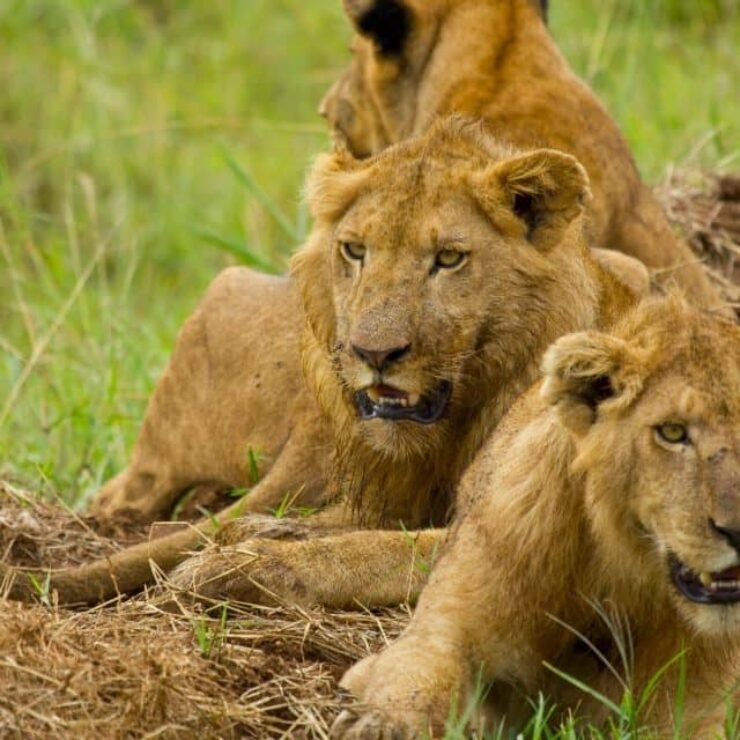
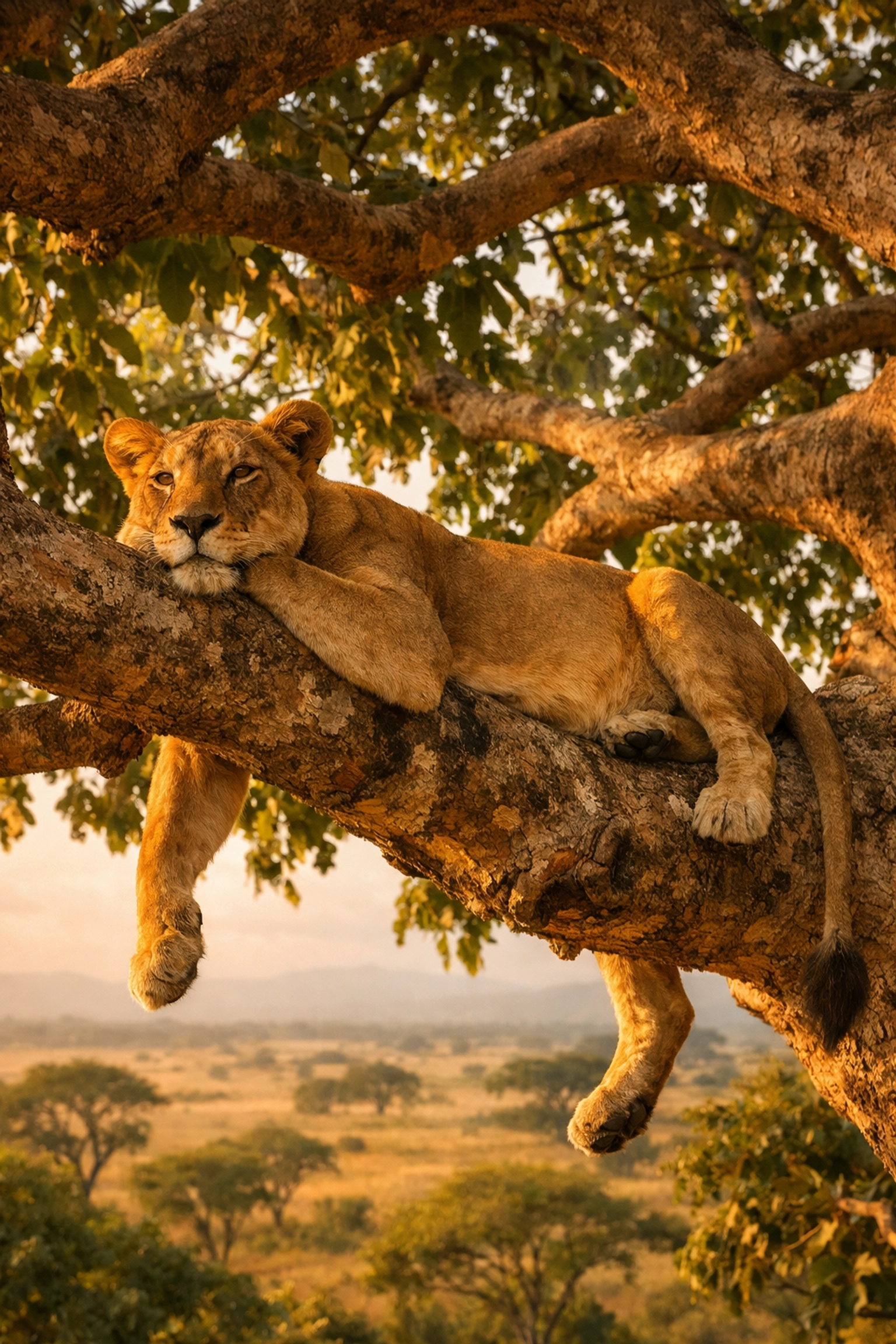
Most people think of lions on the golden savannahs of the Serengeti or the Maasai Mara. But in the Ishasha sector of Queen Elizabeth National Park, the lions have a different idea of a midday nap.
Watching a pride of lions draped over the horizontal limbs of giant fig trees is one of the most surreal sights in the natural world. Scientists still debate exactly why they do it, some say it’s to escape the heat on the ground, others say it’s to avoid the biting tsetse flies. Whatever the reason, it makes for incredible photography and a unique twist on the traditional game drive.
Ishasha is the perfect bridge between the primate-heavy forests of the south and the more classic wildlife plains of the north. Including a stop here on your 7-day Pearls of Uganda safari ensures you get that iconic “Big Five” feel alongside your forest adventures.
3. Meeting Our Closest Cousins: Chimpanzees in Kibale
While gorillas are the “gentle giants,” chimpanzees are the high-energy, vocal, and incredibly charismatic relatives we share 98% of our DNA with. For the best chimp experience, you have to head to Kibale Forest National Park.
Known as the “Primate Capital of the World,” Kibale is home to over 1,500 chimpanzees. A 5-day Uganda primate safari typically combines the mountainous Bwindi with the tropical lowlands of Kibale. The experience is vastly different from gorilla trekking; while gorillas are often found lounging and munching on bamboo, chimps are constantly on the move, swinging through the canopy and communicating with deafening hoots and “pant-grunts.”
It’s a fast-paced, exhilarating trek that adds a layer of complexity to your understanding of African primates. Plus, Kibale offers the chance to see 12 other primate species, including the rare Red Colobus and L’Hoest’s monkeys.
4. Uganda Safari Tours Reset: Canoeing on Lake Mutanda
After the intensity of trekking through thick jungles and tracking predators, you need a moment to breathe. This is where the “canoeing” part of our ultimate guide comes in.
Lake Mutanda is one of the most beautiful hidden gems in South Western Uganda. Dotted with lush islands and framed by the three towering Virunga Volcanoes (Muhabura, Gahinga, and Sabinyo), the lake is remarkably calm. Taking a traditional dugout canoe across the water at sunrise or sunset is the definition of “Natural Simplicity.”
Canoeing on Lake Mutanda isn’t just about the views; it’s about the stillness. You’ll see local fishermen casting their nets and children waving from the shores. It’s a peaceful counterpoint to the ruggedness of the Bwindi forest and an essential part of a well-rounded Uganda safari.
Crafting Your All-In-One Itinerary
So, how do you fit all of this into one trip? Based on our experience with Orugano Safaris, we recommend a balanced approach to Uganda Safari Tours that doesn’t leave you feeling like you spent the whole holiday in a vehicle.
The 7-Day “Essentials” Loop
- Day 1-2: Arrive in Entebbe and fly or drive to Kibale for Chimpanzee tracking.
- Day 3-4: Head south to Queen Elizabeth National Park. Game drives in Ishasha to find the tree-climbing lions.
- Day 5-6: Arrive in the Nkuringo sector. Dedicate Day 6 to nkuringo gorilla trekking. Stay with us at Orugano Bwindi Lodge.
- Day 7: A morning of canoeing on Lake Mutanda before heading to Kisoro or back to Entebbe.
The 12-Day “Deep Dive”
If you have more time, we suggest adding Murchison Falls for the “Big Five” and white-water rafting on the Nile. This creates a full circle of Uganda’s diverse ecosystems. You can also explore the Batwa Trail in Mgahinga for a deep cultural immersion.
When to Go and What to Pack
Uganda is a year-round destination thanks to its equatorial climate, but for the best experience, timing matters.
- Dry Seasons (June to August & December to February): This is the best time for nkuringo gorilla trekking and chimp tracking. The trails are less slippery, and the lions are easier to spot as they gather near water sources.
- Wet Seasons (March to May & September to November): The landscape is incredibly lush and green. This is a dream for photographers, and you might even find lower prices for some Uganda gorilla permits.
When packing, think layers. The mornings in Nkuringo are chilly, while the afternoons on the savannah can be scorching. And don’t forget a pair of sturdy hiking boots, the Bwindi mud is no joke!
Why “Natural Simplicity” Wins Every Time
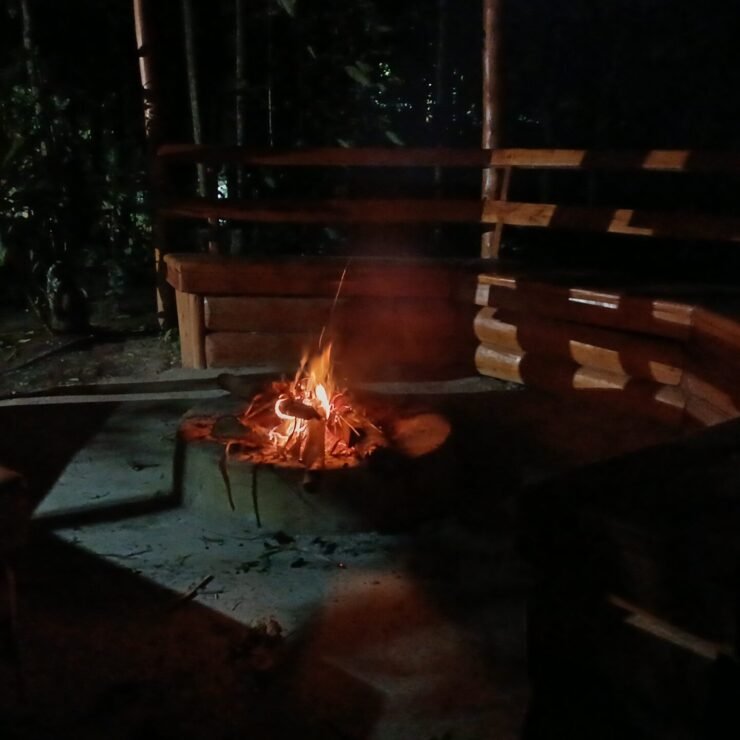
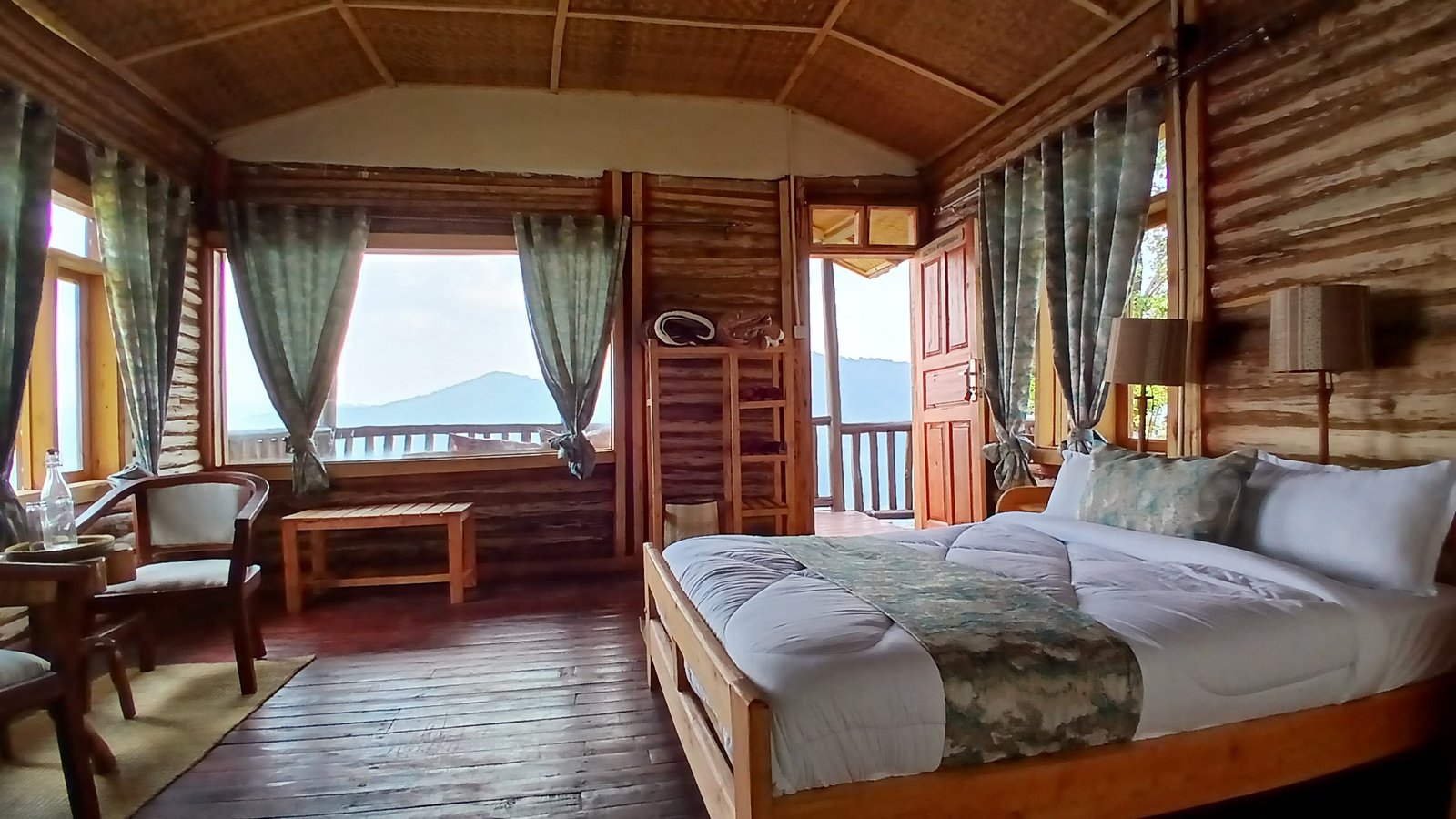
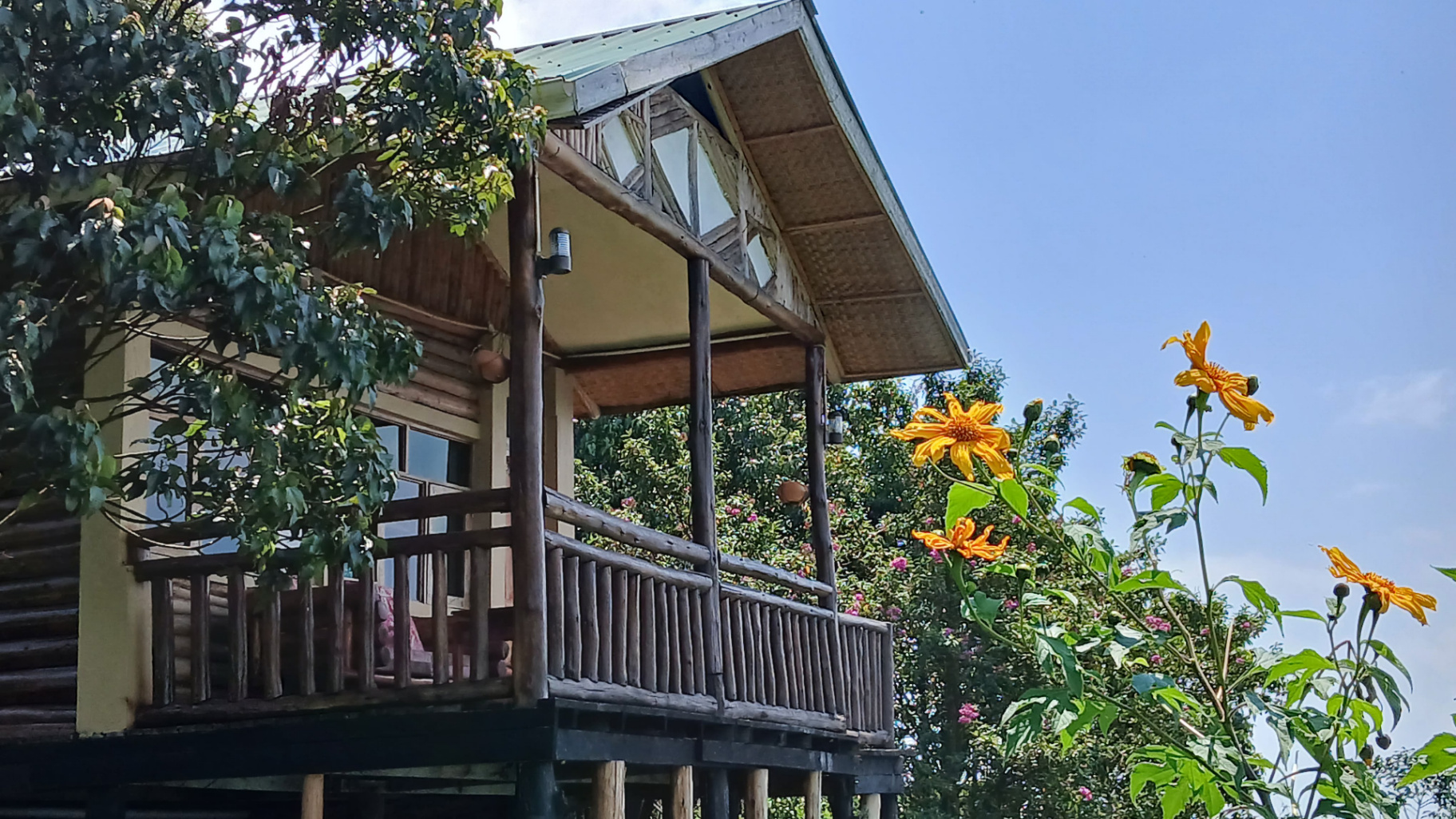
At Orugano Bwindi Lodge, we’ve intentionally designed our space to complement the environment, not compete with it. After a day of lions and gorillas, the last thing you need is a flashy, over-complicated hotel. You need a warm fire, a comfortable bed, and the sounds of the forest.
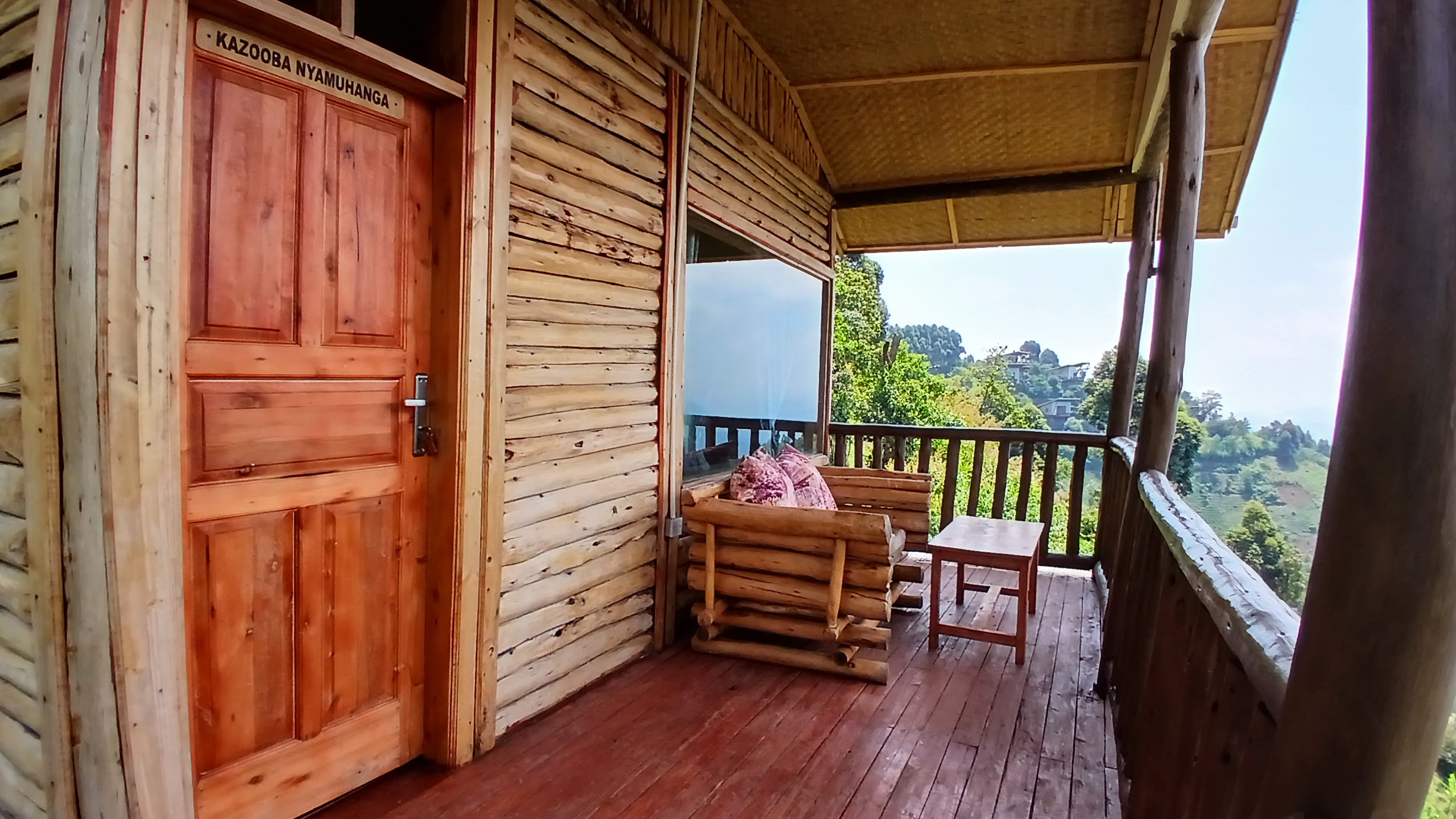
Our eco-cabins are designed to let the outside in. Whether you are birding in Bwindi from your balcony or enjoying a locally sourced meal in our restaurant, we focus on the things that matter: comfort, connection, and conservation.
Frequently Asked Questions
How difficult is nkuringo gorilla trekking?
Nkuringo is considered one of the more physically demanding sectors because of the steep terrain, and it can feel chilly in the mornings—but it’s often coldest at night due to the high elevation. The good news? The effort is genuinely worth it: expect volcano views, intimate groups, and a real sense of accomplishment.
You’ll enjoy it most with a moderate fitness level. If you’re in good health and don’t have knee problems, you’ll likely love the challenge. And if you’d like extra support on the climbs and descents, local porters are available (highly recommended and a great way to support the community). After your trek, you’ll also receive a well-deserved certificate to mark the moment.
Do I need to book permits in advance?
Absolutely. The Uganda Wildlife Authority (UWA) limits the number of people who can visit each gorilla family per day. We recommend booking 2–3 months in advance at minimum (and earlier for peak season dates).
Is it safe to canoe on Lake Mutanda?
Yes, the lake is free of hippos and crocodiles, making it one of the few lakes in the region where you can enjoy the water with total peace of mind.
Can I see all these animals in one park?
No, Uganda’s beauty lies in its diverse ecosystems. You’ll need to travel between Kibale (chimps), Queen Elizabeth (lions), and Bwindi (gorillas).
Ready to start your adventure?
Whether you are looking for bespoke Uganda Safari Tours (or a classic Uganda safari) or simply a beautiful place to stay during your nkuringo gorilla trekking experience, we are here to help.
Book your stay at Orugano Bwindi Lodge today and let us show you the magic of the Pearl of Africa through the lens of Natural Simplicity.