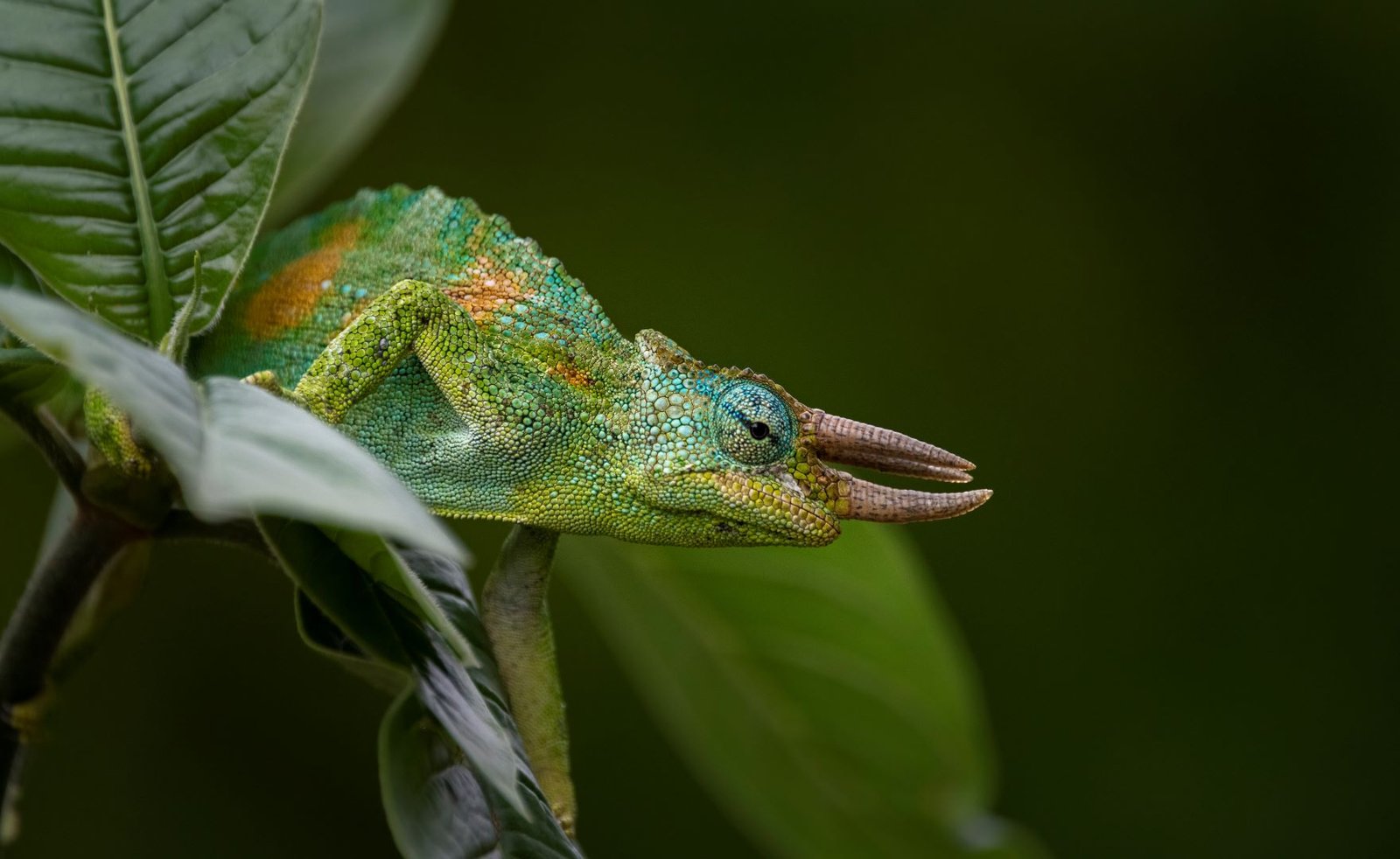
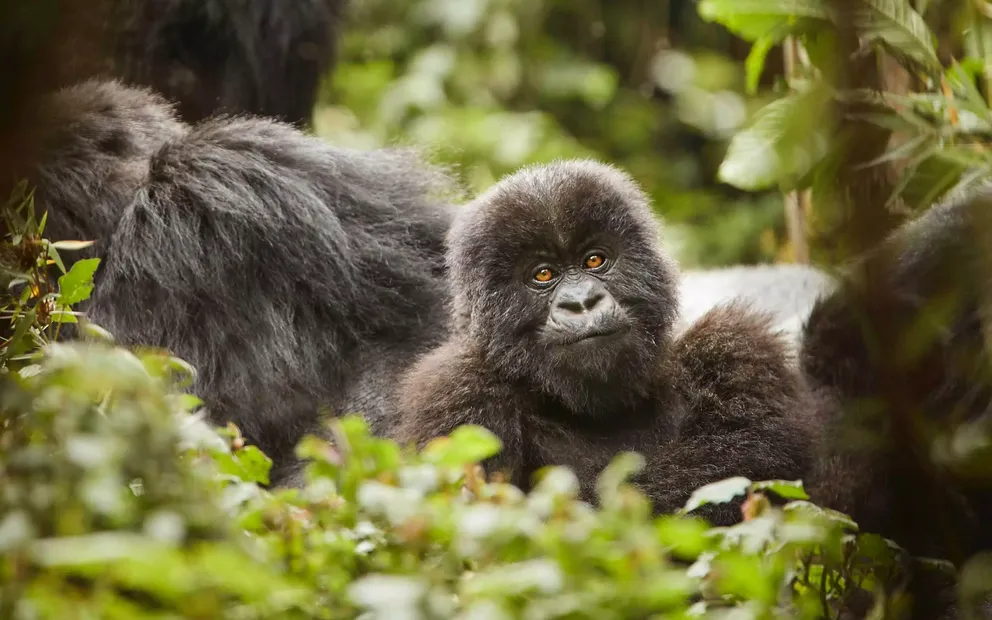

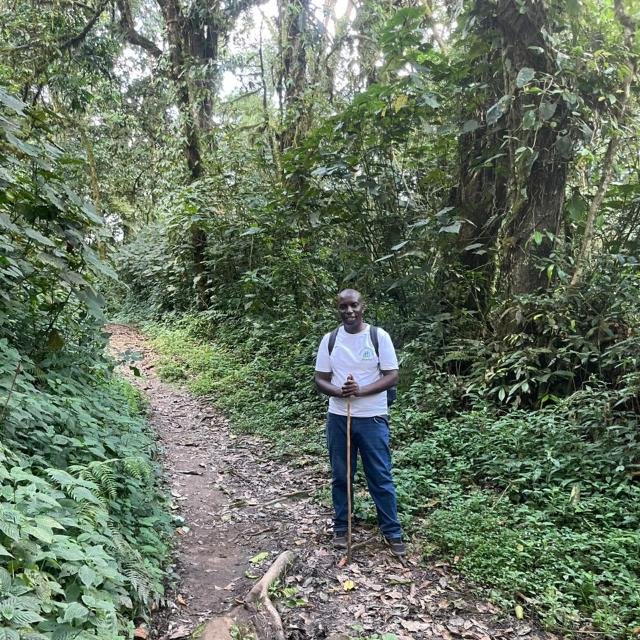
There’s something deeply moving about standing in the misty forests of Bwindi and coming face-to-face with a family of mountain gorillas. But when that family is the Nkuringo gorilla family: the very first group to be habituated in this sector: the experience carries an extra layer of magic. If you’re planning gorilla trekking Uganda adventures, understanding this legendary family will transform your trek from a simple wildlife encounter into a meaningful journey through conservation history.
As locals who wake up to views of Nkuringo hill every single morning, we’re excited to share everything you need to know about tracking this remarkable gorilla family.
The Pioneers: How the Nkuringo Family Made History
The story of the Nkuringo gorilla family begins back in 1996. Rangers and conservationists noticed a group of gorillas frequently venturing out of the forest and into nearby village farms, munching on crops and causing quite a stir among local communities. Rather than viewing this as a problem, the Uganda Wildlife Authority saw an opportunity.
The habituation process: gradually getting the gorillas comfortable with human presence: took nearly eight years. By April 2004, the Nkuringo family officially opened to tourists, becoming the first habituated group in what is now the Nkuringo sector.
The original silverback, Nkuringo, was named after the rolling hills where he was first spotted, and he led the family right up until 2008. After Nkuringo, leadership passed through the silverbacks Safari and Rafiki. Rafiki means “friend” in Swahili, which honestly fit him perfectly: he was known for his big, friendly nature.
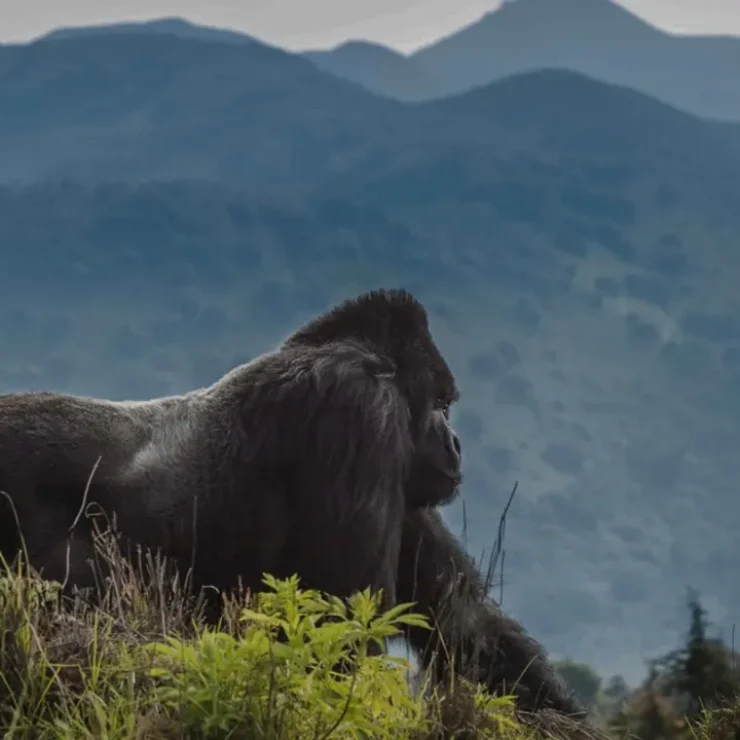
Today, the Nkuringo group is managed by two lead silverbacks: Rwamutwe (meaning “Big Head”) and Tabu (meaning “Trouble” in Swahili). Their current co-leadership is what keeps the group steady: a proper teamwork setup that’s surprisingly calm (given one of them is literally called Trouble).
If you’re lucky enough to catch them on the move, you’ll see their teamwork in action: Rwamutwe usually leads from the front, while Tabu often hangs back as the rearguard, sometimes even crossing roads last to make sure the females and youngsters are safely through first. It’s like a bouncer and a tour leader rolled into two very hairy gentlemen.
At the same time, there’s a delicate balance. The two silverbacks often keep a bit of distance from each other to avoid unnecessary tension. Locally, we see it as a gentle hint that a future split could happen, with one of them eventually breaking off to form his own group (it happens in gorilla society, and honestly, it’s usually very “political”… just without the microphones).
And here’s where it gets interesting: the original line has now branched into four distinct gorilla families in this sector: Bushaho, Posho, Christmas, and Nkuringo.
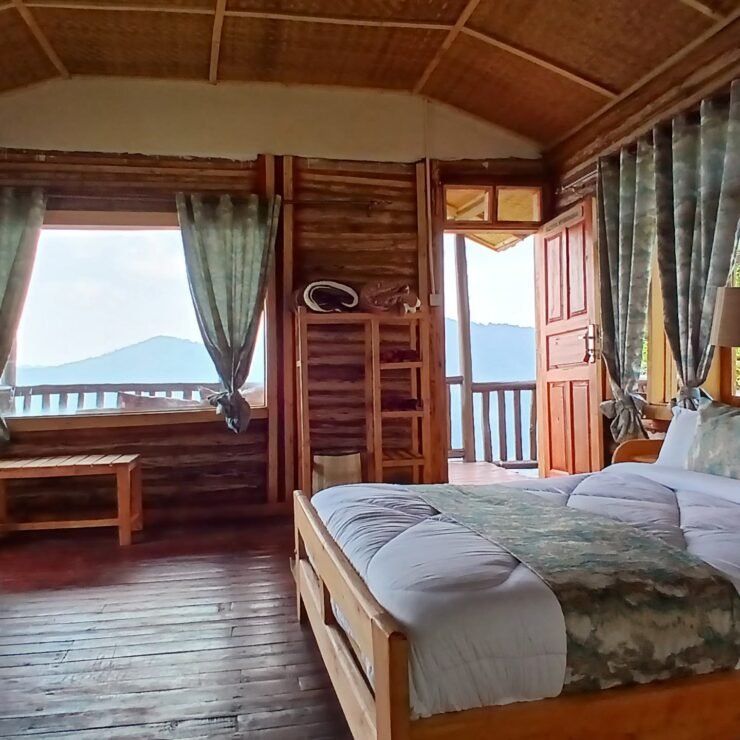
From the forest-facing cottages at Orugano Bwindi Lodge, you can actually see Nkuringo hill: the exact spot where this incredible conservation journey began. It’s a humbling reminder that you’re staying at the very heart of gorilla trekking history.
Where the Nkuringo Family Roams Today
So where exactly will you find these gentle giants? The Nkuringo group has developed a particular fondness for an area called Kikobero, located approximately 20 minutes’ drive from the Uganda Wildlife Authority starting point.
Here’s some good news for trekkers: Kikobero sits on relatively flat terrain, making the Nkuringo family arguably the easiest group to track in this sector right now. Visitors usually find them with ease, which is a welcome relief compared to some of the more challenging treks in Bwindi.
That said, gorillas are wild animals with their own agendas. They’re never static.
We’ve had guests return to the lodge later than expected because the family decided to take a little jungle walkabout mid-trek. One moment the rangers spot them in a clearing; the next, they’ve moved deeper into the forest, and suddenly you’re on an extended adventure through the undergrowth.
The silver lining? Every single guest who experienced these longer treks came back absolutely thrilled. There’s something about working for that encounter: pushing through the jungle, following fresh trails, and finally emerging into a clearing where a silverback sits peacefully grooming his family: that makes the experience unforgettable.
And here’s the thing: you will see them. The rangers know this forest intimately, and the habituation process means these gorillas are comfortable enough to let you observe them up close. It’s not a matter of if, but when.
What to Expect on Your Nkuringo Trek
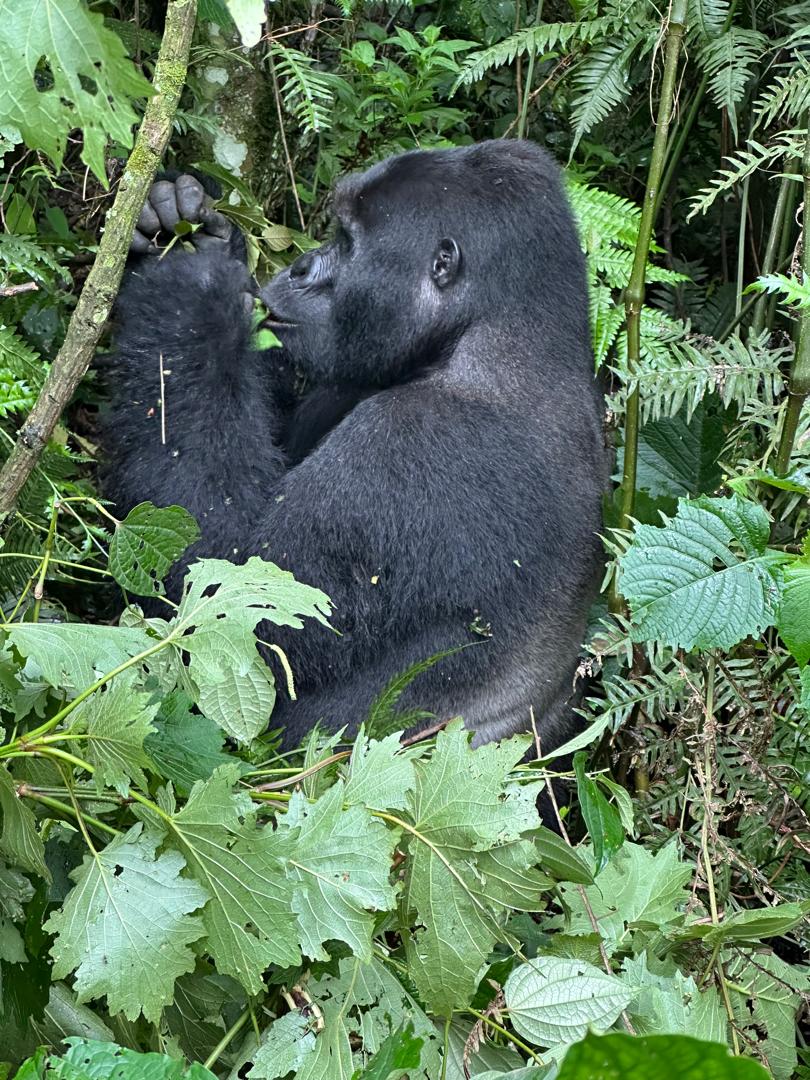
Planning your Uganda gorilla trekking tours is easier when you know how the day typically flows: and how group assignment works in Nkuringo. There are currently four trackable families here (Bushaho, Posho, Christmas, and Nkuringo), and guests are usually assigned a group based on fitness levels and the day’s tracking conditions.
A quick reality check, though: gorillas are mobile. So even with the best planning, the “easy” group can decide to climb, and the “tough” group can decide to chill. That’s Bwindi being Bwindi.
Here’s the insider breakdown:
Morning Departure
Guests staying at Orugano Bwindi Lodge typically depart at 7:30am for the Nkuringo sector headquarters. You’ll receive a briefing from UWA rangers about gorilla etiquette: keeping a safe distance, no flash photography, and what to do if a silverback charges (spoiler: stay calm and crouch down).
The Trek Itself
Only 8 visitors per day are permitted to trek with any single gorilla family, ensuring an intimate and non-intrusive experience. Once you locate your assigned family, you’ll have one uninterrupted hour to observe them feeding, playing, grooming, and simply being gorillas.
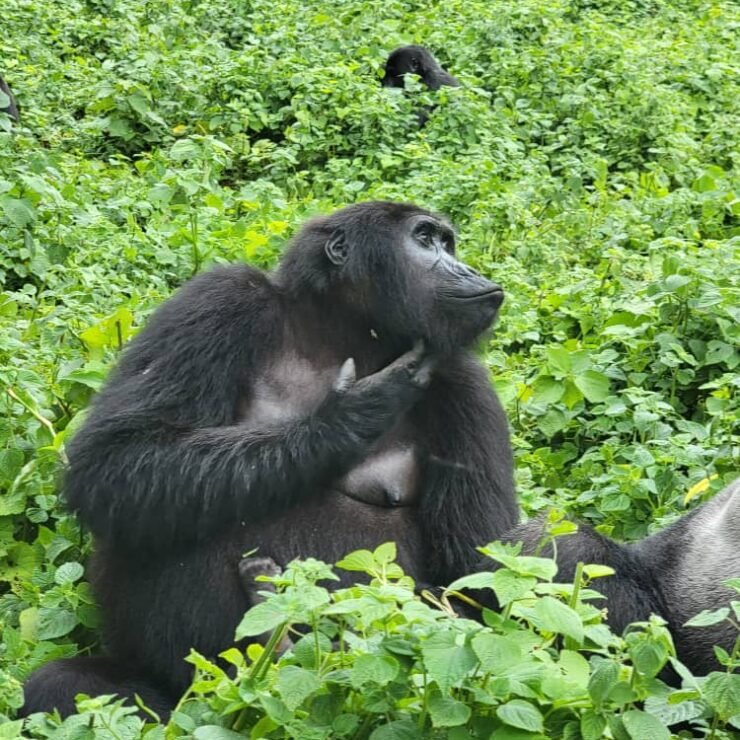
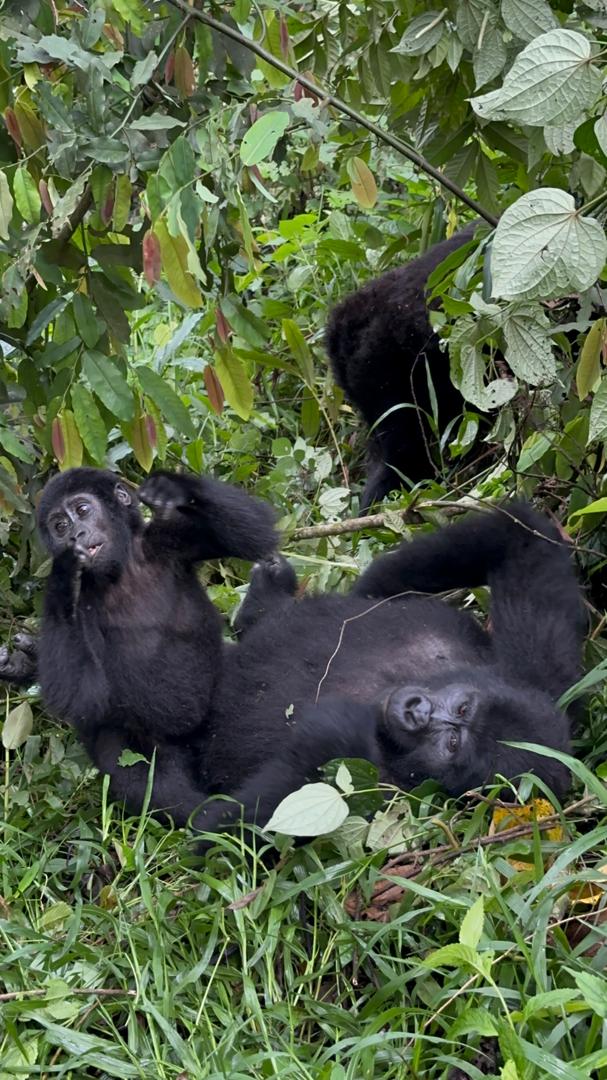
And yes: the Nkuringo families have a bit of a reputation. They’re often exceptionally playful and surprisingly relaxed around each other, and when there are newborns in the group, you can expect extra “auntie” behaviour: gentle fussing, curious juveniles hovering nearby, and the kind of soft family chaos that makes you forget you’re standing in a rainforest.
One of my favourite things to watch is the “nursery politics”. Young gorillas are generally free to play with any of the males, and you’ll see them bouncing between different big guys like it’s a jungle playground. And yes, there’s a bit of subtle drama too: the silverback is the boss, but when he’s distracted (feeding, posturing, or just having a moment), females may quietly mate with other males. If the silverback notices, though, he’ll usually assert his authority very quickly: a reminder that in gorilla society, leadership is calm… until it isn’t.
The Nkuringo sector is famous for its dramatic landscapes. On clear days, you might catch glimpses of the distant Nyiragongo and Nyamuragira volcanoes across the border in the Democratic Republic of Congo. The photo opportunities here are exceptional.
The Return Journey (And Why a Porter Is a Brilliant Idea)
Here’s something to prepare for: the return trek from the Nkuringo sector typically involves a steep climb back up. We recommend a moderate level of fitness: nothing extreme, but you should be comfortable hiking uphill for 30-45 minutes. Trust us, it’s worth every step.
One local tip we’ll always stand by: hire a porter. Even if you’re fit. Even if your bag “isn’t that heavy”. A porter can help with your daypack, camera gear, and give you a steady hand on slippery sections.
If you can, consider choosing a lady porter too. It’s a simple way to support hardworking women in the community, and it genuinely makes a difference to household income here.
Bonus: porters are not just muscle: they’re local forest experts, and many speak English, so the walk becomes more fun and more informed (and you’ll hear little trail stories you won’t get in a standard briefing).
Why the Nkuringo Sector Stands Out
With multiple gorilla trekking sectors in Bwindi Impenetrable National Park, why choose Nkuringo? Here’s our honest local perspective:
A living “family tree” of gorillas: The sector now has four families you can be assigned to (Bushaho, Posho, Christmas, and Nkuringo), and there’s also a fifth family currently being habituated: an offshoot from the Nkuringo line. The exciting bit? This new group currently has 14 gorillas. It’s a real-time reminder that gorilla conservation here is active, growing, and still unfolding.
Historical significance: You’re tracking the descendants of the first habituated family. That’s gorilla trekking royalty. And if you pass by the Nkuringo UWA offices, keep an eye out for the statue of the legendary silverback Rafiki: a beloved leader who was tragically lost to poaching. It’s a quiet, powerful reminder of why protection and responsible tourism matter so much here.
Accessibility: The Nkuringo family’s preference for flatter terrain means less challenging treks compared to some other sectors: perfect for first-timers or those who want to focus on the experience rather than the physical demands.
Fewer crowds: Nkuringo sees slightly less foot traffic than the popular Buhoma sector, creating a more exclusive atmosphere.
Stunning scenery: The rolling hills, valley views, and distant volcanic peaks make for incredible landscape photography alongside your wildlife shots.
Community connection: The Nkuringo sector has deep ties to local communities. Many lodges and guides here are locally owned, meaning your tourism dollars directly support the people who live alongside these magnificent creatures.
Staying Close to the Action: Your Base Camp
Location matters enormously when planning Uganda safari tours that include gorilla trekking. The closer you stay to the tracking starting point, the less stress on trekking day.
Orugano Bwindi Lodge sits right in the Nkuringo sector, offering guests unparalleled proximity to the action. We’re talking about waking up to forest views, enjoying a relaxed breakfast, and then making the short journey to meet your ranger guides: no rushing, no long transfers.
Our forest-facing cottages look directly out onto Nkuringo hill, where this whole incredible story began. There’s something special about sipping your evening tea while gazing at the very slopes where conservationists first began habituating the Nkuringo family nearly three decades ago.
For those seeking a luxury Uganda safari experience that combines comfort with authenticity, staying within the sector itself makes all the difference.
Beyond the Gorillas: Exploring Nkuringo
Your time in Nkuringo doesn’t have to end when the gorilla trek does. The area offers fantastic community walks where you can visit local homesteads, meet traditional healers, watch blacksmiths at work, and even sample locally brewed banana beer.
These cultural experiences provide valuable context for your gorilla encounter. You’ll understand how local communities have learned to coexist with wildlife, and how tourism revenue has transformed attitudes toward conservation.
For more ideas on planning your trip, check out our guide on the best time to visit Uganda for gorilla safaris.
Frequently Asked Questions
How many gorillas are in the Nkuringo family?
The Nkuringo family currently has more than 12 members, including silverbacks, adult females, juveniles, and infants.
How difficult is the Nkuringo gorilla trek?
The actual tracking is relatively easy since the family prefers flatter terrain. However, the return journey involves a steep climb, so moderate fitness is recommended.
How much does a Uganda gorilla permit cost?
As of 2026, Uganda gorilla permits cost $800 USD per person. This fee supports conservation efforts and local communities.
What’s the best time of year to track the Nkuringo family?
Gorilla trekking operates year-round. The dry seasons (June-September and December-February) offer easier hiking conditions, though the gorillas can be found in any season.
Can the Nkuringo family move during the trek?
Absolutely. While rangers locate the family before your trek begins, gorillas are free-roaming animals. Occasionally, guests may need to follow them if they relocate: an adventure in itself!
Ready to Meet the Nkuringo Family?
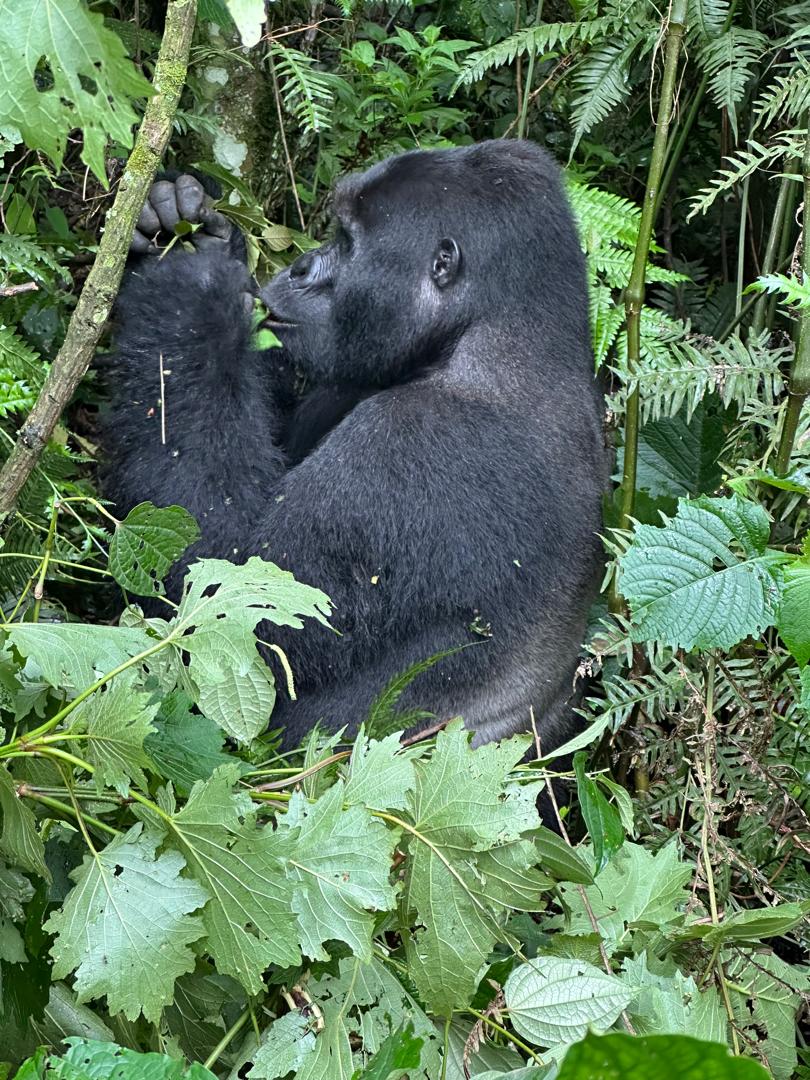
There’s nothing quite like standing metres away from a silverback mountain gorilla, watching him calmly strip bamboo while his family plays nearby. The Nkuringo gorilla family offers one of the most accessible and historically significant gorilla trekking Uganda experiences available.
Contact Orugano Bwindi Lodge to start planning your trek. We’ll help you secure permits, arrange comfortable accommodation steps from the forest, and ensure your gorilla encounter is everything you’ve dreamed of: and more.