
Mgahinga Batwa Forest Trail
Batwa Forest Trail
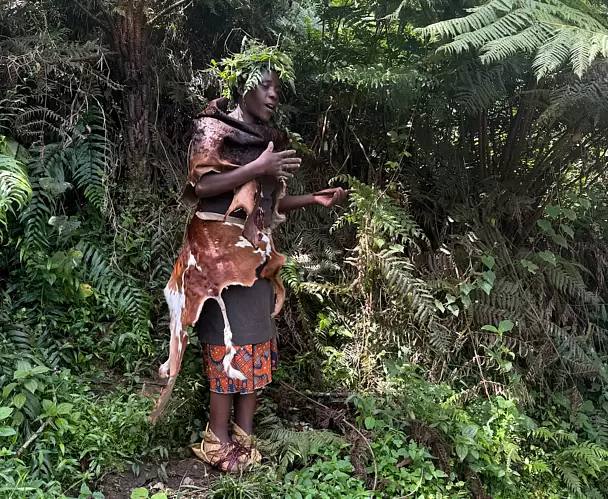
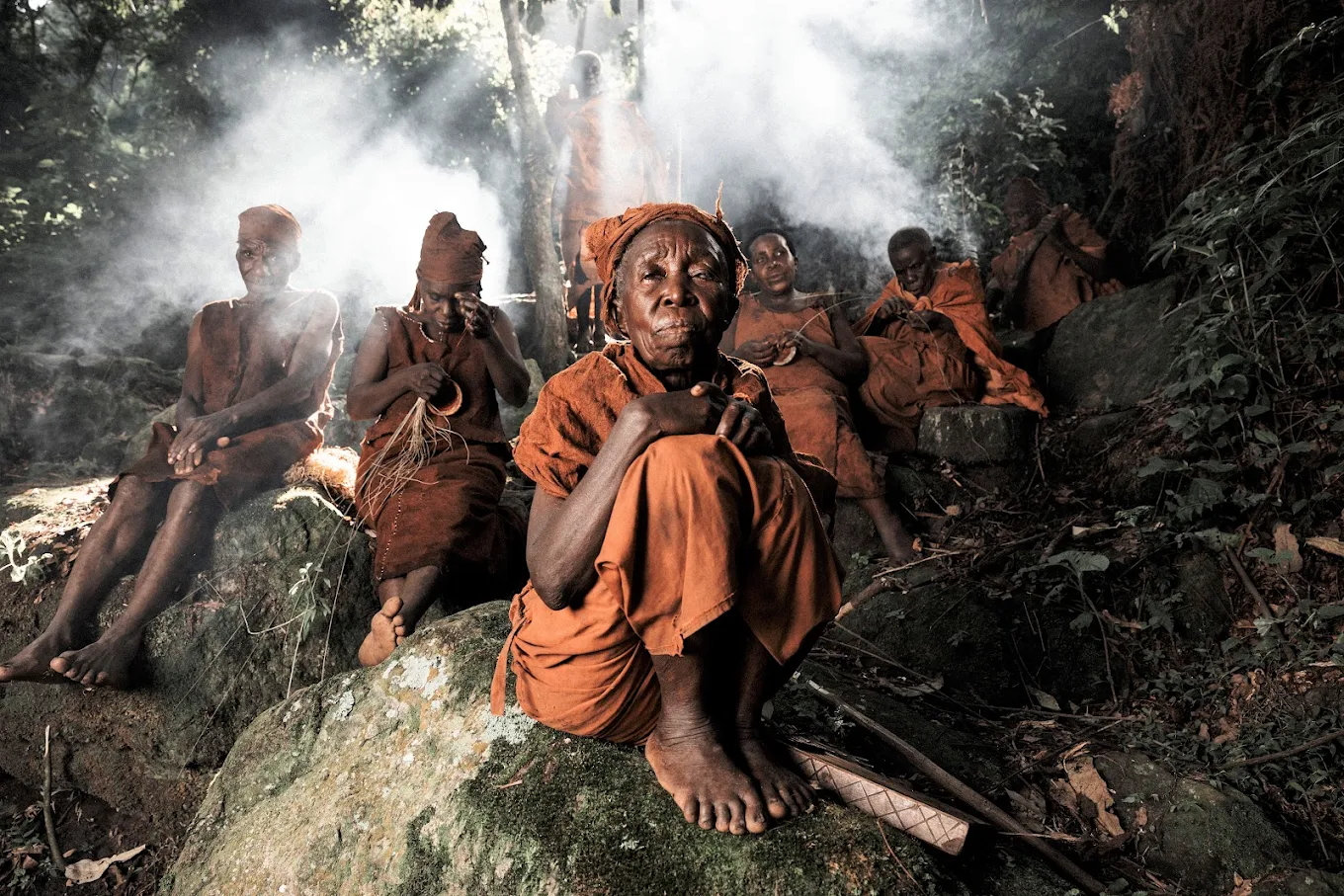
A great excursion from Orugano Bwindi Lodge is a trip to Mgahinga Gorilla National Park for the Batwa Forest Trail. The Batwa tribe are known as the ‘Keepers of the Forest’ and was removed from Mgahinga when it was established to protect the gorillas. They are one of the oldest surviving indigenous tribes in Africa and they have a truly unique relationship with the Uganda rainforest. Hunter-gatherers by tradition and were utterly dependent on the forest to survive, they had no skills or means to adapt to modern life. They suffered terribly and fell prey to early exploitative tourism. Thankfully, this is changing and albeit ironically, tourism holds the key to the survival of these fascinating people and their ancient culture. Organisations like the Batwa Development Program have developed sensitive and conscious tourism encounters which allow the Batwa to introduce visitors to the forest as their guests. You are immersed in how they forage for and prepare food, their hunting techniques (still using bows and arrows for small game), their age-old traditions of medicine making and witnessing first-hand their symbiotic relationship with nature. These excursions generate direct income for the guides but also build awareness and generate further income for the education and general assistance of the wider community.
Trail Duration Time
Starting Point Access
Experience Trail Cost
Batwa Trail
Step into the Batwa’s once-secret world. Experience the forest as their only home.
- Walk paths used by hunters
- Learn herbal medicine knowledge
- Spot wild forest beehives
- Discover forest food sources
Visit The Sacred Cave
Visit the 342 meters Ngarama Cave of Batwa King, a dark and powerful place where Batwa royalty once lived and ruled.
- Learn about how Batwa conflict councils were held to discuss the defense of their land
- Hear legends of Batwa kings
- Learn forest leadership customs