
Standard Gorilla Trek vs Habituation is one of those “small choice, massive impact” decisions for your Uganda trip. So you’ve decided to trek mountain gorillas in Uganda, amazing choice. But now you’re staring at two very different options: the standard gorilla trek or the gorilla habituation experience. One costs $800, the other $1,500. One gives you an hour, the other gives you four. Which one is actually worth your time and money on your Uganda safari?
Let’s break it down, no fluff, just the facts you need to choose the right experience for your trip.
Standard Gorilla Trek vs Habituation: What’s the Real Difference?
The core difference is simple: time and money.
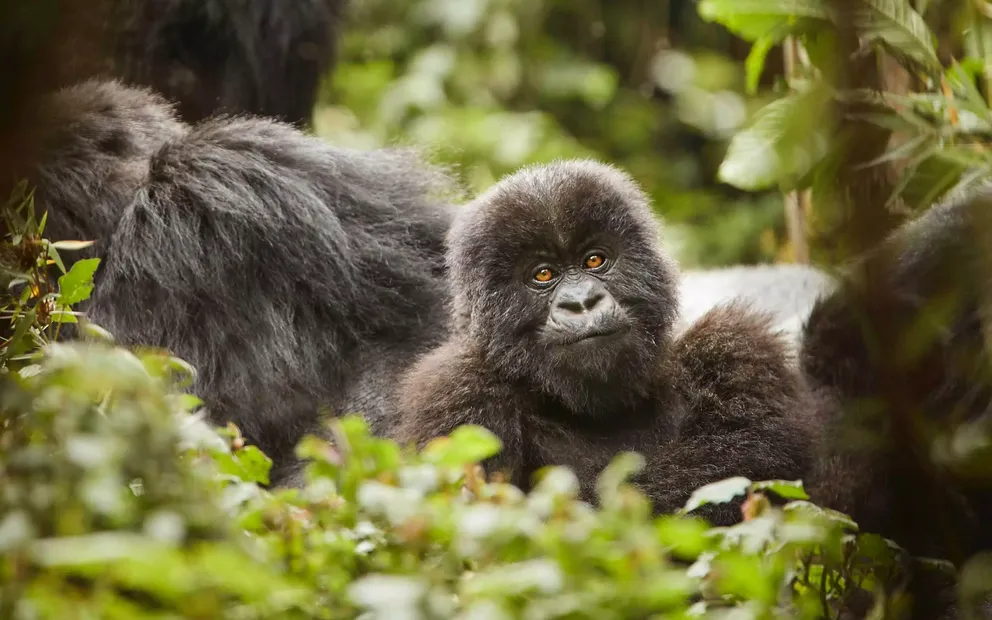
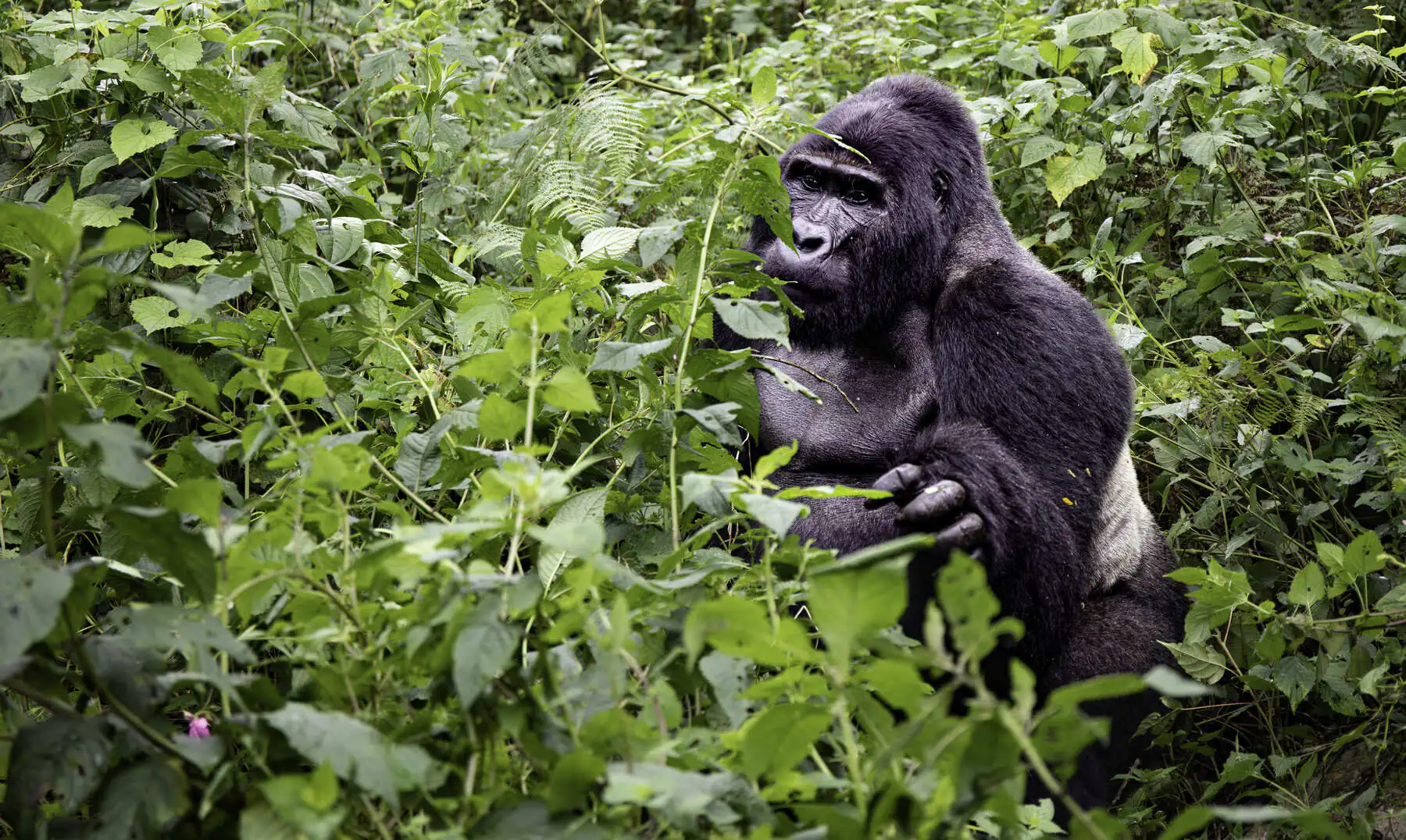
A standard gorilla trek gives you one hour face-to-face with a fully habituated gorilla family. Your permit costs $800 per person. You’ll hike into Bwindi Impenetrable National Park, find your assigned family, spend 60 minutes observing them, then head back to your lodge.
The gorilla habituation experience gives you four hours with a gorilla family that’s still getting used to humans. Your permit costs $1,500 per person. You’re not just observing, you’re participating in the actual habituation process alongside researchers and trackers.
That’s a $700 difference and three extra hours in the forest. The question is: what do you actually get for that premium?
The Standard Gorilla Trek: What You Get for $800
Let’s start with the more accessible option. The standard trek is what most visitors to Bwindi experience, and honestly, it’s pretty incredible on its own.
You’ll join a group of up to 8 people and be assigned one of 17 habituated gorilla families spread across Bwindi’s four sectors: Buhoma, Ruhija, Rushaga, and Nkuringo. These families are fully comfortable with human presence, which means they won’t bolt when you show up with your camera.
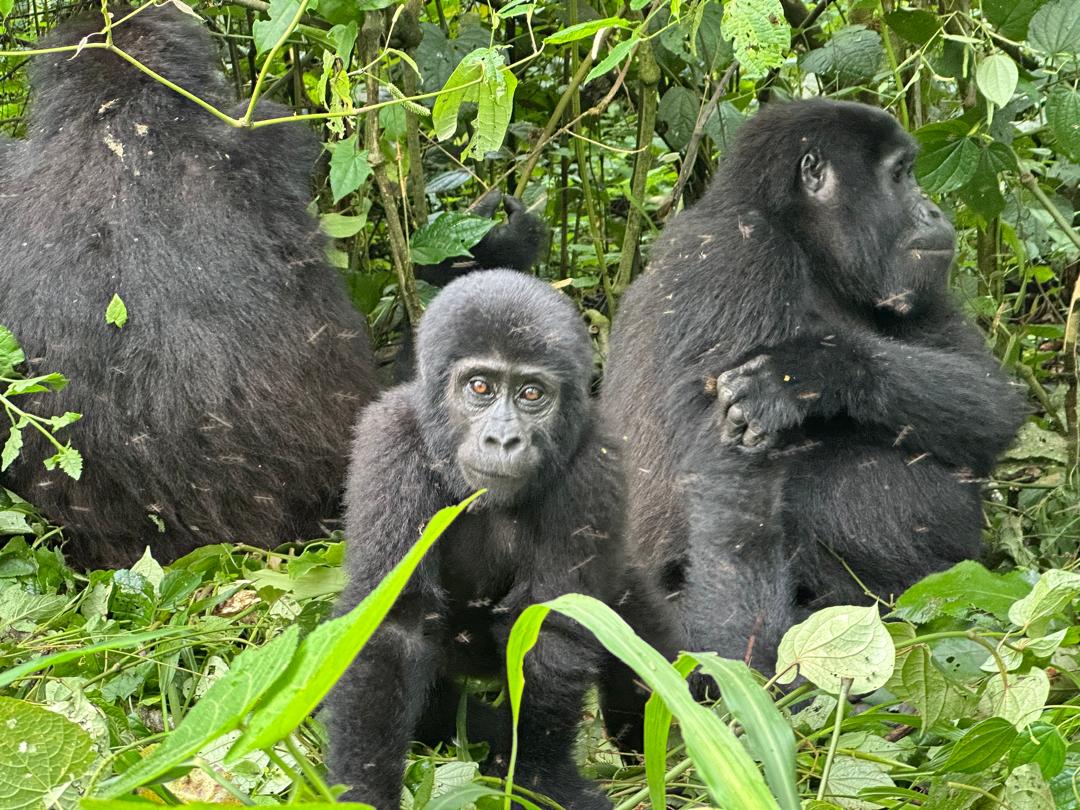
Your hour starts the moment you’re within viewing distance. The gorillas might be feeding, playing, grooming each other, or just lounging around like they own the place (which, let’s be honest, they do). A park ranger guides your group, answers questions, and makes sure everyone follows the rules, stay 7 meters back, no flash photography, no sudden movements.
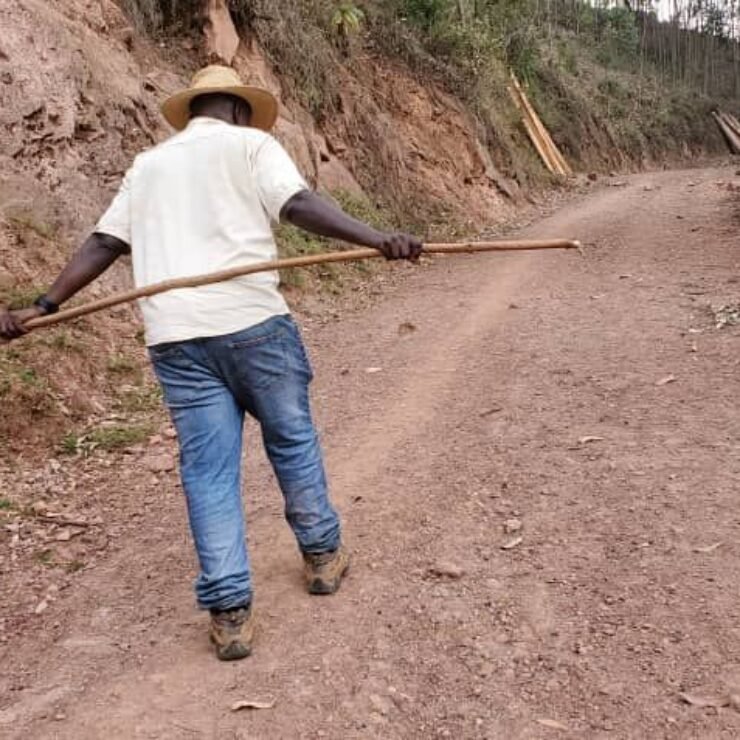
The hike itself can range from 30 minutes to several hours depending on where the gorillas moved overnight. Some families stay close to the trailhead; others prefer the deep forest. You’ll know within the first hour of hiking whether you’re in for an easy day or a proper workout.
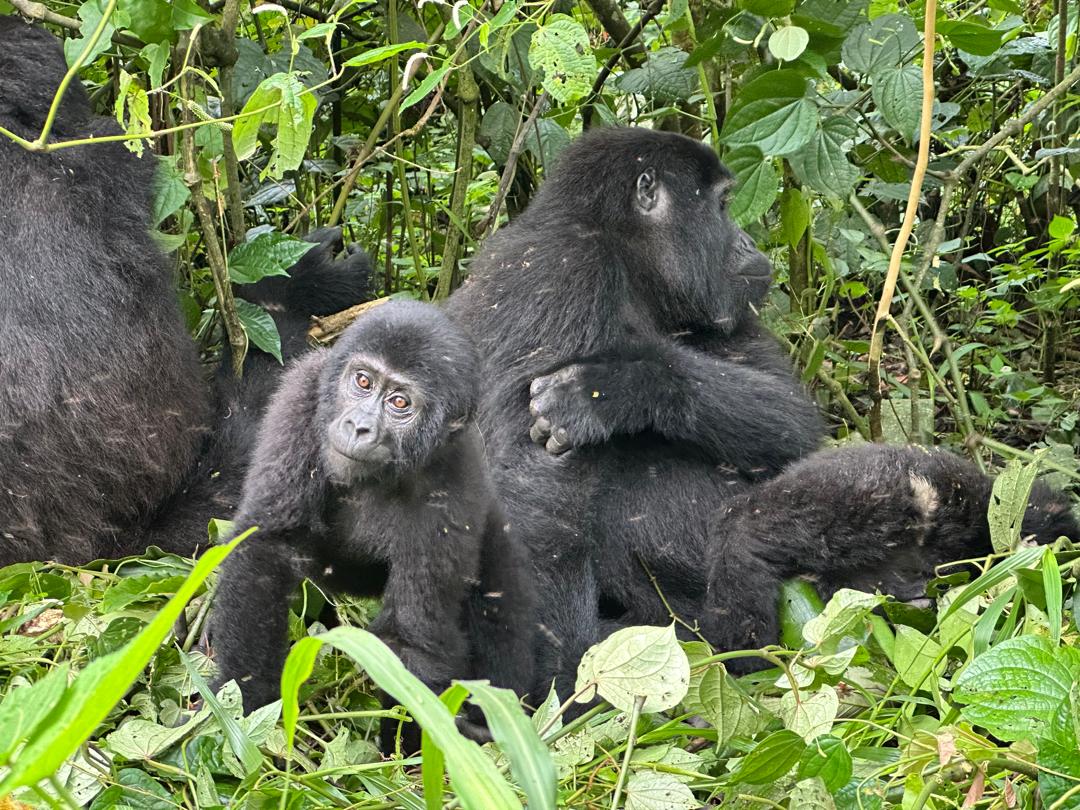
The Gorilla Habituation Experience: Is $1,500 Worth It?
Here’s where it gets interesting. The gorilla habituation experience isn’t just a longer version of the standard trek, it’s a completely different kind of encounter.
First, you’re limited to 4 visitors per day instead of 8, which already makes it more intimate. Second, you’re working with a semi-habituated family in the Rushaga sector, the only place in Bwindi where habituation currently happens. These gorillas are still adjusting to humans, which means they might be shyer, more unpredictable, or occasionally more curious about you than fully habituated groups.
Your four hours allow you to see behaviors you’d miss in a standard trek. You’ll watch morning routines, feeding patterns, social dynamics, and interactions that only emerge when you’re patient enough to sit quietly and wait. You’re also participating in real conservation work, trackers might ask you to help identify individuals, note behaviors, or observe health markers.
The trade-off? These gorillas might charge more often (they’re still testing boundaries), they might move farther into dense vegetation (making photography harder), and your guides are senior researchers and primatologists, not just park rangers. You’re getting a behind-the-scenes look at how gorilla families become comfortable with humans over time.
One traveler who did both experiences told us the habituation was worth the premium because the extra time allowed for genuine connection, especially when tracking was relatively easy and the family stayed accessible.
Why Rushaga Sector Matters for Your Uganda Safari
If you’re considering the gorilla habituation experience, you need to know about Rushaga. It’s the only sector in Bwindi where habituation is currently offered, which makes location planning crucial.
Rushaga is in the southern part of Bwindi and is home to multiple gorilla families, making it one of the most active sectors in the park. It’s also where researchers are working to habituate new groups, which is why your habituation experience happens here.
Here’s the practical detail that matters: Orugano Bwindi Lodge is only a 40-minute drive from Rushaga sector. That means you can base yourself at our lodge, enjoy the eco-luxury experience we’re known for, and still get to the Rushaga trailhead early enough for your habituation trek without a brutal 5 a.m. wake-up call. In other words, if you’re weighing Standard Gorilla Trek vs Habituation, your base in Nkuringo can make the whole plan feel effortless.
For standard treks, you have more flexibility, you can trek from Nkuringo (a 10-minute walk from our lodge), Rushaga, or even arrange transfers to Buhoma or Ruhija if you want to experience a different sector.
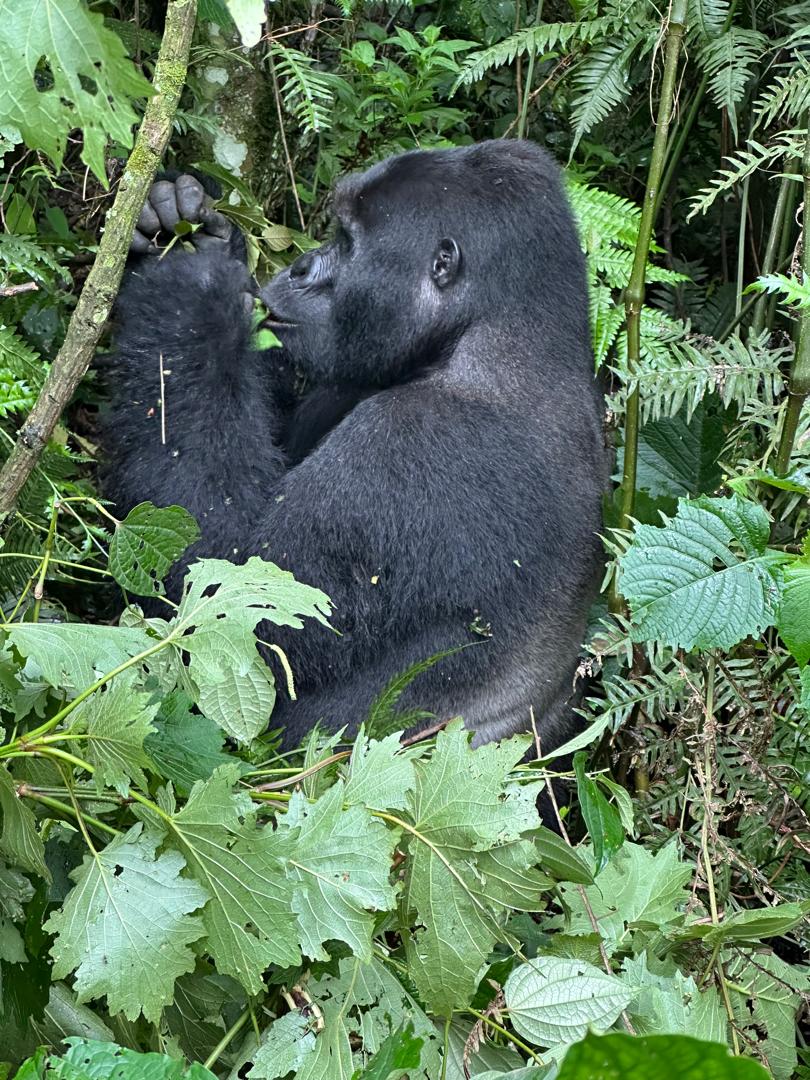
Photography and Gorilla Behavior: What to Expect
If you’re a photographer, this matters. Standard treks offer easier shooting conditions because the gorillas are fully habituated. They’ll ignore you, which means you can capture natural behaviors without them constantly looking at the camera or moving away. The families are predictable, and rangers know where they’ll likely be, which can reduce your hiking time.
Habituation experiences are trickier. The gorillas might be shyer, they might spend more time in dense vegetation, and they might move more frequently. But the upside? You get four hours to work with changing light conditions, and you’ll capture behaviors, like early morning routines or extended family interactions, that standard trekkers rarely see.
Bring a camera with good low-light performance either way. Bwindi’s forest canopy blocks a lot of sunlight, and gorillas don’t care about your ISO settings.
Who Should Choose Which Experience? (Standard Gorilla Trek vs Habituation)
Let’s make this practical. Choose the standard gorilla trek if:
- You’re on a tighter budget and $700 is a meaningful difference
- You want more sector options (17 families vs. 1 habituation group)
- You prefer predictable, well-habituated gorillas for easier photography
- One hour feels like enough time for your first gorilla encounter
- You’re combining your trek with other Uganda activities and want to keep costs down
Choose the gorilla habituation experience if:
- You’re genuinely interested in conservation and research processes
- You want a more intimate experience (4 people vs. 8)
- Four hours in the forest sounds better than one hour
- You’re okay with potentially shyer, less predictable gorillas
- You’re comfortable with the $1,500 investment
- You’ve already done a standard trek and want something deeper
There’s no wrong answer here. Both experiences are legitimate once-in-a-lifetime encounters. It’s just about matching the experience to your interests, budget, and travel style — and that’s exactly what this Standard Gorilla Trek vs Habituation decision comes down to.
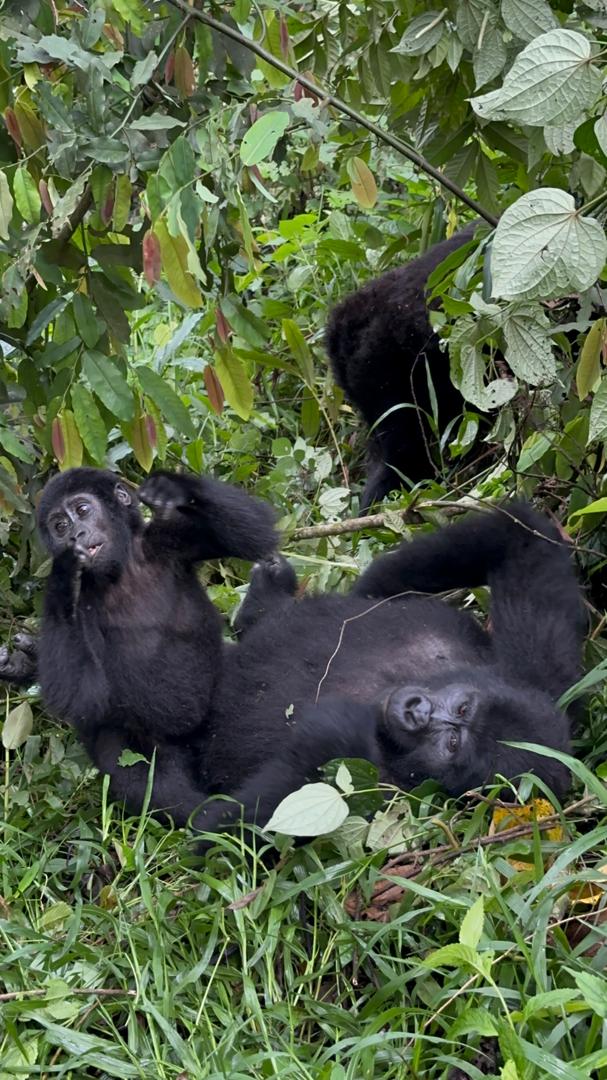
Where to Stay: The Orugano Bwindi Lodge Advantage
After a full day in the forest, whether it’s one hour or four, you’re going to want a place that balances comfort with the eco-conscious vibe that brought you to Bwindi in the first place.
That’s where Orugano Bwindi Lodge comes in. We’re a 10-minute walk from the Nkuringo trailhead and just 40 minutes from Rushaga sector, making us an ideal base for both standard treks and the gorilla habituation experience. You won’t waste half your day driving to the park entrance.
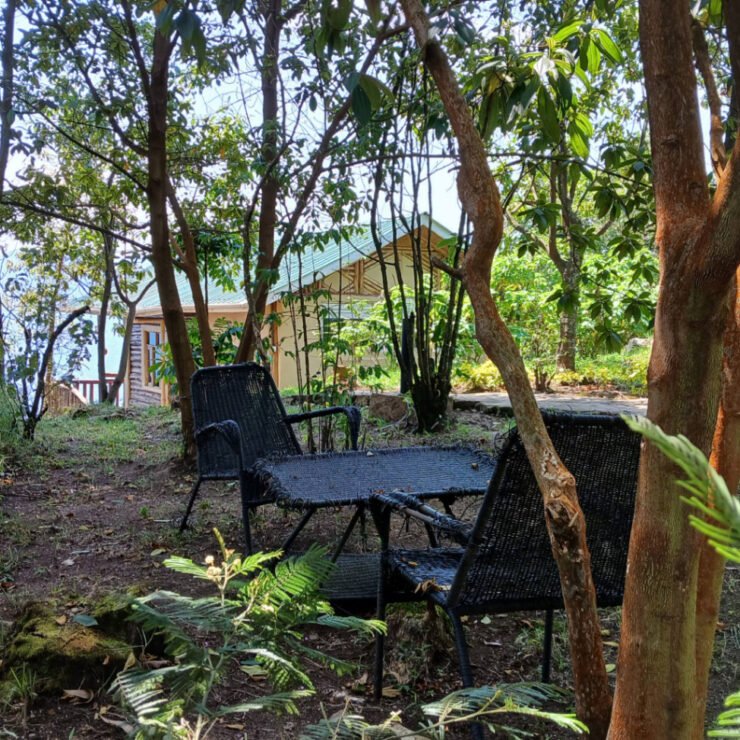
Our eco-luxury rooms are designed to help you unwind after a long trek, think hot showers, comfortable beds, and views that remind you why you came to Uganda. We use sustainable materials, support local communities, and operate in a way that respects the forest and its residents (both human and gorilla).
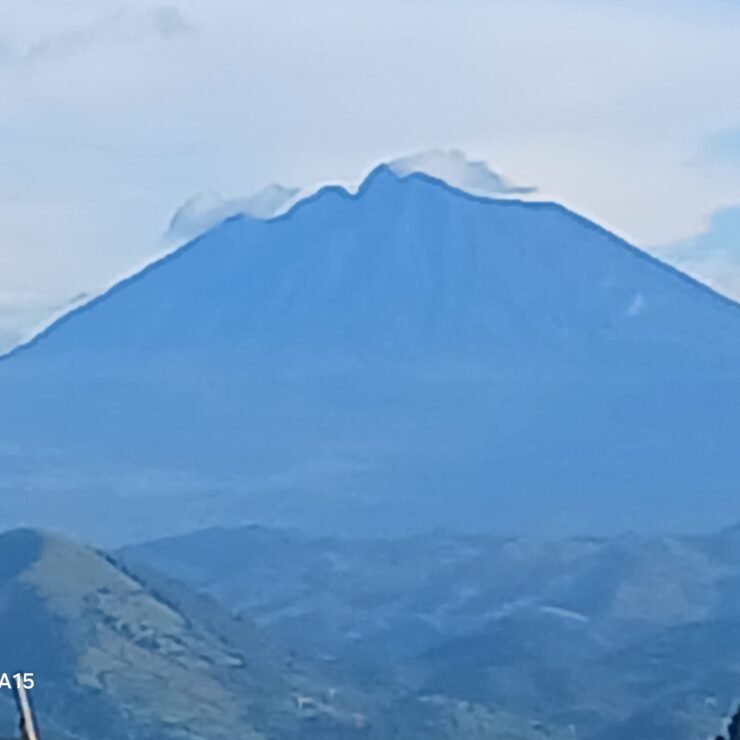
On clear nights, some guests can even see the glow of Congo’s Nyiragongo and Nyamuragira volcanoes from the lodge, a subtle reminder that you’re in one of the most geologically and ecologically fascinating regions on earth.
Learn more about our rooms and book your stay here.
Quick FAQ: Gorilla Habituation Experience vs Standard Trek
Can I do both experiences on the same trip?
Yes, if your budget and schedule allow it. Some travelers do a standard trek first, then upgrade to habituation later in their trip.
Which experience is more physically demanding?
Both can be challenging depending on where the gorillas are that day. Habituation might involve more total hiking time simply because you’re with the gorillas longer, but neither is inherently harder.
Do I need to book permits in advance?
Yes. Standard permits are easier to get, but habituation permits are extremely limited (only 4 per day). Book both as far in advance as possible, especially during peak season (June–September, December–February).
Can children participate?
The minimum age for both experiences is 15 years old.
Ready to Plan Your Uganda Safari?
Whether you choose the gorilla habituation experience or the standard trek, you’re in for something unforgettable. Both options put you face-to-face with mountain gorillas in their natural habitat, support critical conservation work, and give you stories you’ll be telling for years.
If you’re still unsure which experience fits your trip, get in touch with us. We can help you decide based on your timeline, budget, and what you’re hoping to get out of your Uganda safari. And when you’re ready to book, we’ll make sure you’re sorted with permits, transfers, and a comfortable base at Orugano Bwindi Lodge.
Let’s make this happen.