
Batwa Forest Experience
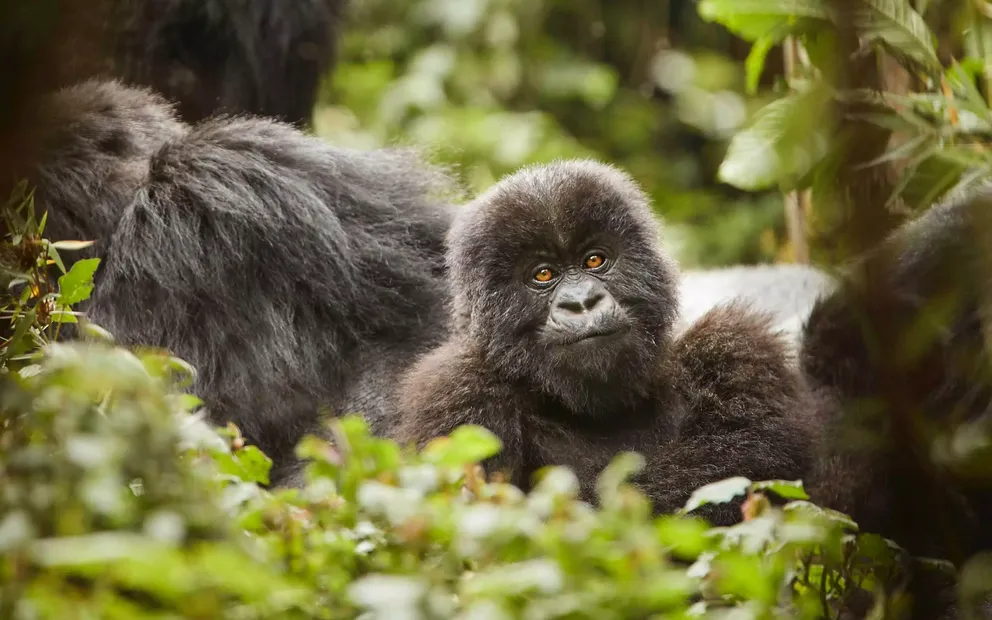
Many people travel to Uganda’s Bwindi Impenetrable Forest to see the rare mountain gorillas in the wild. It is an amazing experience that most people remember for life. But there is something else, just as special, waiting to be discovered near the forest. This is the home of the Batwa, an ancient tribe who once lived deep in the forest.
In Nkuringo not far from Orugano Bwindi Lodge is a small hidden trail called the Buniga Forest Walk. This is more than just a walk — it is a step back in time, guided by the Batwa people themselves. They will show you how they used the forest for everything — food, medicine, shelter, and even their spiritual life. Walking with them is not just interesting, it is also meaningful. It is a chance to learn about their culture and help protect it as it struggles to survive in today’s world.
Trail Duration
Cultural Highlights
Cost
Who Are the Batwa People?
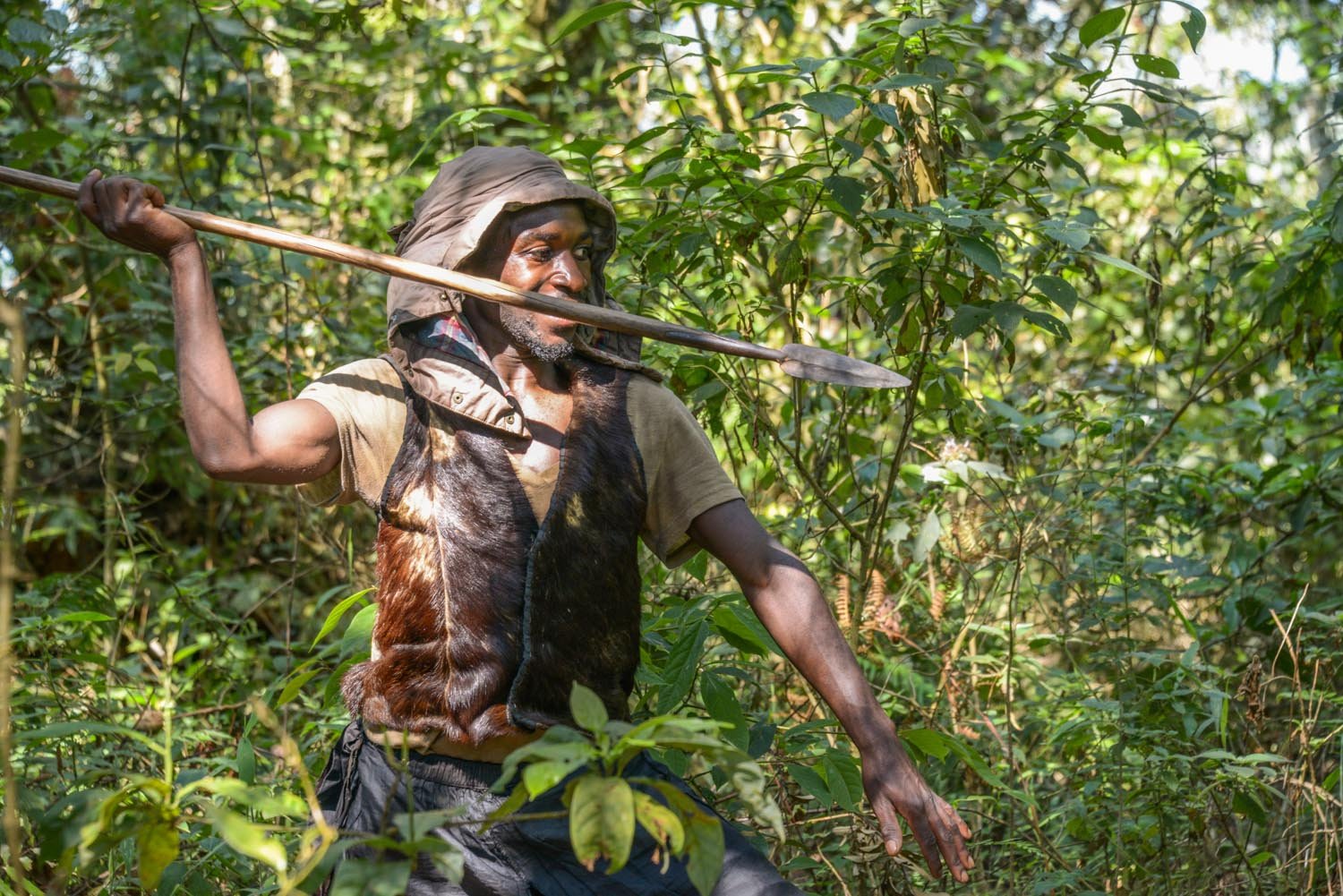
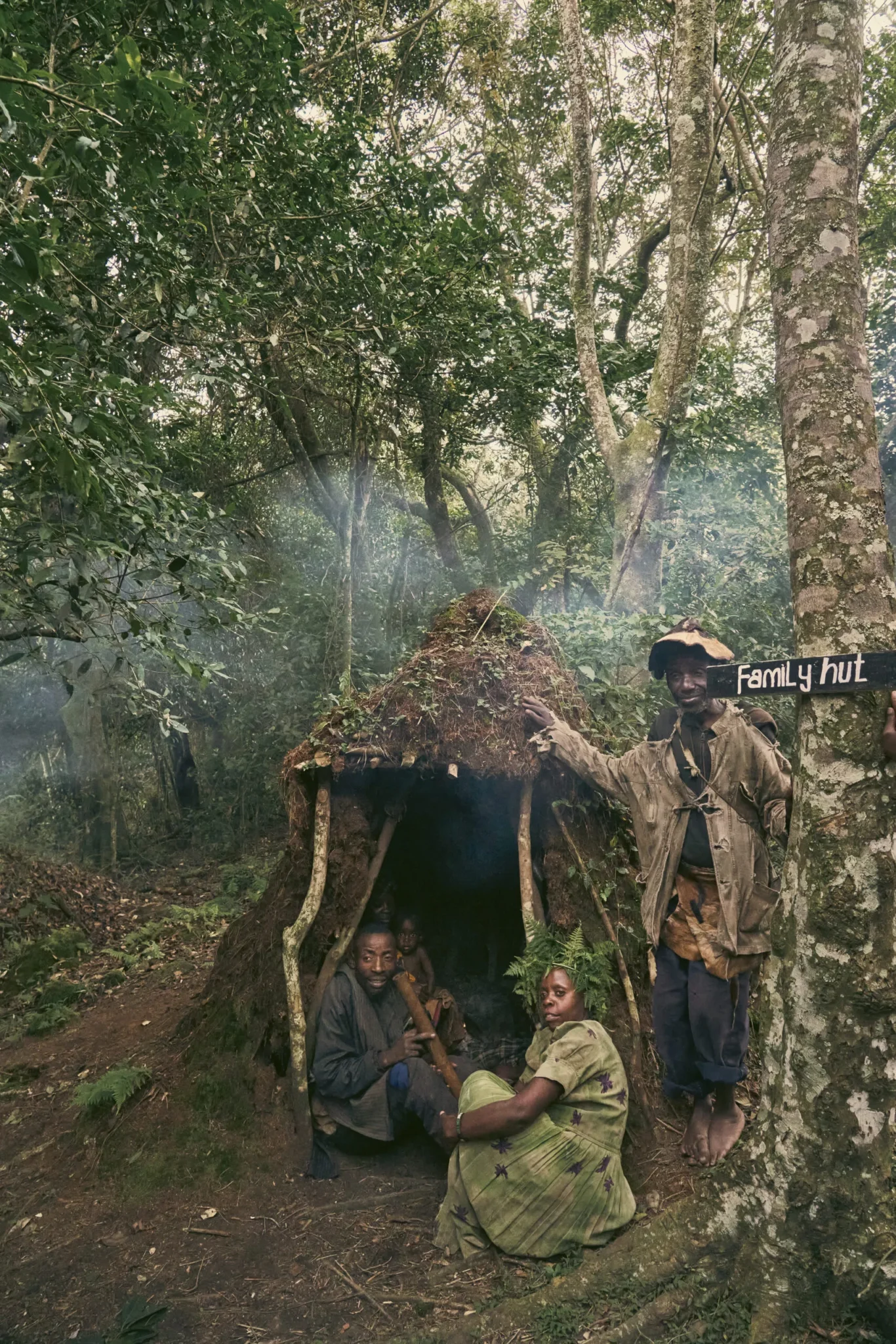
The Batwa, called the “Keepers of the Forests,” are one of Africa’s oldest tribes. For thousands of years, they lived in the forests of western Uganda as hunter-gatherers. Men hunted animals, women collected honey, berries, and roots, and they used plants for medicine. Their homes were made from grass and sticks, and their clothes from animal skins. Everything they needed came from the forest.
In 1991, when Bwindi Forest became a national park, the Batwa were removed from the forest. They were not given land or help. Suddenly, they had no home, no land, and no way to survive. Life outside the forest was very hard because they had never lived anywhere else. Many Batwa became poor and were forgotten. Some were even treated badly in early tourism, where people did not respect their culture. Today, things are slowly improving. Through respectful tourism, the Batwa can share their knowledge about the forest, earn money, and keep their culture alive. Even though life is hard, they are finding new ways to survive and stay connected to the forest they love.
Walking the Buniga Forest Trail
One of the best ways to understand the Batwa is by walking with them through Buniga Forest. Your guides are Batwa themselves. As you move through the lush green forest, they share their stories and show how they once lived in harmony with nature. Your Batwa guide will demonstrate how they hunted and trapped animals, gathered food, and found clean water.
You will see how they made medicine from plants, lit fires without matches, and built shelters to survive harsh weather. Along the way, you’ll hear traditional songs, watch dances, and listen to stories passed down through generations. You may even taste forest foods and see how meals were cooked using only natural tools. Every step brings you closer to a way of life that is simple, wise, and deeply connected to nature. For the Batwa, this walk is not just a tour—it is a chance to keep their traditions alive and show the world that the forest is more than trees; it is a living home full of meaning.
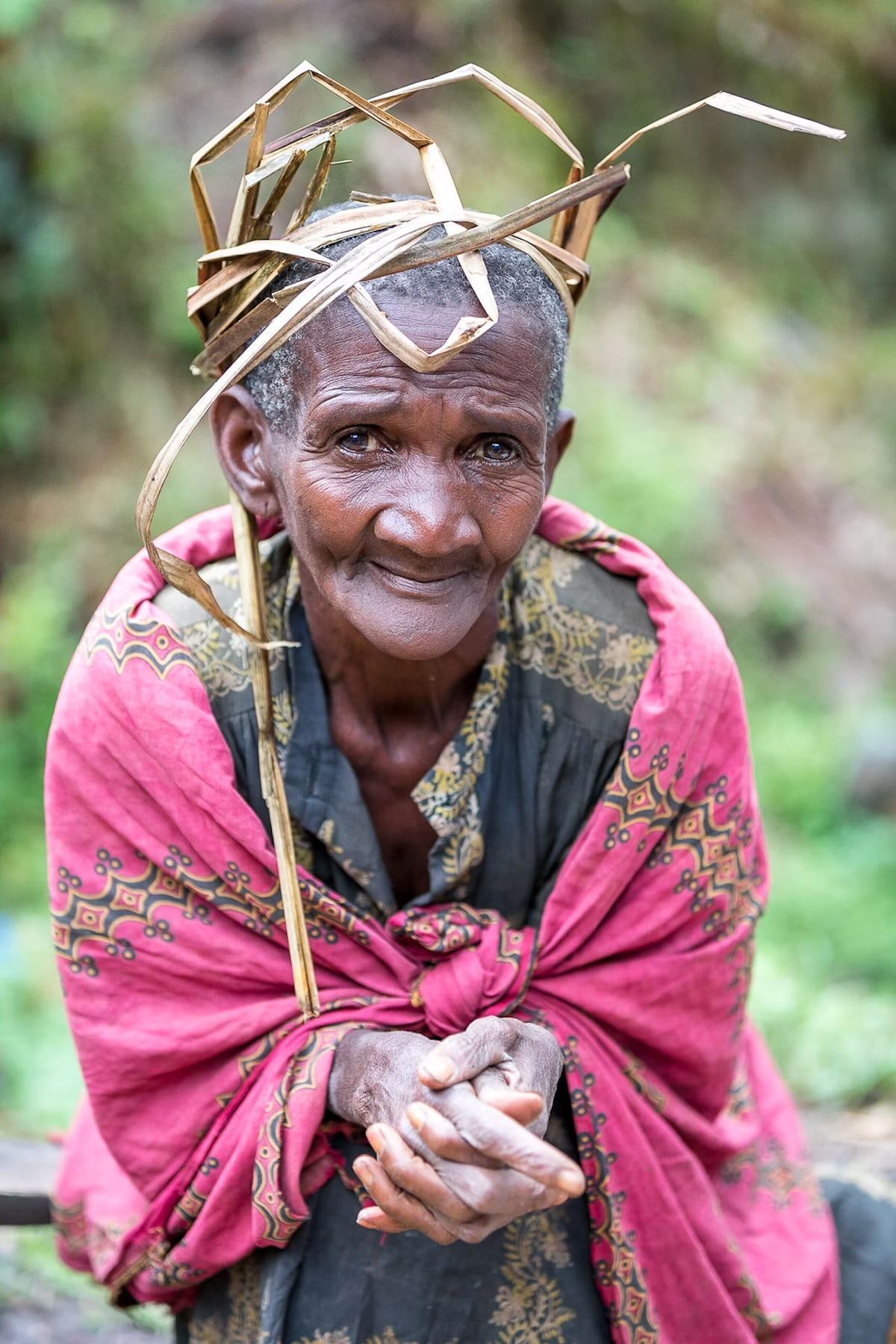
Visiting the Batwa Settlement in Sanuriiro
After the forest walk, you can visit Sanuriiro, a nearby Batwa settlement. Some Batwa families now live here. Life is very different from life in the forest. While some Batwa still have no land, the people in Sanuriiro have houses built with help from community programs. Even with new homes, adjusting to life outside the forest is not easy. In Sanuriiro, you can meet the Batwa and talk to them.
You will see how they are trying to rebuild their lives. Women weave traditional baskets from natural fibers and dyes, while children play nearby. Some men are learning modern beekeeping, turning their forest skills of gathering wild honey into a new way to earn a living. This visit is more than just seeing the village. It shows that Batwa culture and knowledge are still important. The same guides who showed you life in the forest will now show you life today, connecting the past with the present and helping hope for a better future.
Why Your Visit Matters
Walking the Buniga Forest Trail costs $25 per person. It is affordable, but its impact is huge. Seventy percent of the fee goes directly to the Nkuringo Community Conservation and Development Foundation (NCCDF). They use the money to support Batwa education, health care, clean water, and cultural programs. The remaining 30% goes to the Kisoro local government. By walking with the Batwa, you are helping in many ways. You are giving them jobs and helping their children learn about their roots. You are showing that their culture and identity matter. You are also helping protect the forest, proving that people and nature can live together with respect. Your visit helps change the story. In the past, the Batwa were pushed aside. Today, they are becoming teachers and leaders, sharing their wisdom and keeping their traditions alive. Your support helps them continue this journey.